Introduction
The RMS Titanic, once the largest and most luxurious ship in the world, has captivated the global imagination since its tragic sinking in 1912. The importance of this event transcends mere historical fact; it represents not only a monumental maritime disaster but also serves as a cautionary tale about human fallibility, technological hubris, and the nature of tragedy itself. With ongoing interest in its story fueled by films and documentaries, understanding the Titanic’s legacy remains relevant to today’s conversations about safety, adventure, and innovation.
A Brief Overview of the Titanic
Built by Harland & Wolff at a cost of roughly $7.5 million, the Titanic made its maiden voyage on April 10, 1912, from Southampton to New York City. The ship was touted as “unsinkable” due to advanced safety features, including watertight compartments. With a capacity for over 2,200 passengers and crew members, it was a marvel of its time, boasting luxury amenities that had never been seen before on ocean liners.
The Fateful Night
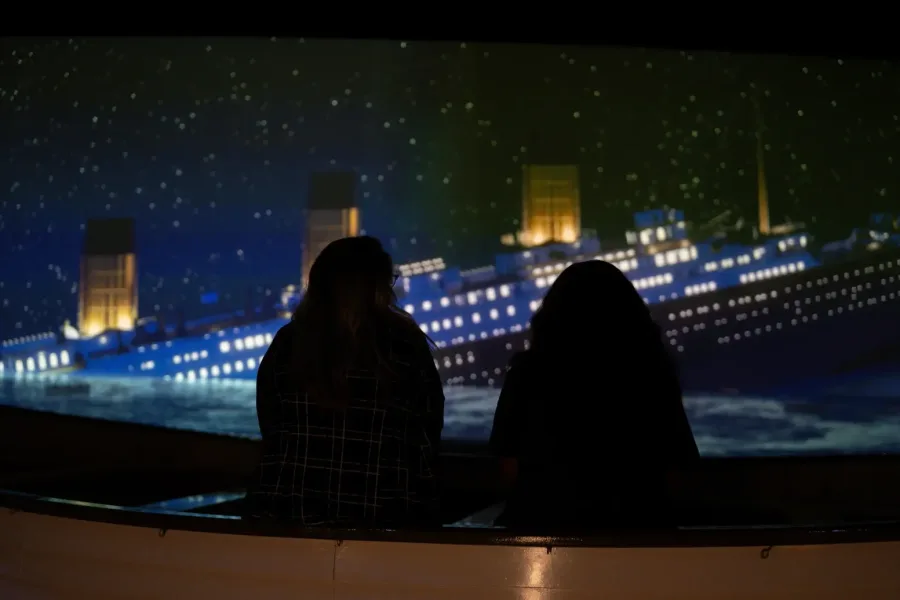
On the night of April 14, 1912, just four days into its maiden voyage, the Titanic struck an iceberg at approximately 11:40 PM. Within two hours, the ship sank into the icy waters of the North Atlantic, claiming over 1,500 lives. The inadequate number of lifeboats, a lack of emergency preparedness, and the rushed perception that the ship was indestructible contributed to the high casualty rate. This tragic event led to significant changes in maritime law, including improved safety measures and stricter regulations regarding lifeboat capacity.
Legacy and Lessons Learned
The Titanic’s story is enduring, highlighted by numerous books, movies, and documentaries that keep the memory alive. The legacy extends beyond its tragic sinking; it sparked investigations into maritime safety protocols, leading to the International Convention for the Safety of Life at Sea in 1914. The Titanic’s wreck, discovered in 1985, has since become a site of archaeological interest, prompting ongoing debates about preservation and the ethics of exploration.
Conclusion
Today, the Titanic stands as both a symbol of the era’s technological ambition and a reminder of the potential consequences of human error. As we reflect on the past and the lessons it offers, the story of the Titanic encourages continued advancements in safety and fosters an appreciation for the fragility of life. As we move toward future innovations in the maritime industry, the Titanic will forever echo in our collective consciousness, a poignant reminder of both human achievement and the need for caution.