Introduction
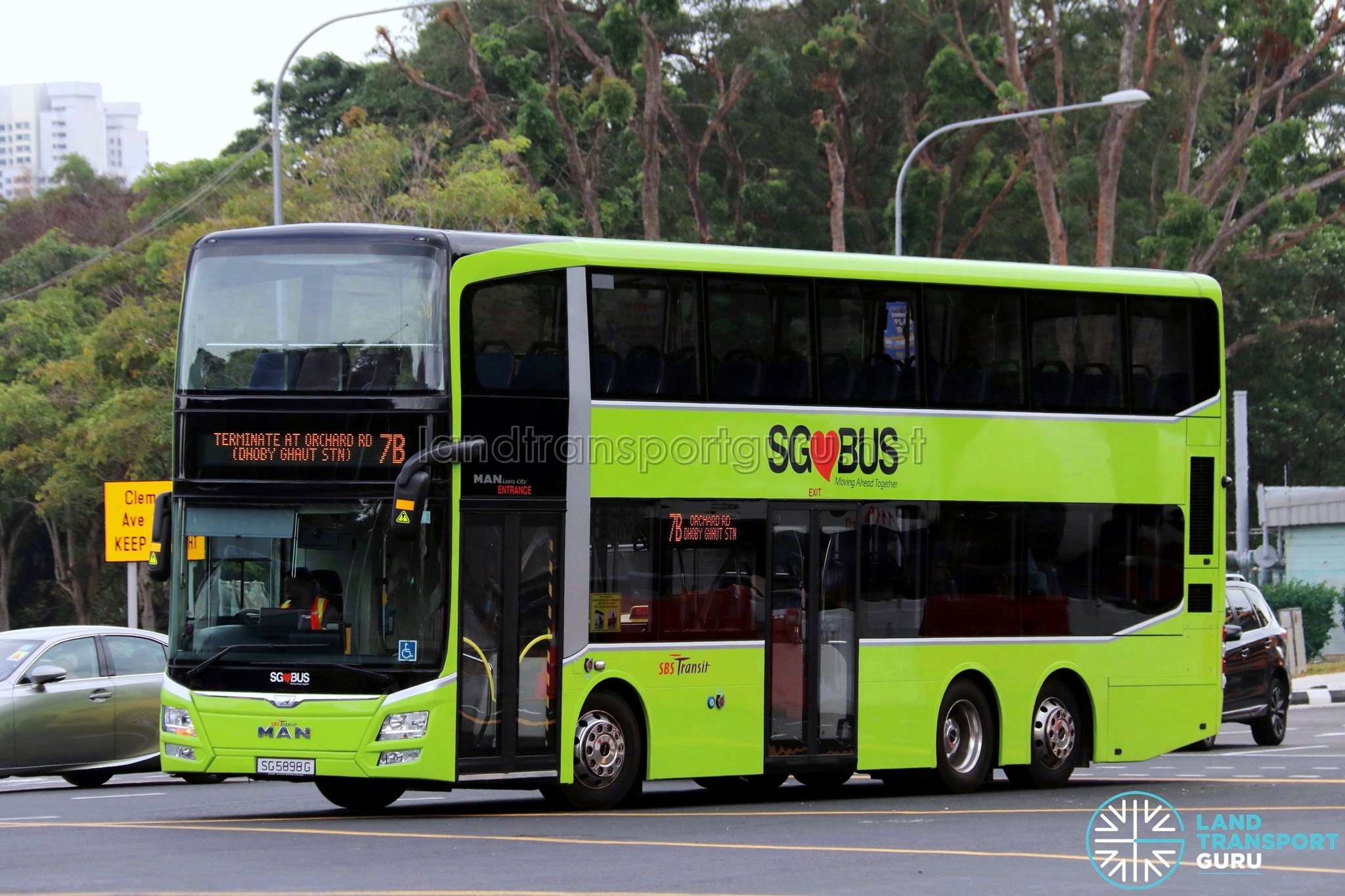
Public bus transportation plays a crucial role in the mobility landscape of urban areas. As cities grapple with traffic congestion, pollution, and the demand for efficient public transport systems, buses remain a core component of sustainable urban mobility. Understanding the significance of bus systems is essential for enhancing urban planning and creating environmentally friendly transportation solutions.
The Role of Buses in Urban Mobility
According to the American Public Transportation Association (APTA), buses account for approximately 4.9 billion trips taken each year in the U.S. alone. This highlights their importance as a low-cost travel option for residents, especially in densely populated areas. Buses are more than just a transportation mode; they offer accessibility to education, employment, and essential services, especially for low-income communities.
Recent Developments
In the aftermath of the COVID-19 pandemic, public transportation systems, including buses, experienced significant disruptions. Many transit agencies had to adapt to new health guidelines, which led to the implementation of rigorous cleaning protocols and reduced passenger limits. However, as cities aim for recovery, several transit authorities are investing in modernizing their bus fleets with electric and hybrid models to reduce greenhouse gas emissions. For instance, Los Angeles Metro has committed to transitioning its entire fleet to 100% zero-emission buses by 2030.
Challenges and Solutions
Despite the benefits, public bus systems face various challenges, including funding shortages, insufficient infrastructure, and competition from rideshare services. Cities like Seattle are addressing these issues by increasing funding for bus priority projects and expanding service routes to accommodate the growing population. Moreover, technology plays a pivotal role; real-time tracking systems have improved the efficiency of buses, making them a more attractive option for commuters.
Conclusion
Public bus transportation is indispensable in promoting sustainable urban development and enhancing the quality of life for city dwellers. As cities continue to focus on greener transportation technologies and more efficient transit systems, buses will remain at the forefront of redefining public transit. Initiatives to invest in bus infrastructure, ensuring equitable access for all citizens, will shape the future of urban mobility.