Introduction
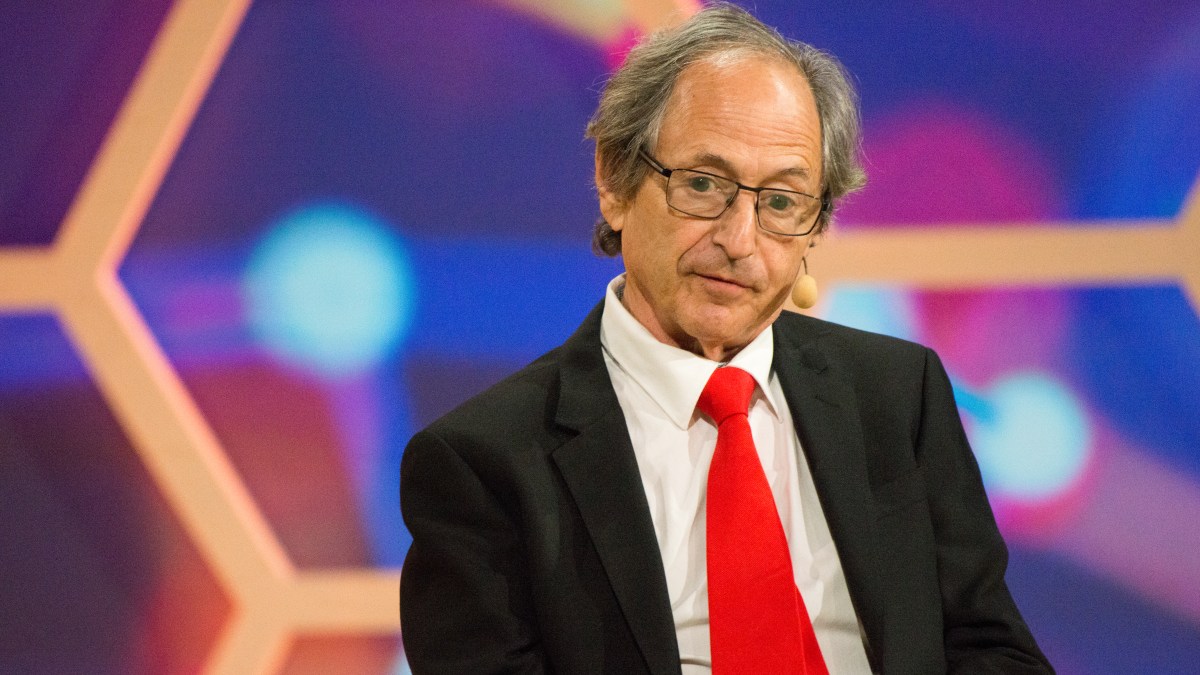
Michael Levitt, a British-American biophysicist and Nobel Prize winner in Chemistry, has made significant contributions to the field of theoretical chemistry. His work has not only advanced academic understanding but has also had practical applications in pharmaceuticals and biochemistry. As we witness ongoing developments in scientific research, Levitt’s insights and methodologies continue to influence how we approach complex biological systems.
Background and Achievements
Born on May 9, 1947, in Pretoria, South Africa, Levitt pursued his education in chemistry and physics, eventually earning his PhD from the University of Cambridge in 1970. He is best known for his development of multiscale models for complex chemical systems in the 1970s. In 2013, Levitt was honored with the Nobel Prize in Chemistry alongside Arieh Warshel and Martin Karplus for their work on the development of multiscale models for complex chemical systems. They pioneered a methodology that allowed for simulations of chemical reactions, significantly changing the landscape of computational chemistry.
Current Research and Impact
As of 2023, Levitt continues to be actively involved in research at Stanford University, where he focuses on biophysical chemistry and molecular modeling. He has published numerous papers that enhance our understanding of protein structure and dynamics, which are crucial for drug design and discovery. His recent work addresses global issues such as the COVID-19 pandemic, wherein he has been involved in modeling the virus’s spike protein to facilitate the development of vaccines and therapeutics.
Conclusion
Michael Levitt’s contributions to science exemplify the importance of interdisciplinary research. His pioneering work in theoretical chemistry not only earned him international recognition but also has paved the way for advancements in drug discovery and molecular dynamics simulations. As the scientific community continues to explore the intricate biology of diseases, Levitt’s innovative approaches and ongoing research efforts are likely to result in further significant breakthroughs. Readers can look forward to his future contributions as he inspires the next generation of scientists to tackle global challenges through science.