Introduction
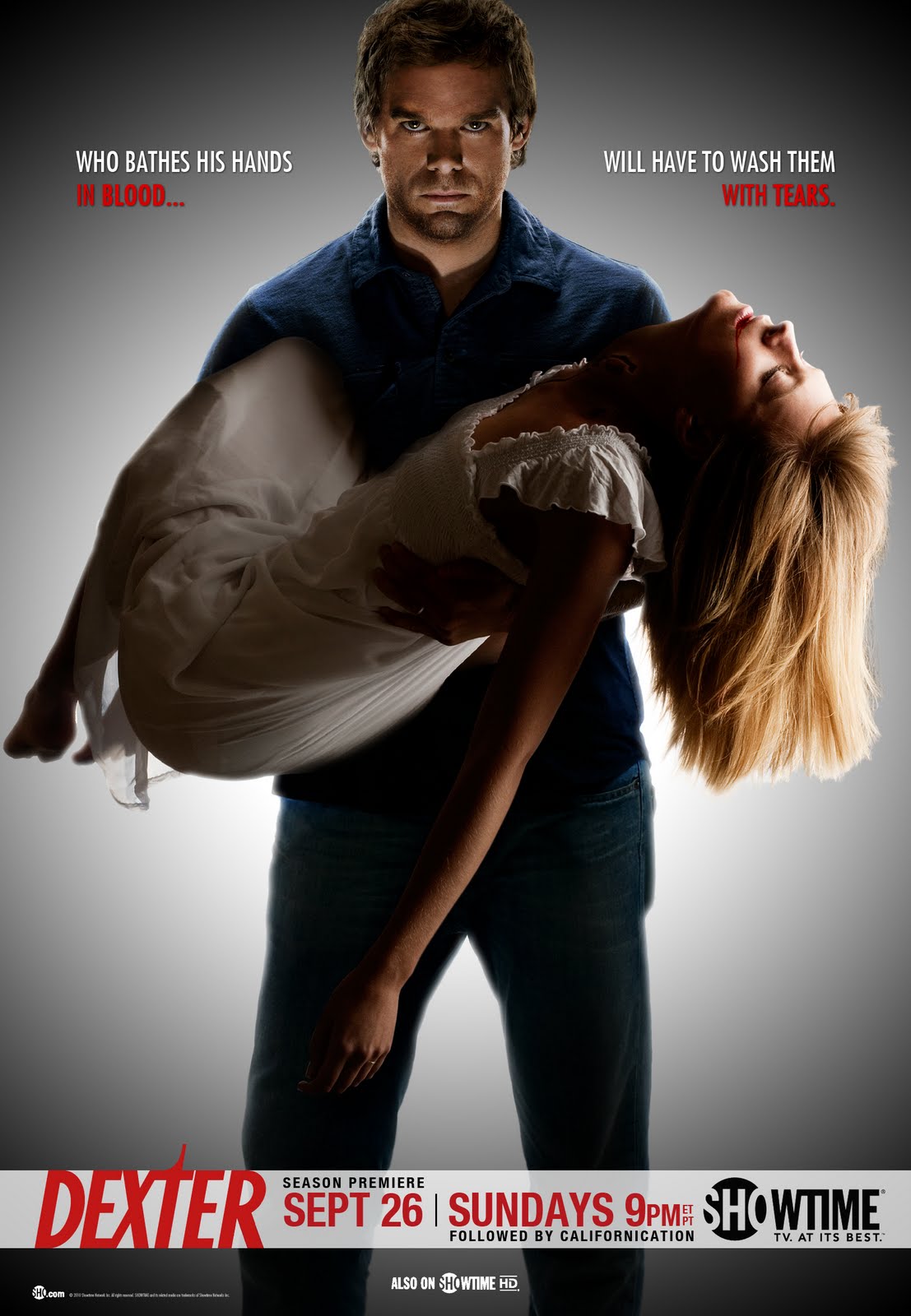
The television series ‘Dexter’, which originally premiered on Showtime in 2006, has left an indelible mark on both the crime drama genre and pop culture as a whole. The story of a blood-spatter analyst by day who transforms into a vigilante serial killer by night has captivated audiences and ignited discussions about morality, justice, and the complexities of human nature. As the series has evolved with a revival in ‘Dexter: New Blood’, its relevance continues to resonate deeply in today’s media environment.
The Impact of Dexter
Dexter Morgan, portrayed by Michael C. Hall, stepped into the television limelight as an antihero who operates outside societal norms. The show’s unique premise sparked significant conversation regarding the portrayal of psychopaths in media, framed within a narrative that often justified Dexter’s actions under a morally ambiguous lens. The blend of thrilling storytelling with psychological depth made the series a subject of both entertainment and critique.
Following its initial run, ‘Dexter’ became a cultural phenomenon, leading to numerous spin-offs, merchandise, and a loyal fanbase. The series’ original conclusion in 2013 was met with mixed reviews, prompting showrunners to revisit the story with ‘Dexter: New Blood’, which debuted in late 2021. This revival not only reignited interest in Dexter’s story but also allowed for a more nuanced look at character development and consequences.
Current Developments in the Dexter Franchise
In recent months, the fanbase has remained active, with discussions surrounding potential future projects related to the franchise. The success of the revival has prompted speculation about further spin-offs that explore secondary characters such as Dexter’s sister, Deborah Morgan, or the origins of the infamous Trinity Killer. The franchise’s enduring popularity showcases a powerful connection with audiences, exemplifying how stories can evolve and adapt to contemporary themes.
Conclusion
The trajectory of ‘Dexter’ illustrates the dynamic relationship between media and its audience, and its exploration of complex moral questions continues to resonate. As discussions on potential future productions linger, one thing remains clear: the legacy of Dexter is far from over. For fans and new viewers alike, the series serves as a compelling exploration of the darker aspects of humanity, drawing both entertainment and reflection from its unique narrative. The ongoing interest signifies that Dexter’s story may yet have more to reveal about our own understandings of justice and morality in a modern context.