Introduction
Printed Circuit Boards (PCBs) are an integral part of modern electronic devices, playing a crucial role in connecting electrical components. Their importance cannot be overstated, as they serve as the backbone of virtually all electronic products, from smartphones to advanced medical equipment. Understanding PCBs is essential for both consumers and manufacturers, highlighting the ongoing advancements and practices that affect their quality and sustainability.
The Basics of PCBs
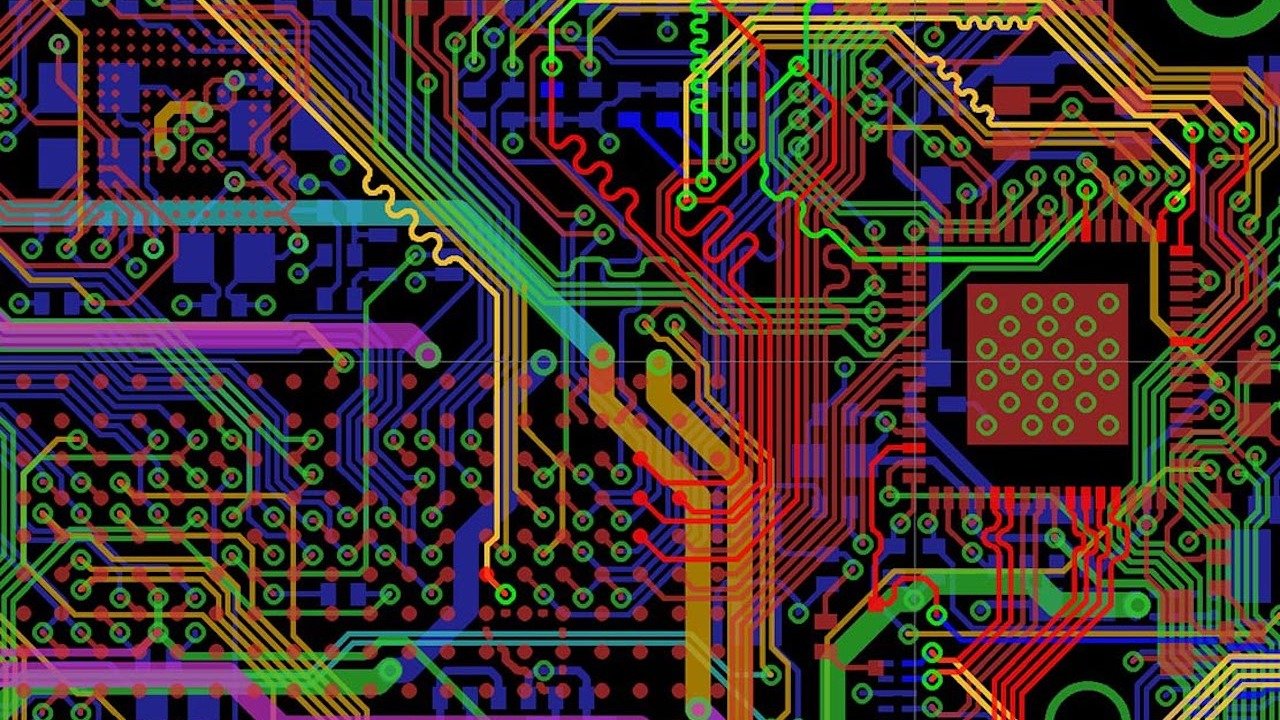
PCBs are made from a non-conductive substrate that is laminated onto layers of conductive material. The intricate designs enable the mounting of various components such as capacitors, resistors, and integrated circuits. This assembly process has evolved significantly over the years, with innovations in materials and manufacturing processes allowing for smaller and more complex circuit designs.
Current Trends in PCB Manufacturing
As the demand for electronics continues to grow, so does the need for innovative PCB solutions. Recent trends include:
- Miniaturization: With the rising popularity of compact devices, manufacturers are pushing the limits of PCB size without compromising functionality.
- Green Manufacturing: Environmental concerns are steering the PCB industry towards eco-friendly materials and processes. Biodegradable substrates and lead-free soldering processes have become more common.
- Flex and Rigid-Flex Designs: These PCBs provide greater flexibility for design and assembly, allowing for applications in wearable technology and other compact devices.
Applications of PCBs
PCBs have a wide range of applications across various sectors:
- Consumer Electronics: PCBs are ubiquitous in smartphones, laptops, and other personal devices.
- Medical Devices: Reliable PCBs are critical in life-saving devices, ensuring accuracy and functionality.
- Automotive Industry: Modern vehicles utilize PCBs for everything from entertainment systems to advanced safety features.
Conclusion
As PCBs continue to evolve, an understanding of their significance and technological advancements will become increasingly important for industries and consumers alike. With a continuous push for innovation and sustainability, the future of PCBs looks promising, influencing the efficiency and effectiveness of electronic devices for years to come. Staying informed about these changes will benefit stakeholders across various sectors, ensuring they make the most of the opportunities presented by this essential component of modern technology.