Introduction
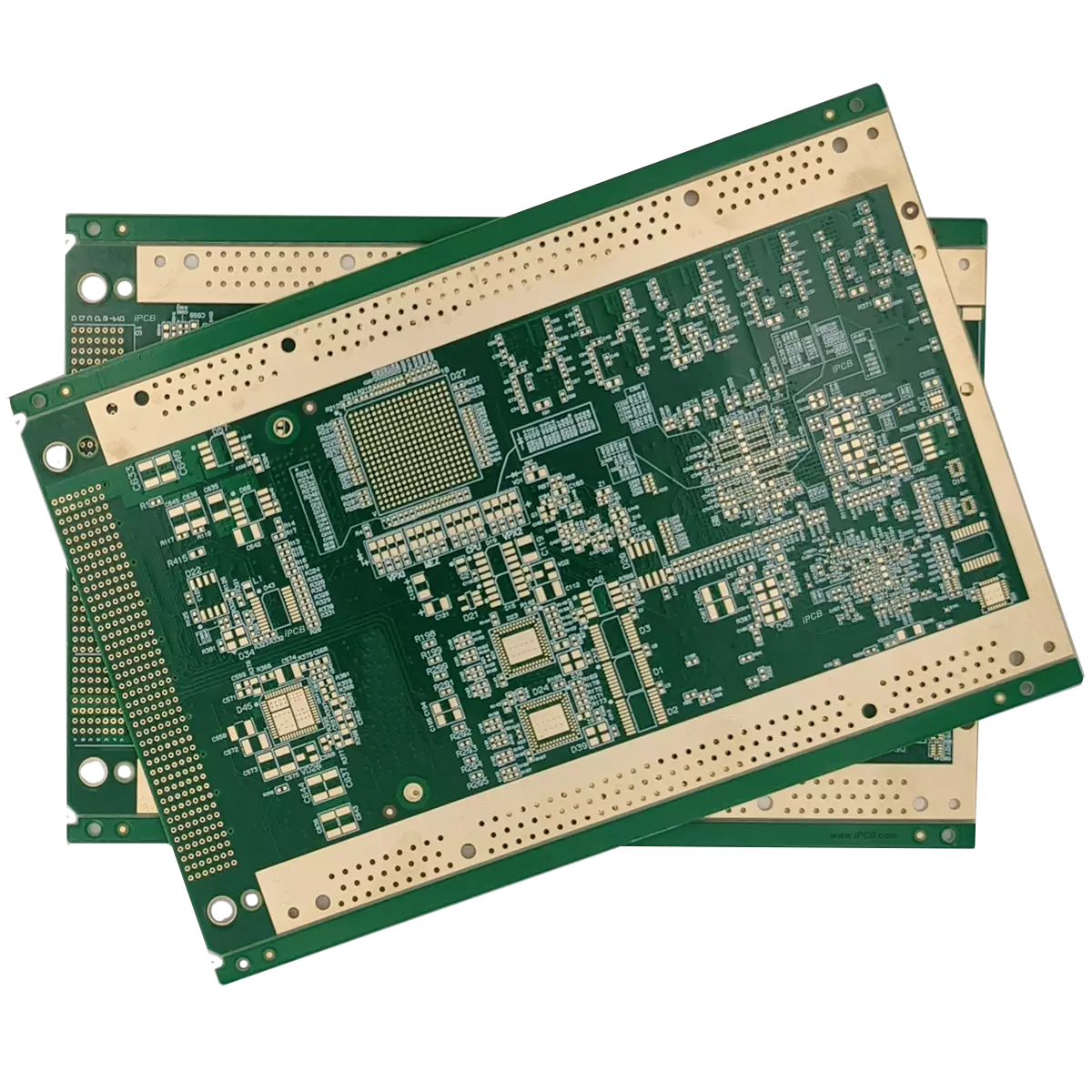
Printed Circuit Boards (PCBs) are essential components in modern electronics, serving as the backbone for virtually all electronic devices we use today, from smartphones to complex industrial machinery. Their importance cannot be overstated, as they provide the necessary electrical connections and mechanical support for electronic components. As the demand for electronics continues to rise, understanding the evolution and impact of PCBs is crucial for industry professionals and consumers alike.
The Role of PCBs in Electronics
PCBs are made from insulating materials with conductive pathways etched or printed onto their surfaces, allowing for the efficient distribution of electrical power and signals between different components. The use of PCBs has significantly reduced the size and complexity of electronic devices while enhancing reliability. According to a report by Fortune Business Insights, the global PCB market is projected to reach $81.93 billion by 2028, growing at a CAGR of 3.8% from 2021, highlighting their increasing importance in manufacturing and technology.
Recent Developments
In recent years, the PCB industry has witnessed several technological advancements. Manufacturers are now employing a variety of materials to improve the performance and durability of PCBs, including flexible and rigid-flex structures that enable innovative applications in wearables and IoT devices. Additionally, the rise of electric vehicles (EVs) has created a surge in demand for PCBs tailored to automotive electronics, reflecting a growing trend towards sustainability and efficiency in technology.
Challenges Facing the PCB Industry
Despite their critical role, the PCB industry faces notable challenges, including supply chain disruptions and environmental concerns. The COVID-19 pandemic caused significant delays in production and shipping, affecting the availability of PCBs worldwide. Furthermore, the environmental impact of PCB manufacturing and disposal has prompted calls for greener production processes, with a growing emphasis on recyclable materials and waste reduction initiatives.
Conclusion
PCBs will continue to play a vital role in the evolution of technology as the electronics sector expands. Their adaptability and ability to support new innovations ensure that they remain integral to the design and function of electronic devices. As manufacturers adapt to challenges and embrace new technologies, the demand for high-quality PCBs is set to rise, making a profound impact on various industries, from consumer electronics to automotive and beyond. Understanding these trends and developments is essential for stakeholders looking to navigate the future of the electronics industry.