Introduction
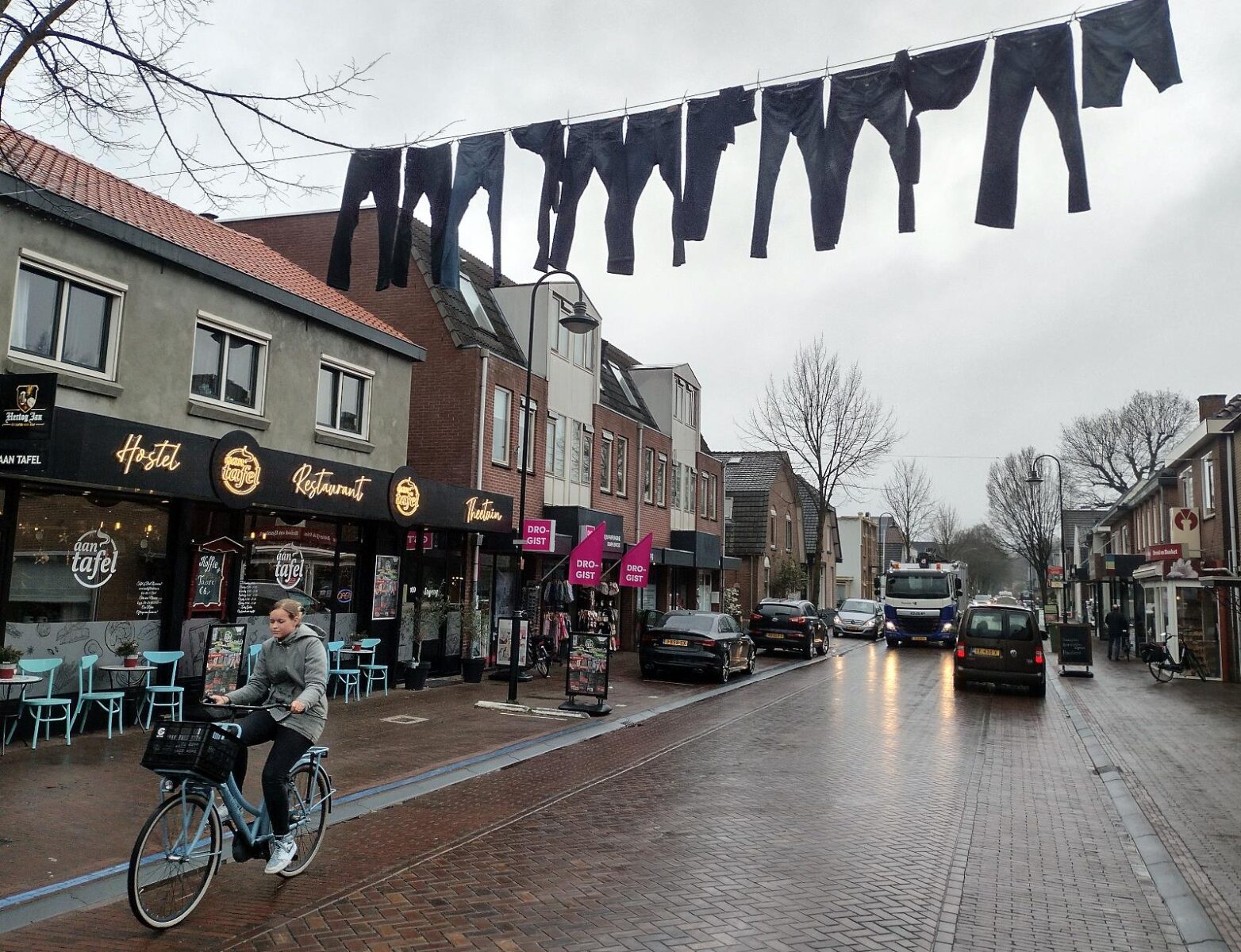
The Netherlands, a country known for its vibrant culture, progressive policies, and breathtaking landscapes, continues to play a significant role in shaping European politics and global environmental standards. Culturally enriched and economically robust, the Netherlands is a model for modern living, making it a focal point for tourists and expatriates alike.
Cultural Significance
With its rich history dating back to the Dutch Golden Age, the Netherlands boasts impressive contributions to art and science. Renowned artists such as Vincent van Gogh and Rembrandt van Rijn hailed from this region. Additionally, the country is famous for its museums, including the Rijksmuseum and the Van Gogh Museum, attracting millions of visitors each year. Recent reports indicate that cultural tourism in the Netherlands has rebounded strongly post-pandemic, indicating the country’s attractiveness for international travelers.
Economic Landscape
The Dutch economy is characterized by a high level of innovation, with strong sectors in technology, agriculture, and trade. In 2023, the Netherlands ranked as one of the top countries for doing business, according to the World Bank’s Ease of Doing Business Index. The country’s strategic geographical location makes it a preferred logistic hub in Europe, with the Port of Rotterdam being one of the busiest ports worldwide. Companies like Philips and Unilever have their roots in this innovative environment, paving the way for sustainable business practices.
Environmental Commitment
The Netherlands is at the forefront of environmental sustainability, focusing on renewable energy and green technology. The government has set ambitious targets for reducing carbon emissions, aiming for a 49% reduction by 2030. Recent investments in wind and solar energy projects have increased, with the Netherlands planning to rely on 70% renewable energy by 2050. Major initiatives, such as the ‘Green Deal,’ encourage businesses and residents to adopt sustainable practices, contributing to a cleaner environment.
Conclusion
As the world looks towards sustainable development and cultural connectivity, the Netherlands stands out as a leader in both realms. Its rich history, thriving economy, and commitment to the environment make it a significant player on the international stage. Looking ahead, the Netherlands will likely continue to influence global trends while promoting a harmonious balance between culture, economy, and ecological responsibility. For those interested in experiencing a blend of history and modernity, the Netherlands remains an attractive destination full of opportunities.