Introduction
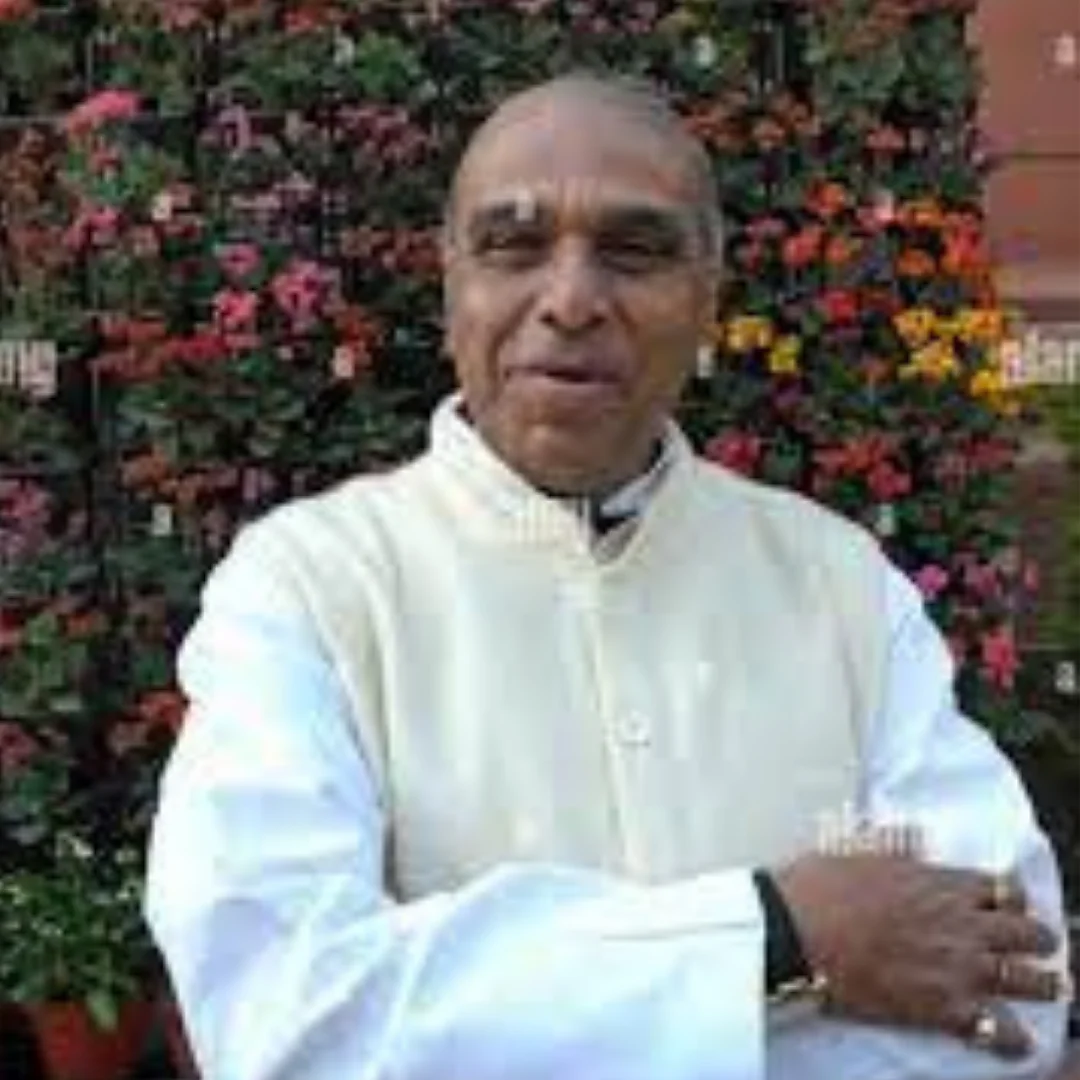
Jagdambika Pal is a notable figure in Indian politics, particularly recognized for his longstanding affiliation with the Bharatiya Janata Party (BJP). His journey through various political roles has made him a significant player in influencing policies and governance in Uttar Pradesh and beyond. Given the current political climate in India, understanding his contributions and ongoing influence is essential for comprehending the dynamics of regional politics.
Political Career and Contributions
Born on December 2, 1956, in the Deoria district of Uttar Pradesh, Jagdambika Pal began his political career in the late 1980s. He was first elected as a member of the Uttar Pradesh Legislative Assembly in 1991. Pal served as the Chief Minister of Uttar Pradesh, albeit for a brief period, in 1998, during a time of political upheaval. Since then, he has been an influential member of the BJP, playing crucial roles in various organizational capacities.
Over the years, Pal has held multiple significant positions, including Minister of State for Home Affairs and Minister for Backward Classes Welfare in the Uttar Pradesh government. His initiatives have often focused on social welfare, with a particular emphasis on uplifting marginalized communities. His dedication to these causes has earned him a loyal following among voters, particularly in his home state.
Recent Developments
In recent months, Jagdambika Pal has remained active in politics, participating in various rallies and party functions. In 2023, he was part of the BJP’s campaign efforts for the upcoming Lok Sabha elections, focusing on issues such as development, employment, and social justice. His speeches have resonated with the electorate, emphasizing a vision for a stronger and more inclusive India.
Moreover, Pal’s ability to navigate shifting political alliances has been noteworthy. He has been instrumental in bringing together party factions to present a united front against opposition parties in Uttar Pradesh, which is pivotal as the state holds significant electoral power. As a seasoned politician, his insights into local issues continue to shape party strategies and voter outreach.
Conclusion
Jagdambika Pal’s role in Indian politics underscores the complexities of leadership and governance at the state level. As the political landscape continues to evolve, his influence and strategies will remain critical in shaping the future of the BJP in Uttar Pradesh. For voters and political analysts alike, monitoring his activities and decisions will provide deeper insights into the undercurrents of regional politics in India. Whether he continues to hold sway in the elections ahead remains to be seen, but his legacy as a committed politician is firmly established.