Introduction
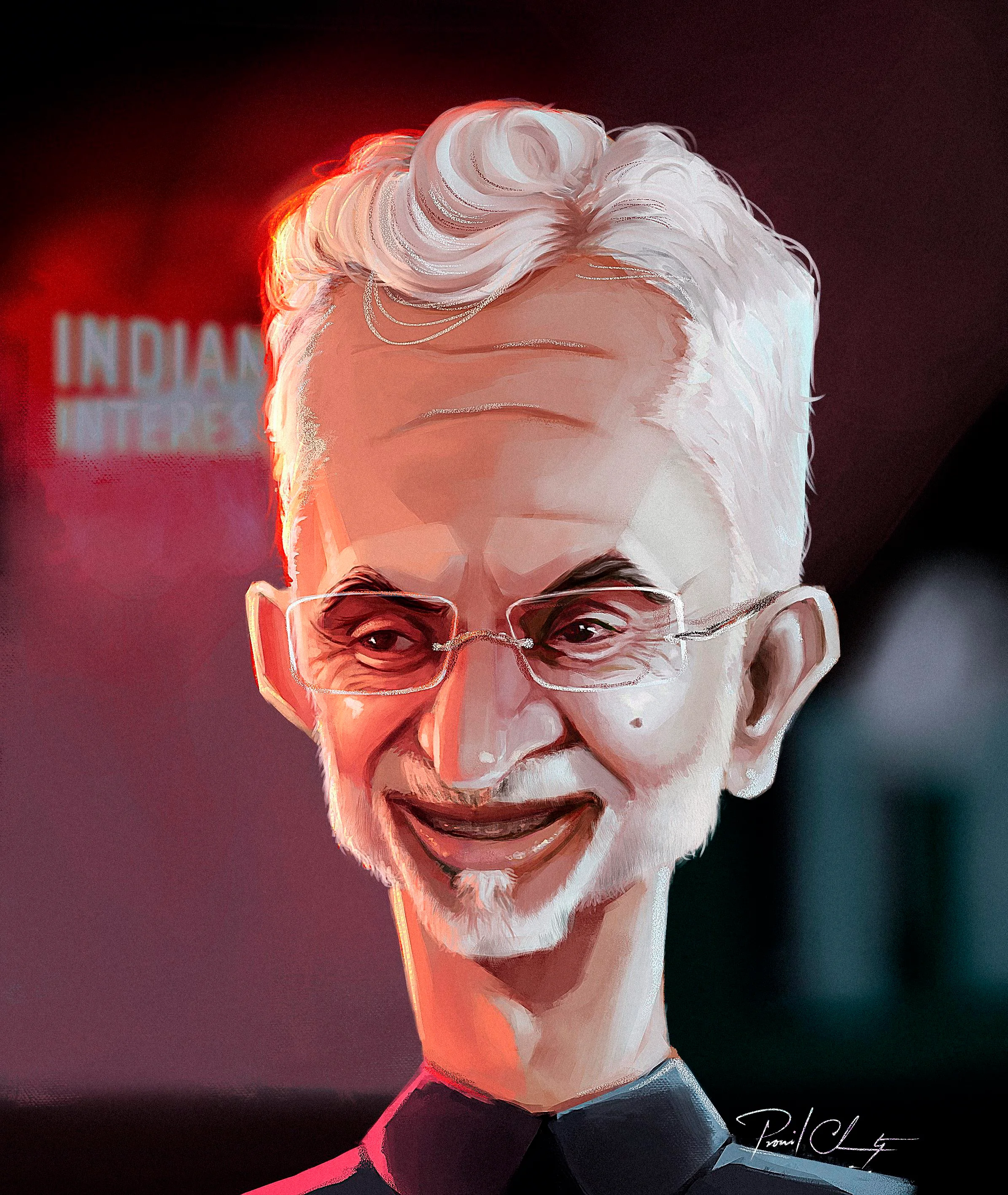
S. Jaishankar, India’s External Affairs Minister, is a prominent figure in shaping the country’s foreign policy. His tenure is particularly significant as India navigates complex international relationships and global challenges. As tensions rise globally, understanding Jaishankar’s role and strategies becomes crucial for grasping India’s position on the world stage.
Career Overview
Before entering politics, Jaishankar served as a career diplomat. He joined the Indian Foreign Service in 1977 and held various key positions, including Secretary (East) in the Ministry of External Affairs and India’s Ambassador to the United States. His extensive experience has equipped him with a deep understanding of international relations, which he brought to his current role since May 2019.
Recent Engagements
In recent months, Jaishankar has been active in addressing various international issues. He participated in the G20 Foreign Ministers’ meeting in New Delhi and played a pivotal role in ensuring that India’s perspective on climate change, sustainable development, and global health was represented. This engagement highlights India’s commitment to global collaboration on pressing issues.
In addition, Jaishankar has prioritized strengthening relations with key allies, such as the United States, Japan, and Australia, through initiatives like the Quad (Quadrilateral Security Dialogue). This strategic partnership is seen as crucial in balancing China’s growing influence in the Indo-Pacific region.
Challenges and Opportunities
However, Jaishankar’s tenure hasn’t been without challenges. Issues such as India’s stance on the Russia-Ukraine conflict and maintaining neutrality while balancing relations with both the West and Russia continue to test his diplomatic skills. His approach remains critical as India seeks to uphold its strategic autonomy while participating in international dialogue.
Conclusion
S. Jaishankar’s role as External Affairs Minister is vital as India seeks to assert itself as a major player on the global stage. His experiences and strategies are shaping India’s foreign policy amidst a rapidly changing geopolitical landscape. As global dynamics evolve, observers will be keen to see how Jaishankar navigates future challenges and what this means for India’s international relationships. The continuing impact of his leadership in foreign affairs positions India as a key geopolitical player, making his actions crucial for both domestic and international audiences.