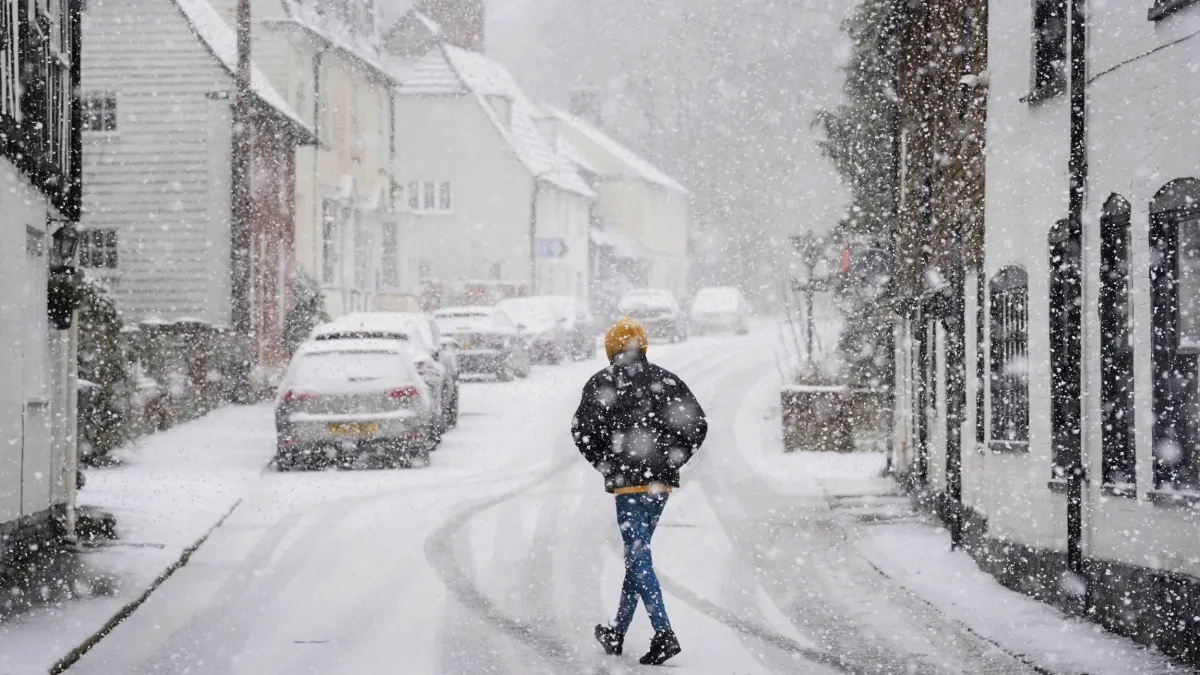
Understanding the Arctic Blast
This week, the United Kingdom is bracing for an Arctic blast that is expected to bring significantly colder temperatures and potential snowfall across various regions. Such weather patterns have become increasingly relevant as they impact daily life, travel, and public safety.
Forecast and Current Conditions
According to the UK Met Office, the Arctic air mass is expected to arrive in the northern regions starting Wednesday, with temperatures plunging to as low as -5 degrees Celsius (23 degrees Fahrenheit) in some areas. Snowfall could accumulate in higher elevations, particularly in Scotland and Northern England, leading to disruptions in both urban and rural settings.
The cold front may also affect public transport, with warnings that delays and cancellations are likely. Road safety is another concern, as icy conditions could pose hazards to drivers and pedestrians alike.
Response from Authorities
Local authorities are advising residents to prepare for adverse weather conditions. This includes ensuring heating systems are functional, stocking up on essentials, and staying informed through weather updates. The government and emergency services are on alert, ready to act if weather conditions intensify or if emergencies arise due to the snow and ice.
Historical Context and Climate Trends
In recent years, the UK has seen fluctuating weather patterns, with more frequent occurrences of extreme weather events. Meteorologists suggest that while brief Arctic blasts are not unusual, their intensity and frequency may be affected by ongoing climate change. Such events are significant in not only challenging seasonal norms but also in prompting discussions about climate preparedness and adaptation strategies.
Conclusion: Preparedness is Key
The impending Arctic blast serves as a reminder for residents throughout the UK to remain vigilant and prepared for sudden weather changes. Whether it leads to school closures, transport disruptions, or merely a cozy evening indoors, being informed and ready is essential. As climate patterns evolve, understanding how to navigate these extreme weather situations may prove to be integral to community resilience in the future.