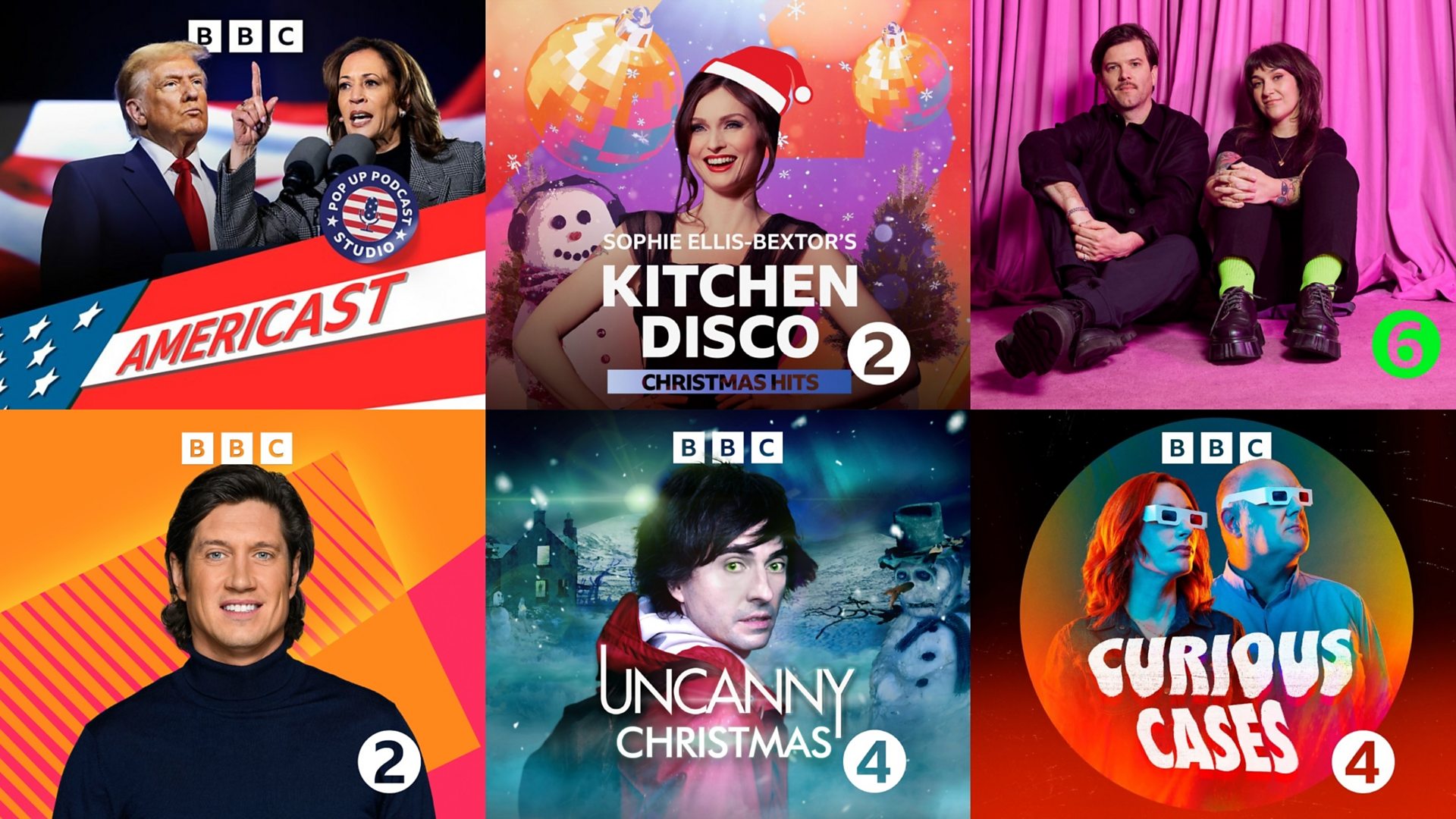
Introduction to BBC Radio 4
BBC Radio 4 has long been a significant part of the UK’s broadcasting landscape, famed for its rich blend of drama, factual programming, and discussion shows. Launched in 1967, it has evolved into a vital platform for public discourse, showcasing a variety of perspectives on issues that matter to society. Today, it reaches millions of listeners and stands out as a trusted source in an age where media credibility is paramount.
Current Programming Highlights
Recent events have only increased the relevance of Radio 4 programming. The station’s iconic shows, such as The Archers, Front Row, and Today, continue to capture audiences’ attention. These programs provide in-depth analysis and cultural commentary, ensuring listeners are informed about both current events and the arts.
This month, BBC Radio 4 has focused on important topics like climate change and its impact on global economies. Special feature segments have addressed how different communities are adapting to environmental challenges, showcasing grassroots movements and innovations aimed at sustainability.
BBC Radio 4 in the Digital Age
As digital consumption increasingly shapes media trends, BBC Radio 4 has embraced innovation. The introduction of on-demand listening through BBC Sounds has made it easier than ever for audiences to access cherished programs anytime, anywhere. Furthermore, the station is utilizing social media to engage younger listeners, bridging the gap between traditional broadcasting and modern consumption habits.
Conclusion: The Future of BBC Radio 4
As we move forward, BBC Radio 4 remains committed to its mission of enriching lives with high-quality content. The station’s ability to adapt while maintaining its core values will be vital in sustaining listener loyalty. With initiatives aimed at inclusivity and broader representation, BBC Radio 4 is poised to remain a fundamental part of British culture and media landscape for years to come.