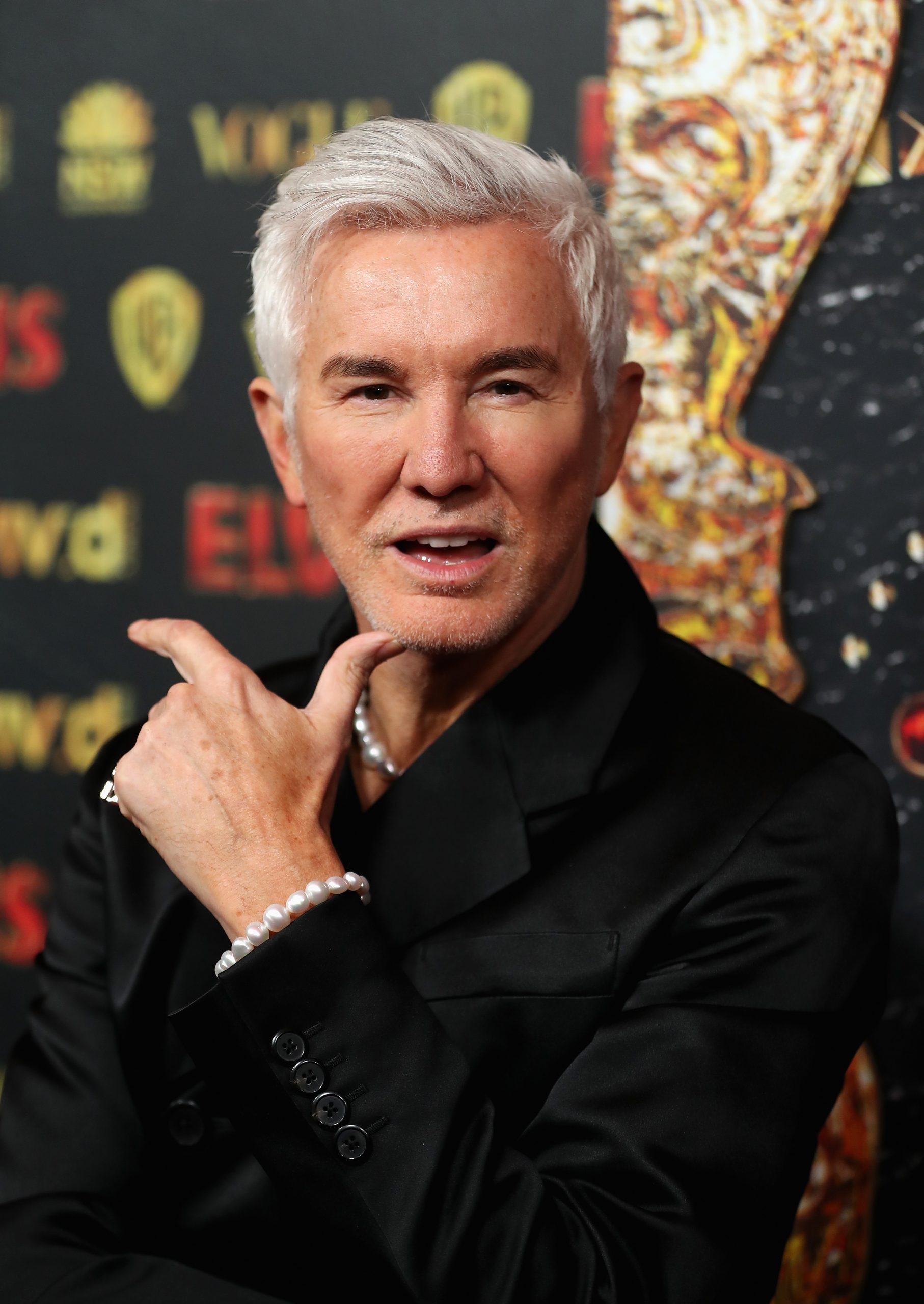
Introduction
Baz Luhrmann is a renowned Australian filmmaker whose distinctive style has significantly influenced modern cinema. Known for his visually striking narratives and audacious storytelling, Luhrmann has crafted films that not only entertain but also resonate culturally across generations. His contributions to the film industry are essential to understanding the evolution of cinematic techniques and the integration of music and performance in storytelling.
Background and Major Works
Born on September 17, 1962, Luhrmann gained prominence with his debut feature, Strictly Ballroom (1992), which presented a vibrant and spirited take on competitive ballroom dancing. This film echoed his penchant for melodrama and was both a critical and commercial success, leading to a unique style that infused theatricality into mainstream film.
Subsequent projects like Romeo + Juliet (1996) and Moulin Rouge! (2001) solidified his reputation. Romeo + Juliet merged Shakespeare’s classic tale with contemporary elements, showcasing Luhrmann’s ability to blend diverse genres. Moulin Rouge!, a musical extravaganza set amidst a bohemian Paris, showcased his innovative use of modern pop music within a historical context and earned him two Academy Awards.
Recent Projects and Cultural Impact
In 2022, Luhrmann released Elvis, a biopic that chronicles the life of Elvis Presley. This film has received acclaim for its fresh approach, emphasizing not just the music but also the complexities of Presley’s persona and his influence on cultural evolution in America. Elvis exemplifies Luhrmann’s trademark style—dynamic editing, bold visuals, and an amalgamation of theatrical and cinematic forms.
Moreover, Luhrmann’s films are characterized by a deep exploration of soundtracks, often utilizing music as a narrative force rather than just a backdrop. This approach has inspired a generation of filmmakers to consider the emotional resonance of music in storytelling.
Conclusion
Baz Luhrmann remains a pivotal figure in the film industry, known for his bold artistic choices and ability to weave diverse cultural influences into his works. His films not only push boundaries in visual storytelling but also elevate the role of music embedded within narratives. As audiences continue to embrace innovative storytelling techniques, Luhrmann’s influence on modern cinema is likely to endure, inspiring future filmmakers to explore new dimensions of artistry in film. His work serves as an important reminder of the transformative power of cinema and the indelible mark an artist can leave on an industry.