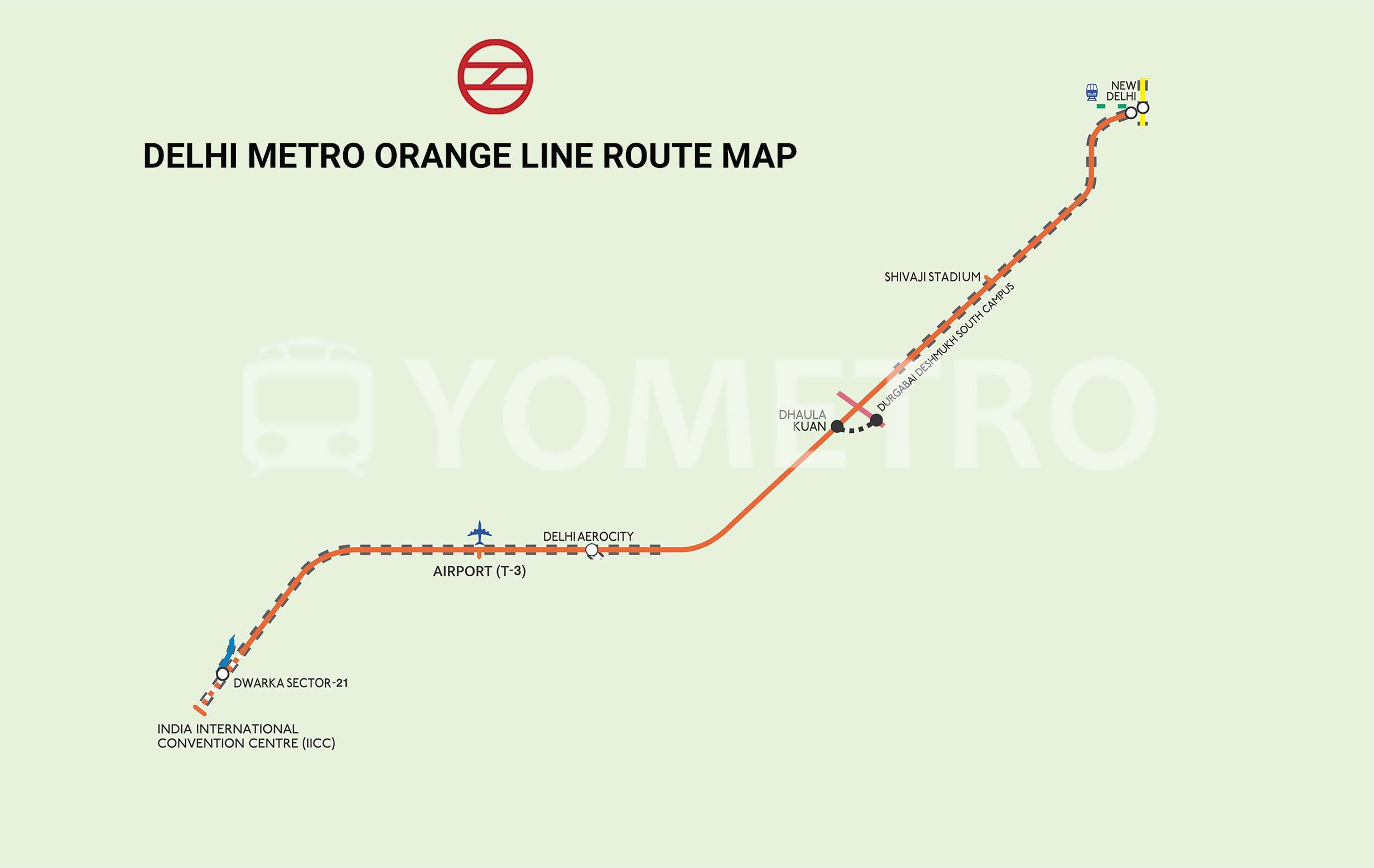
Introduction to Metro Transportation
Metro transportation systems play a vital role in urban mobility, providing efficient and reliable transport options to millions of commuters globally. With increasing urbanization and congestion in cities, metro systems are becoming essential for modern infrastructure.
Recent Developments in Metro Systems
As of 2023, various cities around the world are expanding and upgrading their metro systems to meet the demands of growing populations. Notable examples include Los Angeles, which is investing heavily in its metro expansion plan that aims to add over 30 miles of rail by 2028, enhancing connectivity across the region.
Similarly, New York City has announced additional investments to improve accessibility and reliability in its aging subway network, focusing on upgrades that would benefit riders with disabilities. Projects include station renovations and technological advancements that promise to reduce wait times and improve service frequency.
Environmental Impact and Advantage
Metro systems offer significant environmental benefits, promoting public transport usage over individual car travel. According to the American Public Transportation Association (APTA), public transportation in the U.S. saves 37 million tons of carbon dioxide annually, and metros are at the forefront of this effort. Many metro systems are also exploring electrification and green technologies to further minimize their ecological footprint.
Challenges Facing Metro Systems
Despite the advancements, metro systems face challenges such as funding shortages, maintenance issues, and safety concerns. Recent studies have shown that inadequate funding can lead to deferred maintenance, which ultimately affects service quality. Moreover, safety concerns, particularly in the wake of the COVID-19 pandemic, have prompted cities to implement enhanced sanitation protocols and crowd management strategies.
Conclusion and Future Outlook
The development of metro transportation is crucial for sustainable urban growth. As cities continue to invest in their public transport networks, the significance of metro systems is expected to grow. Looking ahead, the integration of smart technologies and environmentally friendly practices will likely open new avenues for efficiency and sustainability in urban transport.
For urban dwellers and commuters, staying informed about these developments is essential, as investments in metro systems ultimately shape the quality of life, air quality, and the economy in our growing cities.