Introduction
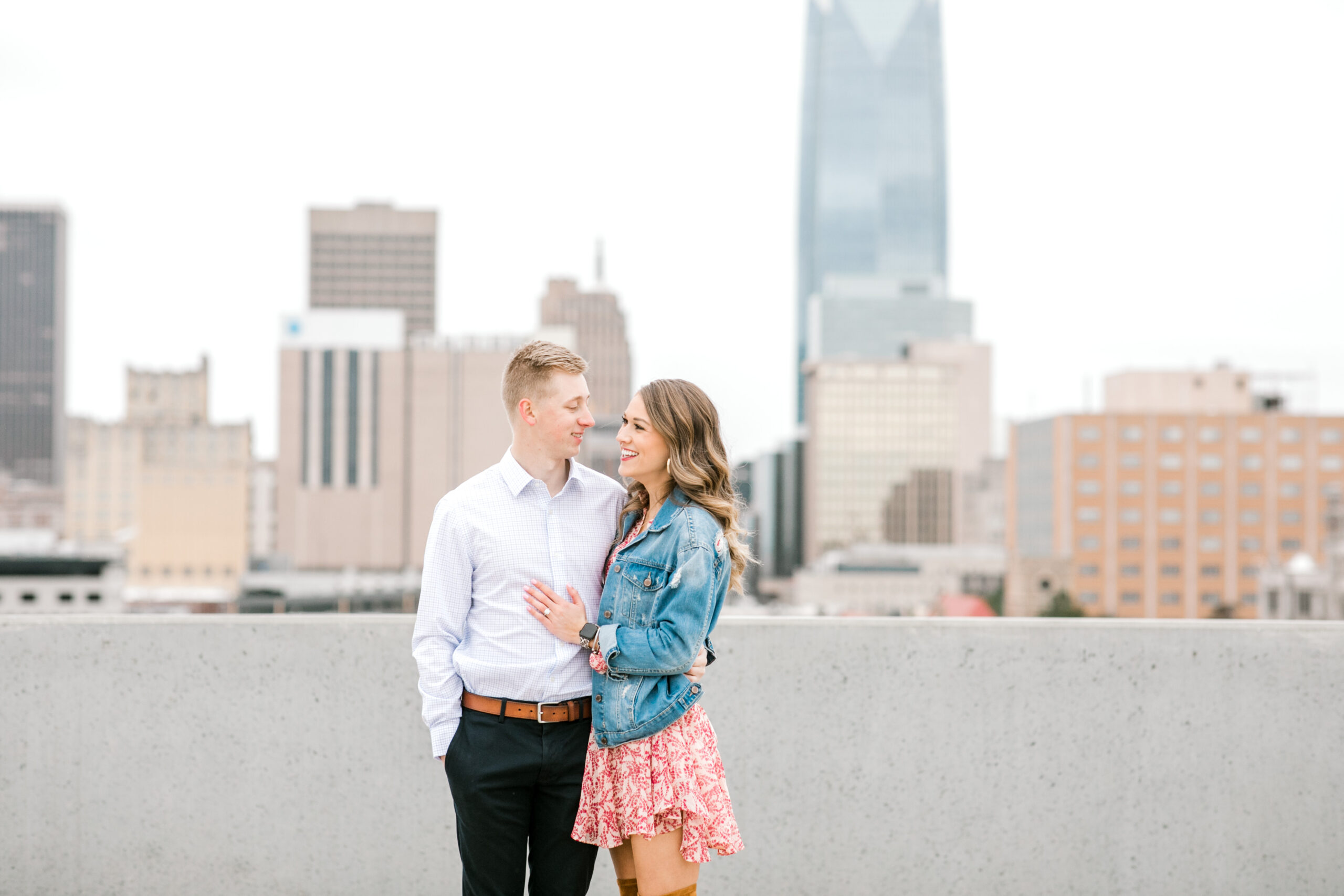
Oklahoma City, often abbreviated as OKC, has increasingly become a focal point of culture, economy, and infrastructure in the United States. Recognized as the state capital, OKC combines a rich history with a modern urban landscape, making it an essential topic for those interested in urban development and cultural dynamics. With recent investments driving growth, understanding the city’s evolution is key for residents, potential investors, and visitors alike.
<h2Economic Growth and Development
Over the past decade, Oklahoma City has experienced significant economic growth, driven by industries such as energy, healthcare, and technology. The city reported an impressive 9% job growth rate last year, outpacing the national average. This growth can be attributed to strategic initiatives launched by the municipal government aimed at attracting businesses and fostering entrepreneurship. Additionally, the construction of the new MAPS 4 initiative, which allocates $978 million towards various civic projects, is expected to further enhance the city’s infrastructure and public amenities.
Cultural Landscape
OKC is home to a diverse cultural scene that includes vibrant art districts, world-class museums, and a variety of dining experiences. The Oklahoma City Museum of Art and the National Cowboy & Western Heritage Museum attract thousands of visitors annually, showcasing both local and international art. The recent revival of the Bricktown Entertainment District has transformed the area into a bustling hub for nightlife, live music, and fine dining. Events such as the Oklahoma State Fair and the annual Arts Festival also draw large crowds, highlighting the city’s community spirit.
Future Outlook
Looking ahead, the future of OKC appears promising. With continued investment in public infrastructure, housing, and business development, experts predict sustained economic growth and an influx of new residents. Additionally, initiatives to promote sustainability and green spaces are attracting environmentally conscious individuals and companies. As Oklahoma City continues to innovate while preserving its unique identity, it stands poised to cement its status as a major player on the national urban landscape.
Conclusion
In summary, Oklahoma City (OKC) embodies a blend of tradition and modernity, positioning itself as a dynamic city filled with opportunity and cultural richness. As the city navigates challenges and embraces growth, it invites all stakeholders—residents, businesses, and visitors—to engage with its vibrant transformation. Following Oklahoma City’s journey is essential for understanding the future of urban America.