Introduction
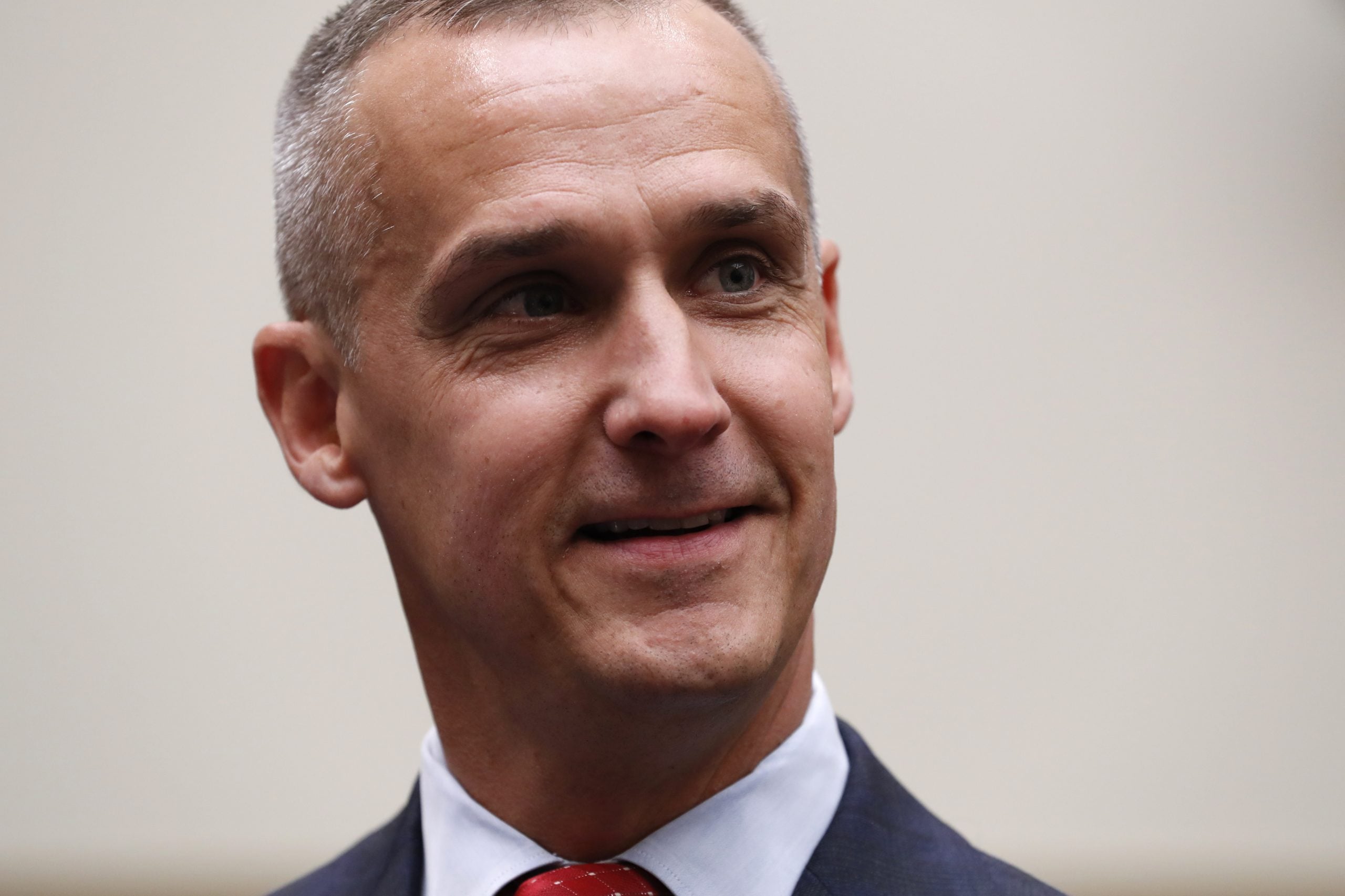
Corey Lewandowski, a prominent political strategist and consultant, gained national attention as Donald Trump’s campaign manager during the 2016 presidential election. His influence on campaign strategies and political communications has made him a significant figure in contemporary American politics. Understanding his role is crucial for comprehending the dynamics of modern political campaigns.
Career Overview
Lewandowski’s political journey began in New Hampshire, where he had been active in state politics. He first drew attention for his controversial tactics and fierce loyalty to Trump, which helped propel the candidate to the forefront of the Republican primaries. After leaving his official role as campaign manager, Lewandowski continued to play a vital role in Trump’s strategies and public appearances, becoming a close advisor and confidant.
Recent Developments
As of 2023, Lewandowski has continued his involvement in the political landscape, launching a lobbying firm that has focused on several key issues, including technology regulation and public policy. His recent comments on the shifting political climate and upcoming elections suggest he values a strong alignment with candidates maintaining pro-Trump philosophies. Notably, he has made headlines for his outspoken support and criticism of various Republican figures and policies.
Impact on Republican Party
Corey Lewandowski’s strategies have not only influenced Trump’s rise but have also left a lasting imprint on the Republican Party. His approach emphasizes combativeness and direct communication, elements that have resonated with a significant faction of the party’s base. His role in shaping party rhetoric can be seen in how GOP candidates address issues like immigration, trade, and civil unrest. These tactics continue to evolve, shaped by both Lewandowski’s insights and the broader political environment.
Conclusion
Corey Lewandowski remains an influential figure in American political discourse. As the Republican Party navigates internal and external challenges, Lewandowski’s strategies and perspectives will likely resonate within political campaigns and public policy debates. Observing his continued involvement gives insight into the evolving landscape of American politics and the role of key strategists within it. For readers interested in the intricacies of political campaigning and strategy, Lewandowski’s actions and their implications are worth watching closely.