Introduction
The regulation of greenhouse gases (GHGs) by the Environmental Protection Agency (EPA) is a critical topic in the fight against climate change. As global temperatures rise and environmental impacts become more pronounced, the role of governing bodies like the EPA becomes paramount. The EPA’s measures aim to reduce harmful emissions that contribute to climate change, ensuring a healthier environment for future generations.
Recent Developments in EPA Regulations
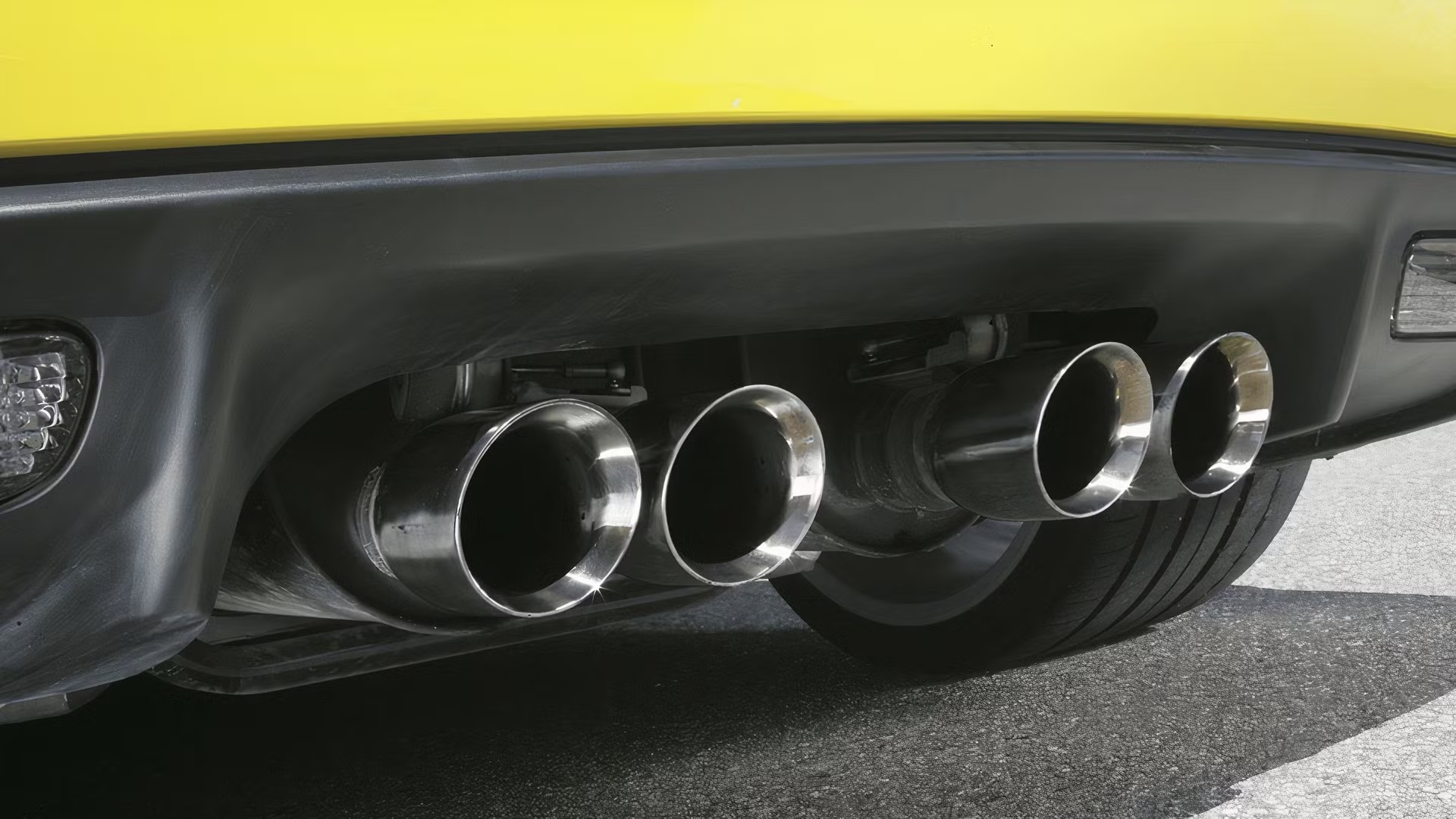
In recent months, the EPA has proposed several new regulations aimed at reducing greenhouse gas emissions from key sectors, including transportation, power generation, and industrial operations. In August 2023, the EPA announced a new rule to tighten emissions standards for vehicles, encouraging manufacturers to produce more fuel-efficient models and promote electric vehicles (EVs). This initiative is part of the Biden administration’s broader goal to cut U.S. GHG emissions by 50% by 2030 compared to 2005 levels.
Additionally, the EPA has been advancing regulations on methane emissions from oil and gas operations. Methane is a potent greenhouse gas, with a global warming potential significantly higher than carbon dioxide over a short period. In September 2023, the EPA introduced stricter monitoring requirements for methane leaks, targeting a reduction of emissions by at least 30% in the coming years.
Challenges and Opposition
Despite the EPA’s efforts, the path to achieving significant reductions in greenhouse gases is fraught with challenges. Industry groups, particularly those in fossil fuels and manufacturing, argue that stringent regulations could hinder economic growth and job creation. The debate over the balance between environmental protection and economic viability continues to be a contentious issue in U.S. politics.
Conclusion and Future Implications
As the world grapples with the impacts of climate change, the EPA’s regulations on greenhouse gases play a crucial role in shaping the United States’ environmental policy landscape. Moving forward, close collaboration between government entities, industry stakeholders, and the public will be vital in navigating the complexities of emissions reduction. The outcomes of these regulations will not only influence national climate goals but also set the stage for international climate leadership, showcasing the U.S. commitment to combatting climate change and protecting public health.