The Importance of Friday the 13th
Friday the 13th has long been regarded as an ominous day in Western culture, steeped in superstition and fear. Its significance can be traced back to the Middle Ages, where numerous historical accounts depict the number 13 as unlucky and Fridays as unfortunate. This combination has led to a widespread belief that this day brings bad luck, creating widespread fascination and caution whenever it arrives on the calendar.
Historical Context and Cultural Impact
The superstition surrounding Friday the 13th has several possible origins. One popular theory suggests it was influenced by the Last Supper, where Judas Iscariot, the 13th guest, betrayed Jesus on a Friday. In addition, many believe that the Knights Templar were arrested on Friday the 13th, 1307, leading to further associations with misfortune.
Across various cultures, the fear of Friday the 13th has sparked a range of responses. In the United States, buildings often skip the 13th floor, and airlines might omit row 13 from their seating arrangements. According to a study by the American Journal of Psychology, reports of accidents and emergency room visits increase on this day, showcasing that the fear can manifest in real-life behaviors.
Modern-Day Celebrations and Interpretations
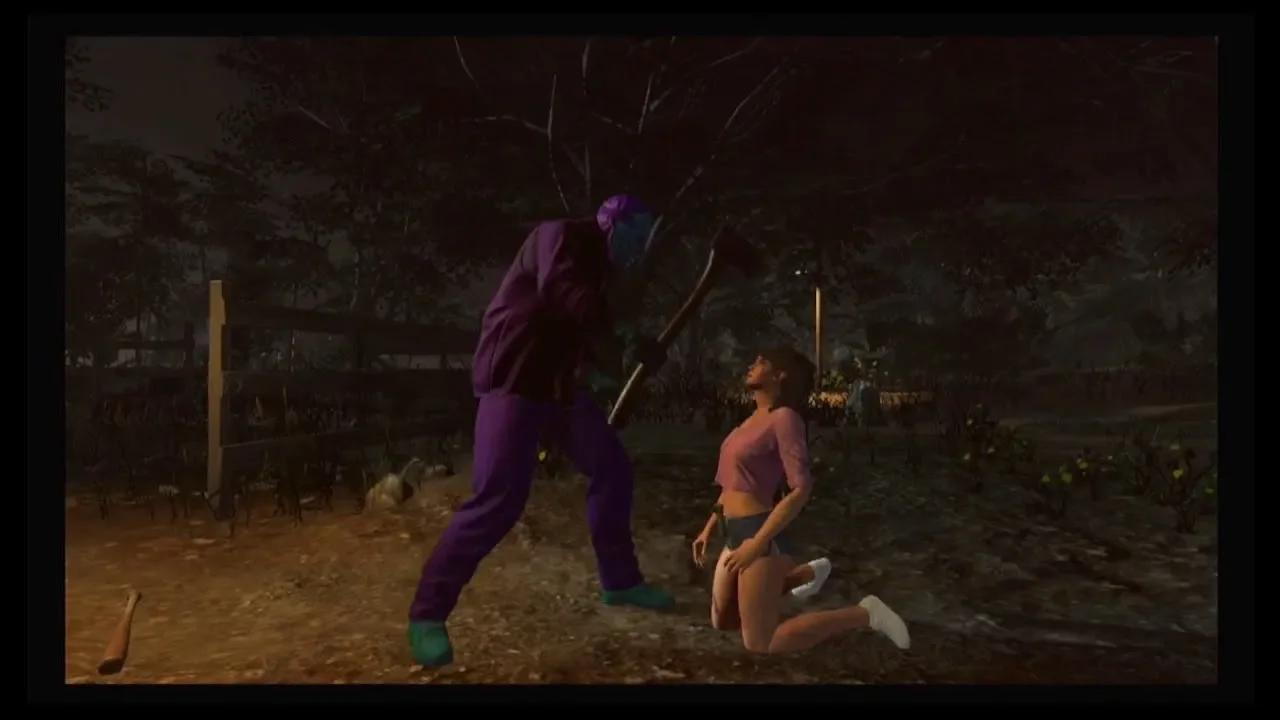
In contemporary society, Friday the 13th has evolved, becoming a source of entertainment through movies and popular culture. The ‘Friday the 13th’ film franchise, which began in 1980, cemented the date in horror film history, depicting the infamous character Jason Voorhees as he terrorizes unsuspecting victims. This has influenced how many view the day, leading to themed parties and events celebrating the eerie qualities of this supposedly cursed day.
Conclusion: The Significance of Friday the 13th Today
As we navigate through life, it’s crucial to distinguish between superstition and reality. While some may take precautions on Friday the 13th, believing it to be an unlucky day, many choose to embrace it as an opportunity for fun and entertainment. The dual nature of the day serves as a reminder of how cultural beliefs can shape our attitudes and behaviors. Whether feared or celebrated, Friday the 13th continues to hold a unique place in our collective consciousness, encouraging an exploration of how mythology influences modern life.