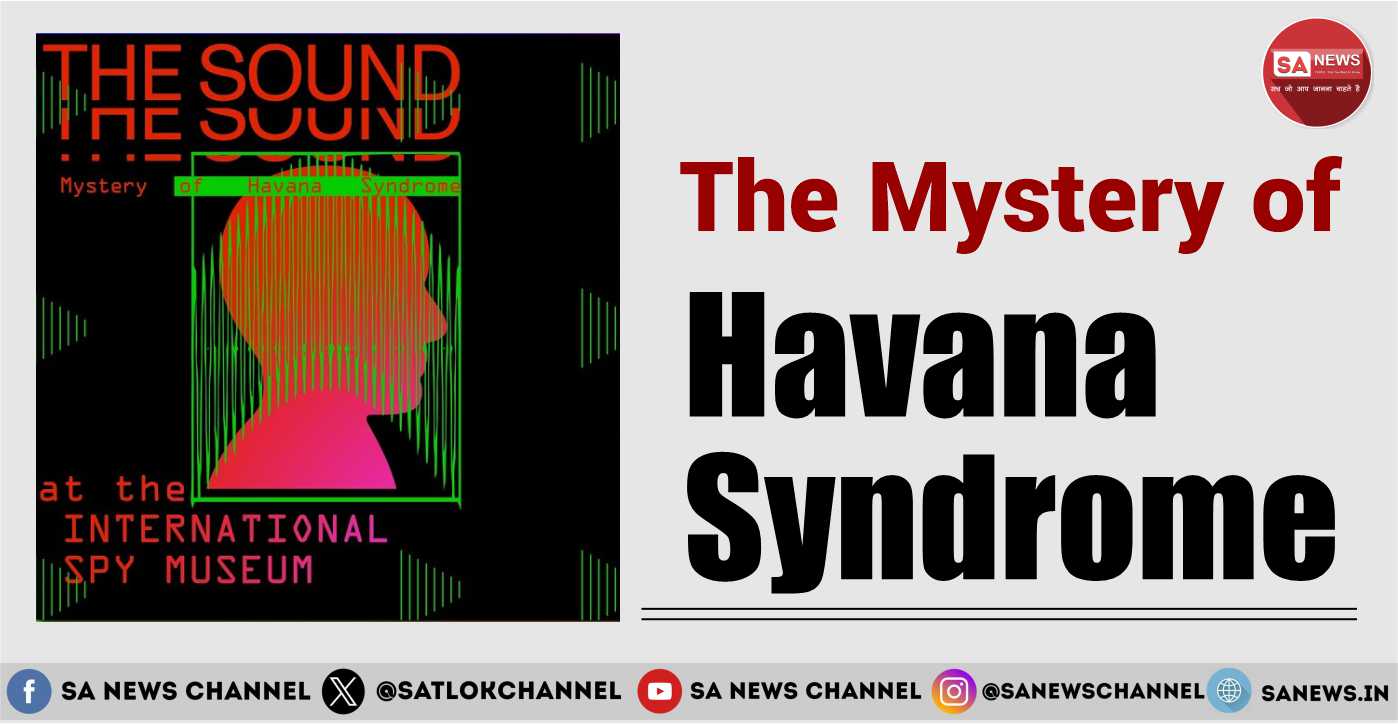
Introduction to Havana Syndrome
Havana Syndrome refers to a series of unexplained medical symptoms experienced by U.S. and Canadian diplomats and their families in Havana, Cuba, beginning in late 2016. The syndrome has become a significant subject of investigation due to its perplexing nature and its potential implications on international relations and the safety of diplomatic personnel.
Symptoms and Initial Reports
The primary symptoms reported by individuals affected by Havana Syndrome include headaches, dizziness, tinnitus, hearing loss, cognitive difficulties, and sleep disturbances. Initial cases were reported by diplomats stationed in Cuba, leading to widespread concern. Since then, similar cases have emerged among U.S. officials in other countries, suggesting a broader phenomenon.
Investigation and Theories
The U.S. government quickly initiated investigations into the reports. Theories regarding the cause of Havana Syndrome have varied widely, with some speculating the possibility of a sonic attack or exposure to a neural weapon. Others have suggested environmental factors or mass psychogenic illness as potential explanations. The absence of a concrete causal link has resulted in controversy and debate among experts and officials.
Recent Developments and Research
In recent months, research into Havana Syndrome has gained renewed attention. U.S. intelligence agencies, including the CIA, have prioritized investigations as cases continue to be reported worldwide. A report provided by the National Academy of Sciences in December 2020 indicated that directed energy may play a role but did not reach a definitive conclusion. Ongoing studies aim to better understand the medical, neurological, and psychological impacts associated with this syndrome.
Implications for Diplomats and Security
The implications of Havana Syndrome extend beyond the immediate health concerns for affected individuals. It raises critical questions about the security of U.S. diplomats and the broader geopolitical context in which they operate. As investigations continue, this phenomenon challenges the notion of safety and protection for those serving in potentially high-risk environments.
Conclusion
Havana Syndrome remains an unresolved medical mystery with significant implications for U.S. foreign policy and the safety of its diplomats. As more information emerges, understanding its causes and effects will be vital in ensuring the welfare of individuals serving abroad. The significance of this issue underscores the need for thorough research and preparation in the face of new and unexplained health risks in the diplomatic community.