Introduction
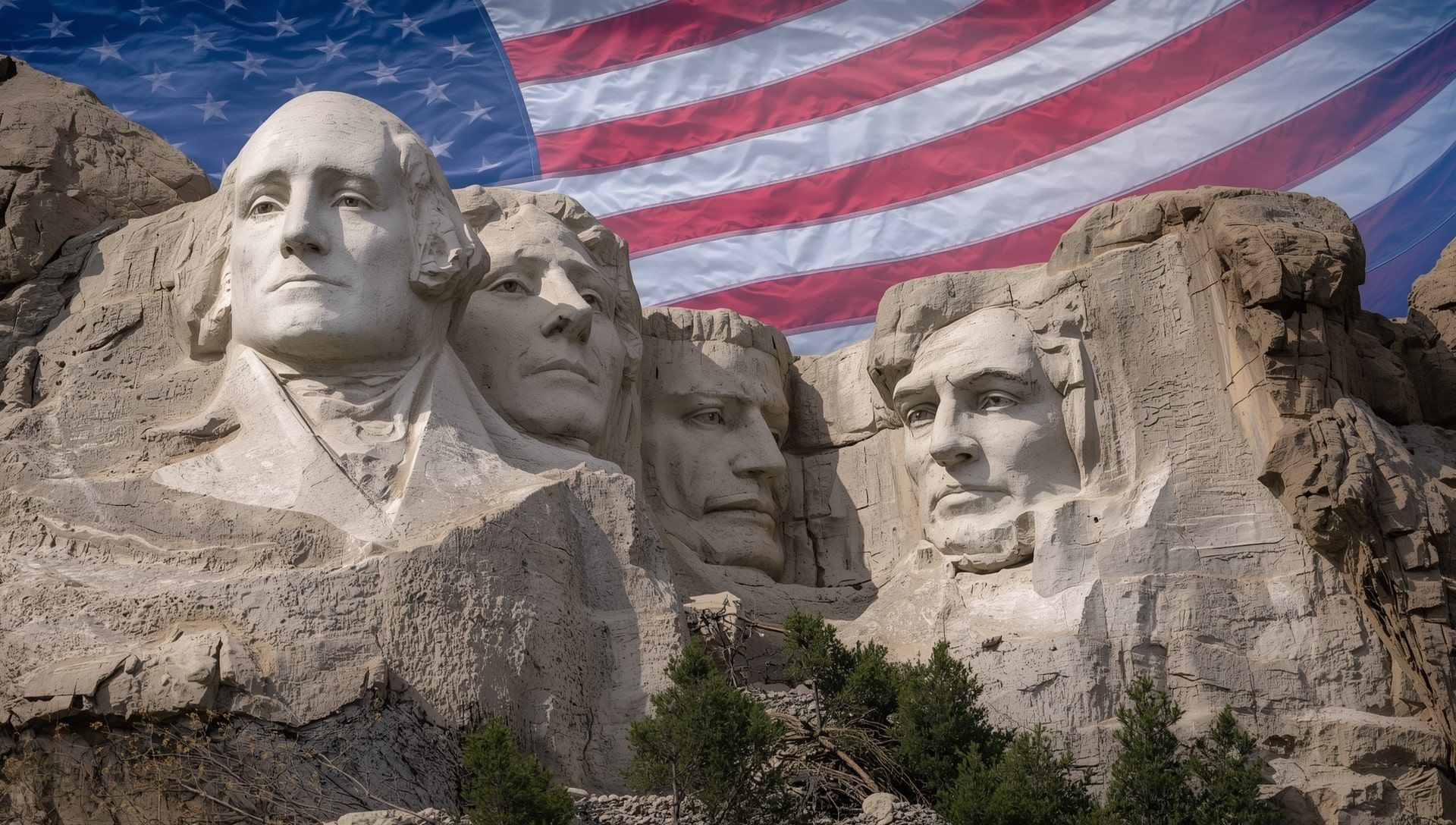
Presidents Day, celebrated on the third Monday of February, is a federal holiday in the United States that honors all persons who have served as president. This observance is particularly relevant as it provides a day for reflection on the nation’s leadership and the historical impact of the presidency. With a long-standing tradition rooted in American history, Presidents Day has evolved from its original purpose into a broader celebration of the contributions of all presidents, including George Washington and Abraham Lincoln.
The History of Presidents Day
The origins of Presidents Day date back to the late 19th century, when the United States Congress passed the Uniform Monday Holiday Act in 1968. This act aimed to provide more three-day weekends for the nation’s workers by moving the celebration of Washington’s Birthday to the third Monday in February. This change not only honored Washington’s birthday but also allowed for a combined celebration of Abraham Lincoln’s birthday, which falls on February 12, thus giving rise to the term “Presidents Day” that we use today.
Modern Celebrations
In contemporary times, Presidents Day is observed as a day of sales and discounts; many retail stores offer significant promotions, making it one of the biggest shopping weekends of the year. Schools often use this holiday to engage students in learning activities about the presidents and the Constitution, encouraging a deeper understanding of the United States’ governance and history.
Significance Today
Presidents Day holds various meanings for different segments of American society. For some, it is a memorial for the founding father, George Washington, and the transformative leader, Abraham Lincoln. For others, it serves as an opportunity to reflect on the importance of leadership in shaping democracy and the ongoing relevance of presidential actions in today’s political environment. It also prompts discussions about the roles and responsibilities of future leaders, making it a significant observance in contemporary America.
Conclusion
In summary, Presidents Day is more than just a break from work or a commercial holiday. It encourages citizens to recognize and celebrate the contributions of American presidents throughout history. As we observe this holiday each February, it is a time to honor the past and engage in discussions about leadership and citizenship, reinforcing the importance of an informed electorate in shaping the future of the nation.