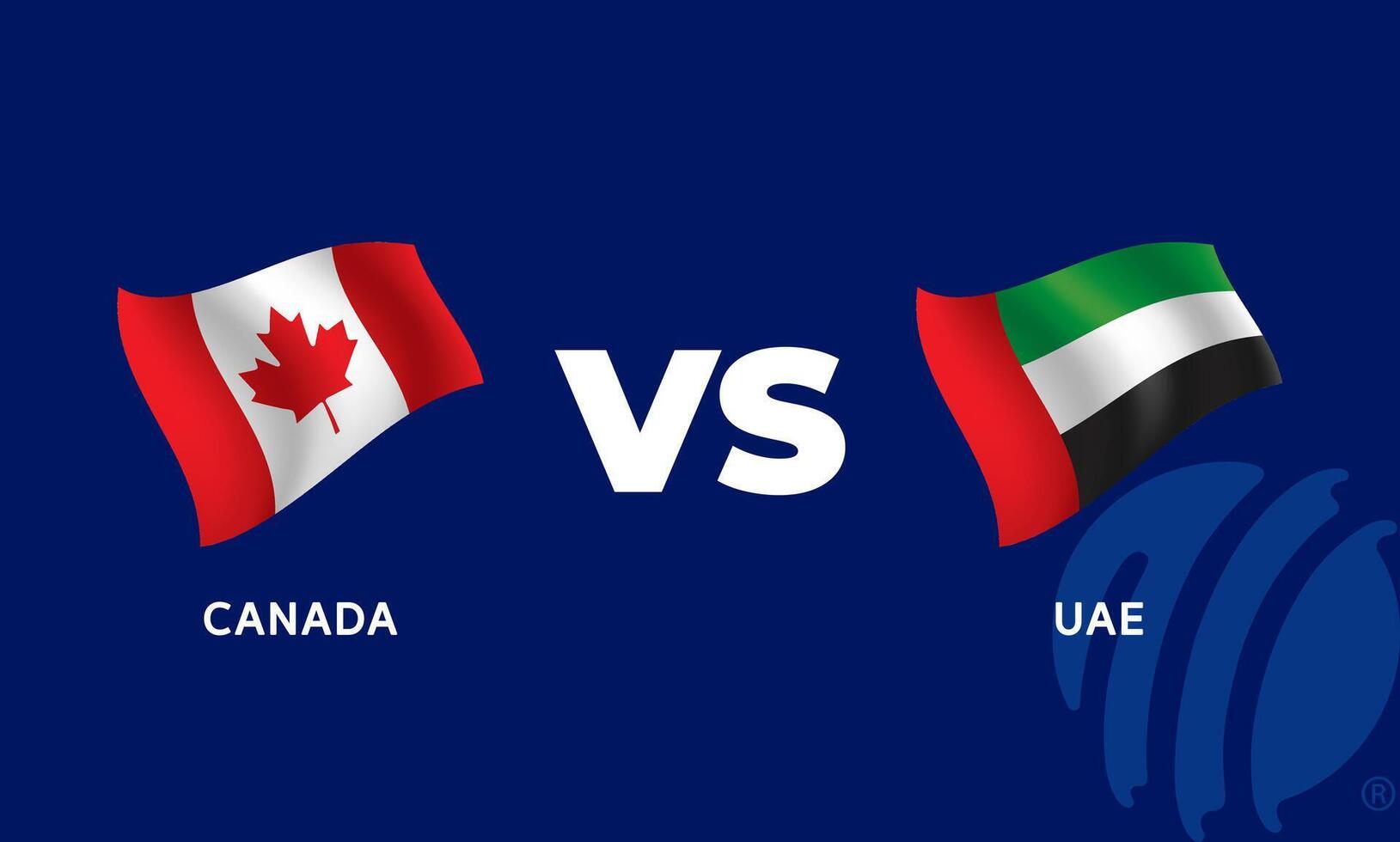
An Overview of Canada and UAE
Canada and the United Arab Emirates (UAE) represent two distinct regions of the world, with unique cultures, economies, and political landscapes. Understanding the complexities of these countries is crucial, especially given the increasing international collaborations and global initiatives between them.
Geography and Demographics
Canada, the second-largest country in the world by land area, is known for its vast landscapes and multicultural population, which exceeds 38 million. The UAE, on the other hand, is a federation of seven emirates, including Dubai and Abu Dhabi, with a population of about 9.3 million. The UAE’s population is approximately 80% expatriates, making it one of the most diverse countries in the world.
Economics
The economic structures of Canada and the UAE differ significantly. Canada has a mixed economy that heavily relies on natural resources such as oil, timber, and minerals, complemented by a robust service sector. In 2022, Canada’s GDP was approximately $2.1 trillion. Conversely, the UAE’s economy is oil-dependent but has diversified in recent years to include sectors like tourism, aviation, and finance, highlighting the UAE’s GDP of around $500 billion during the same period.
Cultural Insights
Canada is renowned for its cultural openness and emphasizes multiculturalism and inclusivity. This is reflected in its policies and societal values, allowing various ethnic groups to thrive. In contrast, the UAE, while also diverse, has a rich Arab heritage, and cultural practices are significantly influenced by Islamic traditions. Both countries celebrate their respective customs, with Canada hosting events like Canada Day while the UAE embraces National Day festivities.
International Relations
In recent years, Canada and the UAE have strengthened diplomatic relationships, particularly in trade, education, and innovation. In 2023, bilateral trade volume reached approximately $2 billion, with both countries aiming to enhance cooperation in renewable energy and technology sectors. Notably, both nations are working towards sustainability goals, aligning their efforts to combat climate change.
Conclusion
As globalization continues to connect nations, Canada and the UAE are emerging as important partners in various domains. Their distinct identities contribute to a rich international tapestry, and understanding these differences can offer valuable insights for businesses and individuals involved in cross-border interactions. The future looks promising for collaborative initiatives between these two countries as they work towards mutual growth and sustainability.