Introduction
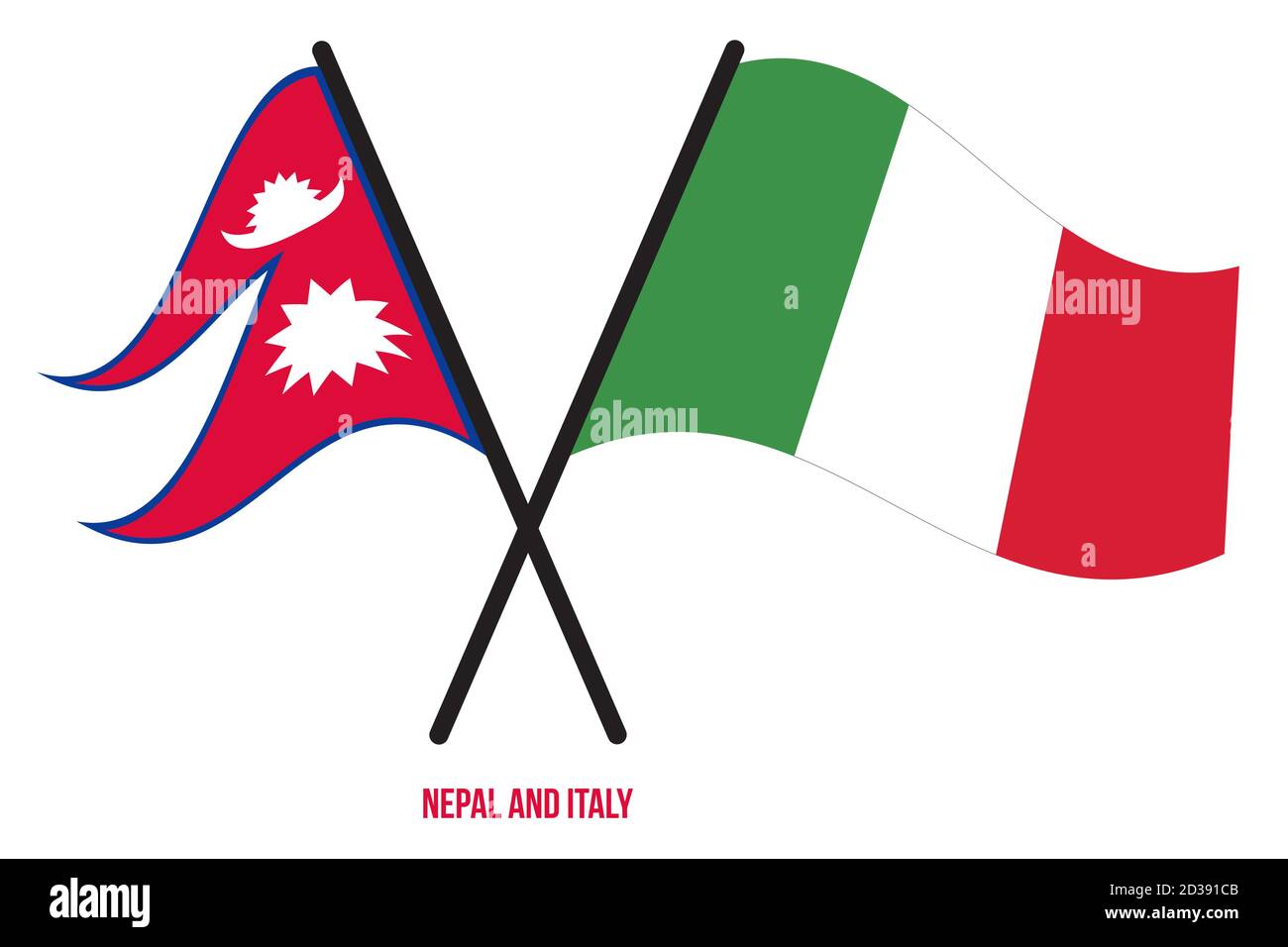
Nepal and Italy, two nations located on different continents, are unique in their cultural richness and natural beauty. Nepal, renowned for its towering Himalayas and ancient heritage, contrasts sharply with Italy, famed for its classical architecture, art, and stunning coastline. This comparison explores the juxtaposition of their cultures, landscapes, and tourism appeal, highlighting their significance in the global context.
Cultural Significance
Nepal, a landlocked country in South Asia, is known for its diverse ethnic groups and languages. It is home to numerous UNESCO World Heritage sites, including the historic cities of Kathmandu and Bhaktapur. The soul of Nepal can be found in its festivals, such as Dashain and Tihar, which reflect the customs and vibrant lifestyle of its people.
On the other hand, Italy boasts an expansive historical narrative that places it among the old-world civilizations. Cities like Rome, Florence, and Venice serve as chronicles of Ancient Rome, the Renaissance, and Baroque periods. Italy’s contributions to art and architecture are unparalleled, with works by Michelangelo and Da Vinci still celebrated today.
Natural Landscapes
The landscapes of Nepal are dominated by the Himalayas, including Mount Everest, which attracts thousands of adventure seekers. The country is also known for its lush green hills, serene lakes, and wildlife in national parks like Chitwan and Sagarmatha. This biodiversity makes Nepal a paradise for trekking and nature enthusiasts.
Conversely, Italy’s geography encompasses the stunning Amalfi Coast, the rolling hills of Tuscany, and the serene lakes like Lake Como. The Italian Alps attract winter sports lovers, while the Mediterranean coastline offers picturesque beaches. Both countries present unique opportunities for outdoor activities, from trekking in Nepal to hiking in the foothills of the Dolomites in Italy.
Tourism Appeal
Tourism is a significant contributor to the economies of both nations. In Nepal, trekking, mountaineering, and spiritual tourism (including visits to Buddhism’s sacred sites) draw many international visitors. Italy’s tourist economy relies heavily on its historical attractions, culinary tours, and fashion industry. According to recent statistics, Italy welcomed over 60 million tourists in a year compared to Nepal’s 1.2 million, illustrating the global travel preferences.
Conclusion
In conclusion, while Nepal and Italy differ vastly in culture and geography, both countries boast rich heritages and stunning landscapes. For travelers, choosing between the two involves weighing the allure of adventure and spiritual awakening against the charm of history and art. In a world increasingly interconnected, understanding these cultural contrasts enhances appreciation for our diverse planet. Both nations continue to inspire travelers and embody the essence of their respective civilizations.