Introduction
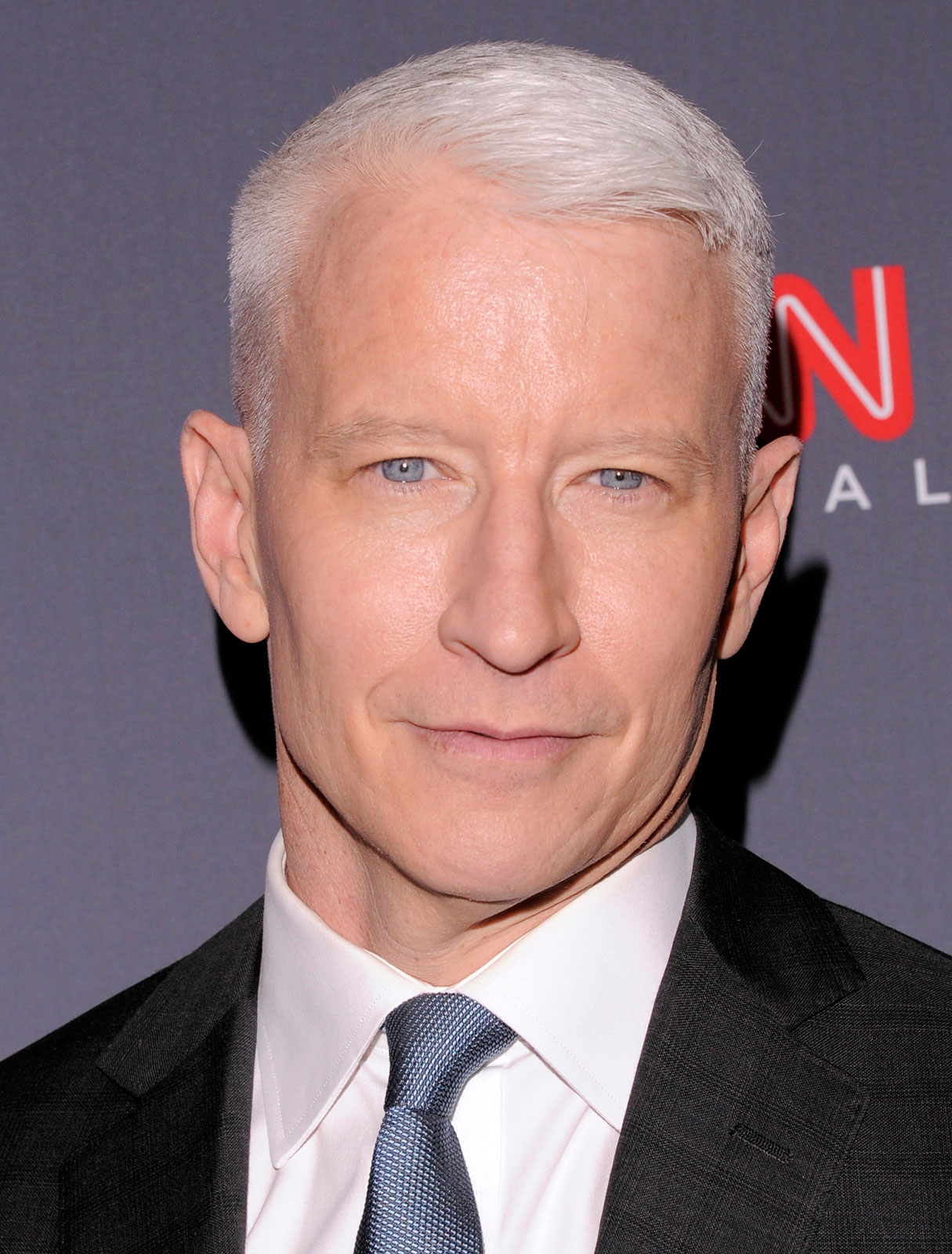
Anderson Cooper, a name synonymous with journalistic integrity and ethical reporting, has been a significant figure in American media for decades. As a CNN anchor and correspondent, his work has helped to shape the public’s understanding of critical issues, from natural disasters to political upheavals. With journalism evolving rapidly in the digital age, Cooper’s approach continues to resonate with audiences, making his insights crucial for anyone interested in contemporary news. This article explores Cooper’s journey, accomplishments, and the relevance of his work today.
Anderson Cooper’s Early Life and Career
Born on June 3, 1967, into a prominent family, Anderson Cooper’s career in journalism began at an early age. His mother, Gloria Vanderbilt, was a famous socialite and fashion designer, while his father was a successful equity broker. After graduating from Yale University with a degree in political science, Cooper began his career in journalism as a fact-checker for Channel One, a news program for high schools, where he honed his reporting skills.
His desire to report from the front lines led him to war zones. In 1995, Cooper covered the Civil War in Bosnia for CNN, which became a pivotal point in his career. This experience solidified his identity as a correspondent willing to go wherever the story leads, even to dangerous situations.
Rise to Prominence
Cooper’s rise to prominence came after he began anchoring “Anderson Cooper 360°,” a news program that features investigative reporting and in-depth coverage of international and domestic issues. His calm demeanor and ability to connect with viewers have made him a trusted figure in journalism. He covered significant events such as Hurricane Katrina, the death of Michael Jackson, and the election of Barack Obama, solidifying his position as one of CNN’s leading figures.
In addition to his television work, Cooper has authored several books and is known for his contributions to the field through documentary filmmaking. His efforts in reporting on human rights issues, particularly in areas affected by war and disaster, reflect his commitment to using journalism as a force for good.
Current Endeavors and Impact
Today, Cooper continues to anchor “Anderson Cooper 360°,” delivering news updates, analysis, and interviews that tackle pertinent social and political issues. In recent months, Cooper has emphasized the importance of mental health in the context of the COVID-19 pandemic, featuring discussions with experts and personal stories from those affected.
Conclusion
Anderson Cooper’s impact on journalism is profound. As a figure who believes in the power of transparency and accountability, his approach continues to teach aspiring journalists the importance of truth in reporting. With the increasing challenges in media, his work exemplifies the necessity of credible journalism. As Cooper moves forward in his career, audiences can expect him to tackle the pressing issues of our time with the same dedication and spirit that has defined his work from the outset.