Introduction
The field of drug development is a cornerstone of healthcare, affecting millions worldwide. With advances in technology and changing regulatory landscapes, the process of bringing new drugs to market is evolving rapidly. The relevance of this topic is underscored by the ongoing COVID-19 pandemic and the emergency use authorizations that have taken center stage, highlighting the challenges and triumphs in the drug approval process.
Recent Developments in Drug Approval
In 2023, the FDA has streamlined processes to enhance the speed at which safe and effective drugs can enter the market. Their focus is on expediting the review of treatments for diseases that have no existing cures or therapies. Notably, the FDA’s Real-Time Oncology Review (RTOR) program and the FAST (Focus on Accelerated approval of STrategies for drugs) initiative have shown success in speeding approvals of oncology drugs, allowing access to critical treatments more swiftly than traditional methods.
Innovations in Drug Development
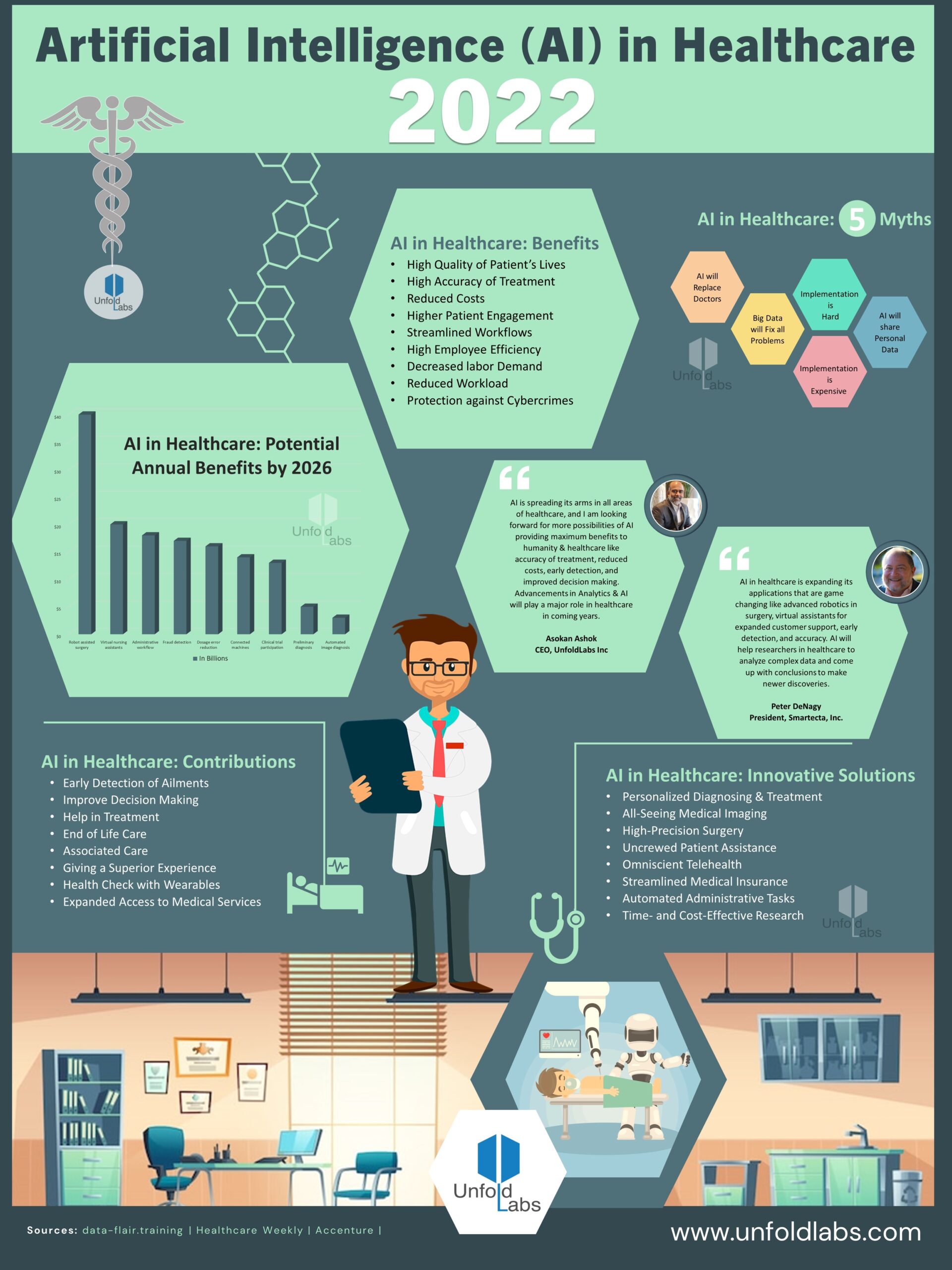
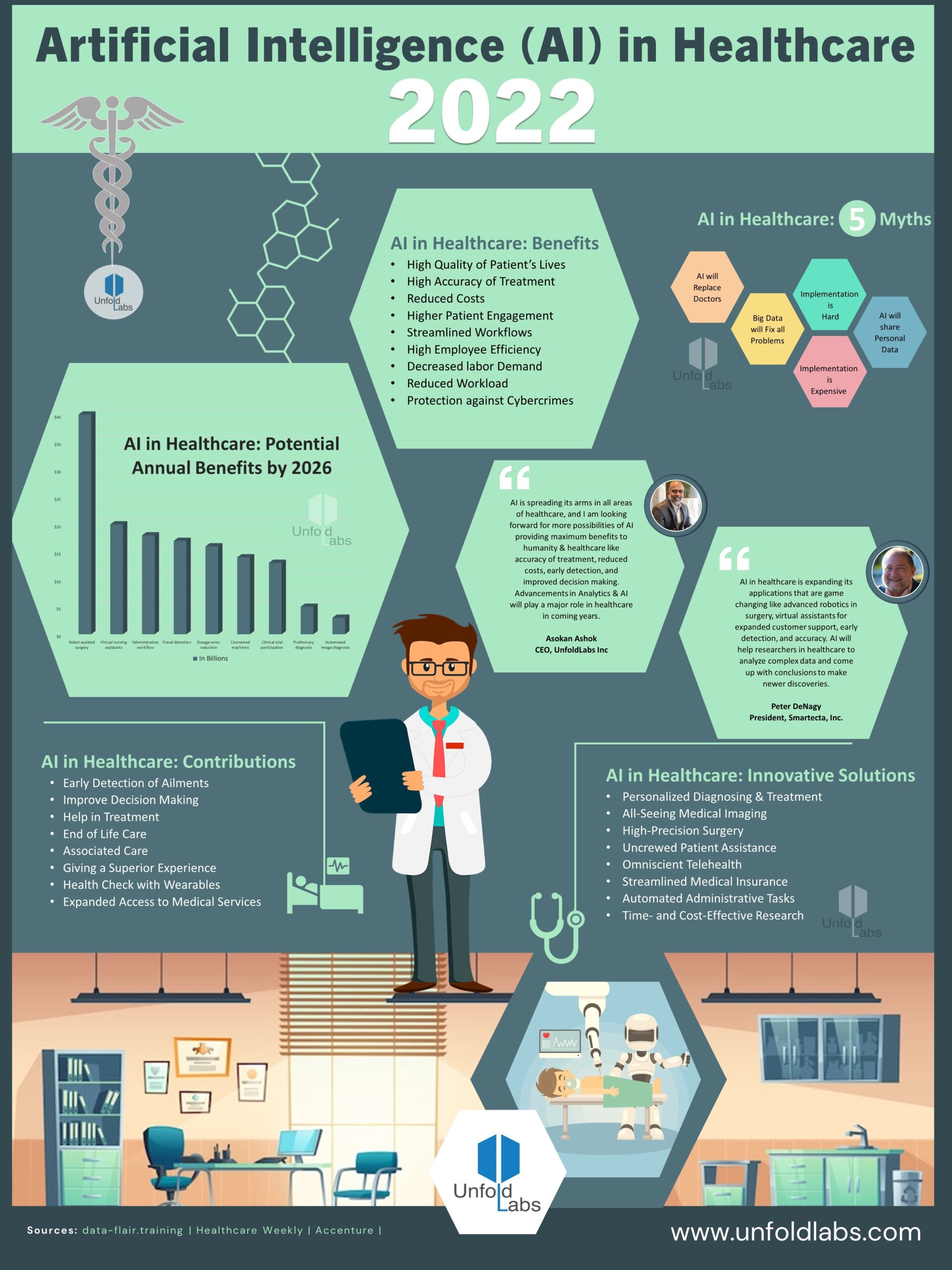
Technological advancements, particularly in artificial intelligence (AI) and biotechnology, are revolutionizing drug development. AI is now employed to predict drug interactions and effectiveness, reducing research times significantly. Moreover, personalized medicine is redefining treatment, as therapies are tailored to individual genetic profiles, improving efficacy rates. Innovations such as mRNA therapy, which gained visibility during the COVID-19 pandemic, are being explored for the treatment of various diseases, including cancer and autoimmune disorders.
The Global Drug Market Landscape
As of 2023, the global pharmaceutical market is projected to reach $1.5 trillion, with significant growth driven by emerging markets and an aging population. Increased investments in research and development are anticipated, leading to a plethora of new drug approvals in the coming years. Additionally, collaboration between biotech firms and larger pharmaceutical companies is becoming more common, facilitating the sharing of resources and knowledge to innovate drug solutions.
Conclusion
The future of drug development and approval processes is bright yet complex. As regulatory agencies adapt to rapid changes and technological advancements, the potential for groundbreaking treatments is immense. However, it is imperative for both the industry and regulatory bodies to balance speed and safety to ensure the health and well-being of patients. As we move forward, stakeholders must remain vigilant and adaptable to continue meeting global healthcare needs effectively.