Introduction
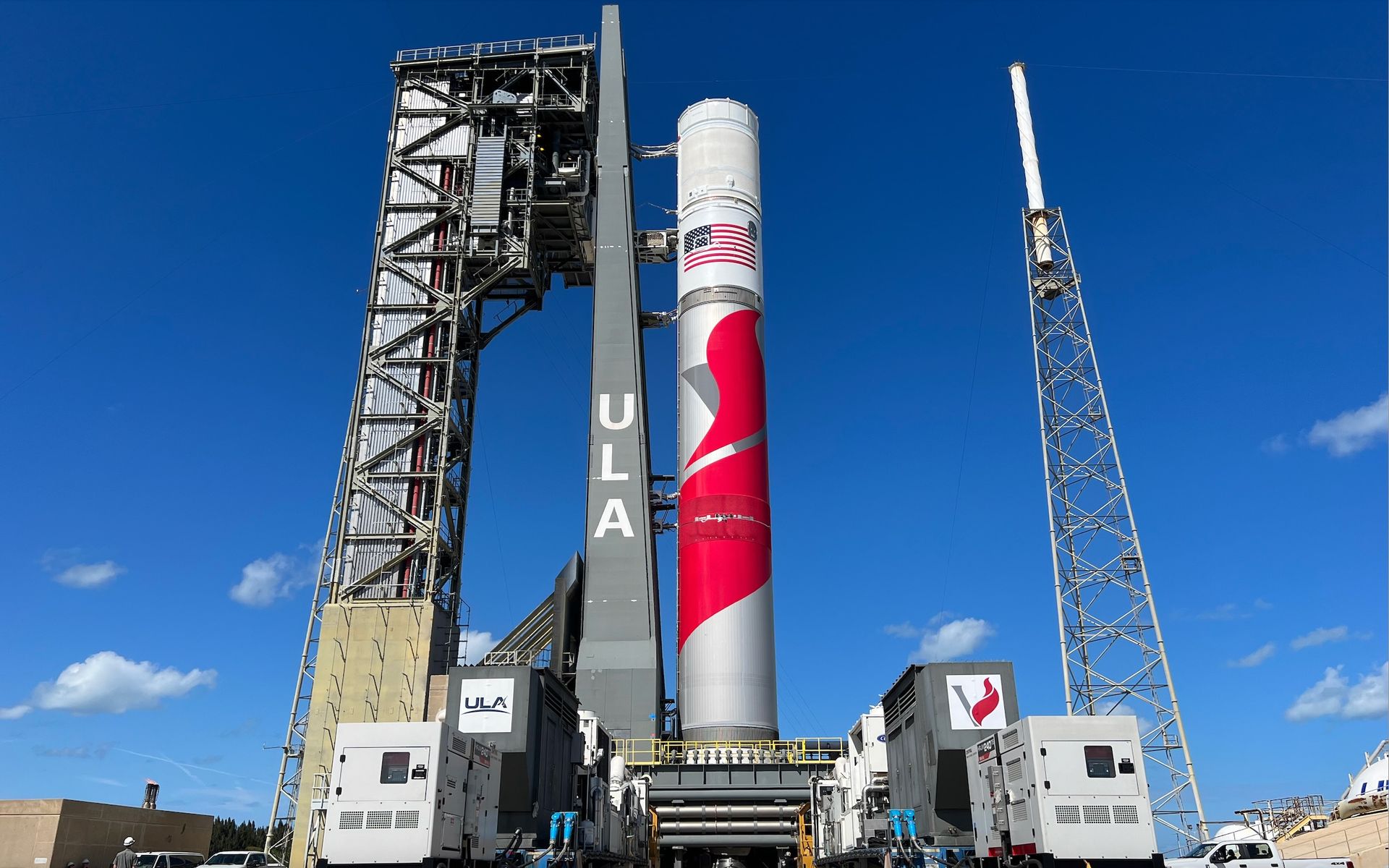
The upcoming launch of the United Launch Alliance (ULA) Vulcan Centaur rocket is a major milestone in the evolution of space exploration and satellite deployment. As one of the most anticipated launches of 2023, it signifies not only advancements in rocket technology but also the competitive landscape of the aerospace industry. The Vulcan rocket aims to replace ULA’s workhorse Atlas V and represents a commitment to more efficient and cost-effective space travel.
Details of the ULA Vulcan Rocket
Expected to take flight soon, the ULA Vulcan Centaur rocket showcases several cutting-edge features designed for enhanced performance and sustainability. With a capacity to lift heavier payloads, the Vulcan is equipped with the BE-4 engines developed by Blue Origin, which are notable for their reuse capabilities. This launch vehicle is expected to support various missions, including national security, commercial satellite launches, and space exploration initiatives.
Recent Developments
The Vulcan rocket had its first planned launch date scheduled for early 2023; however, delays in engine testing and manufacturing challenges pushed the timeline back. Recently, ULA completed successful static fire tests of the Vulcan’s engines, closing in on the launch readiness. The first mission, named Cert-1, is slated to deploy the Astra rocket for a demonstration flight, marking a pivotal step for ULA in proving the reliability and effectiveness of the Vulcan platform.
Implications of the Launch
The successful launch of Vulcan Centaur is expected to solidify ULA’s position in the increasingly competitive commercial space launch market, which features players like SpaceX and Rocket Lab. Analysts predict that the Vulcan will reduce launch costs significantly, providing more countries and private enterprises access to space. With an emphasis on modern technological efficiencies, the Vulcan is set to make strides in enabling a faster and more scalable approach to launching satellites and other aerospace missions.
Conclusion
As the ULA prepares for the Vulcan rocket’s inaugural launch, the industry watches closely for what this means not only for ULA but for the future of aerospace activities. With operational capabilities that promise to change the dynamics of satellite deployment, the Vulcan Centaur is anticipated to lead the way toward more sustainable and accessible space exploration. As the countdown begins, stakeholders and space enthusiasts alike are eager to see how ULA capitalizes on this opportunity to reshape the future of launch services.