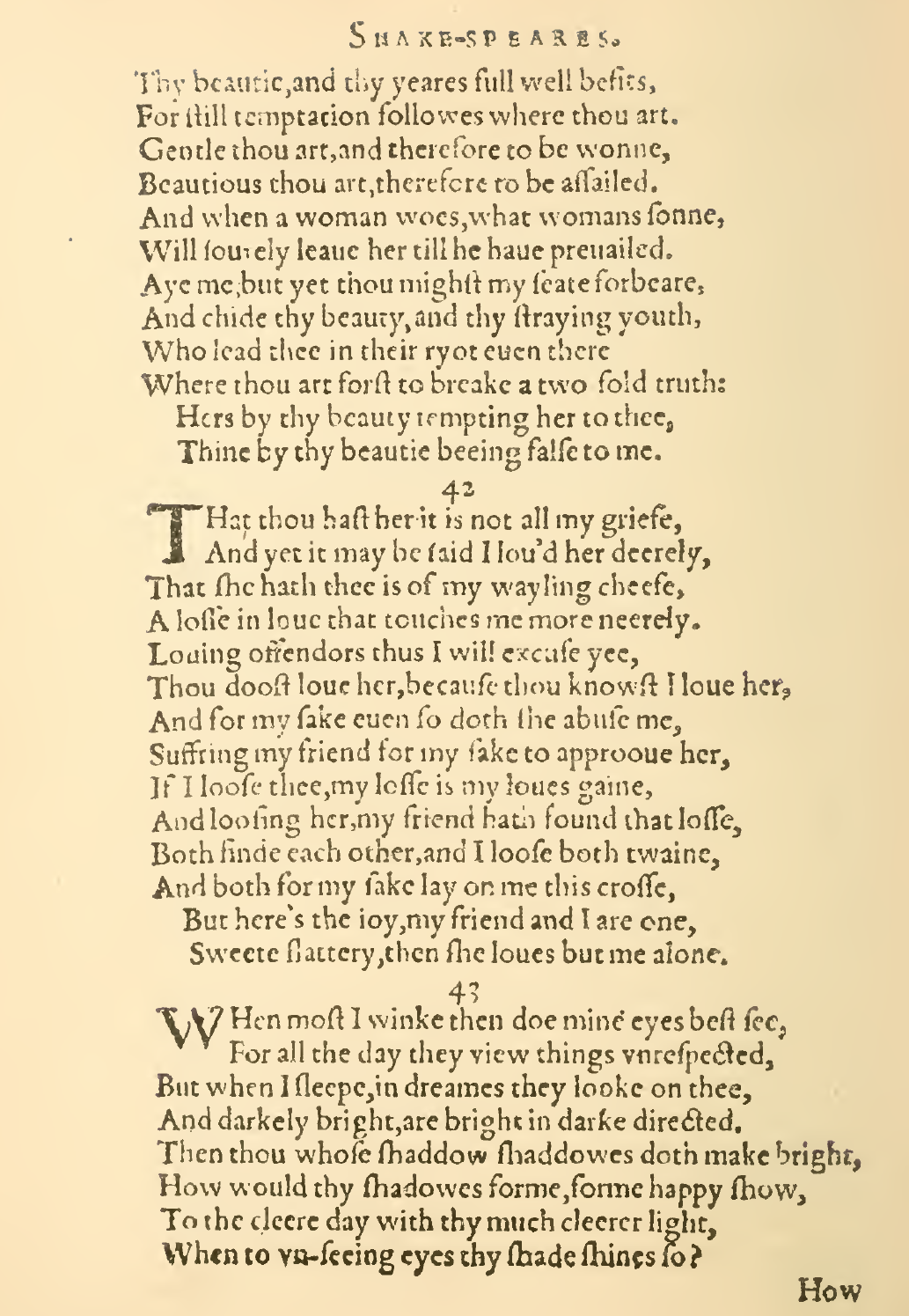
Introduction
Sonnet 4.6 is a celebrated work that offers rich insights into the complexities of love, time, and human experience. Shakespeare’s sonnets have long been a cornerstone of literature, and the specific examination of Sonnet 4.6 sheds light on the poet’s views about youth and the inevitable passage of time. Understanding this sonnet is important not only for literary appreciation but also for grasping the enduring themes encountered in many of Shakespeare’s works.
Analysis of Sonnet 4.6
In Sonnet 4.6, Shakespeare presents a meditation on the fleeting nature of beauty and the inevitability of aging. The speaker emphasizes the preciousness of youth and the importance of procreation as a means to preserve beauty through generations. This theme is encapsulated in the sonnet’s famous lines that urge the youth to ‘make thee another self for use of thee.’ Here, the speaker advocates for the continuation of one’s lineage as a response to the relentless march of time.
Themes and Structure
The structure of the sonnet, comprising 14 lines with a traditional rhyme scheme, serves to reinforce its arguments. Shakespeare employs iambic pentameter, which creates a rhythmic quality that mimics natural speech and enhances the urgency of the poem’s message. Furthermore, the imagery within the sonnet contrasts the vibrance of youth with the dullness that comes with age, vividly describing how time erodes beauty. This interplay of imagery and structure underscores the tension between the desire to hold onto youth and the reality of passage.
Significance of Sonnet 4.6
Sonnet 4.6 remains relevant today as it echoes contemporary concerns regarding aging and the value placed on physical appearance. In a world preoccupied with youth, the sonnet prompts readers to reflect on their own lives and the impact of time. It argues for legacy and the importance of creating something lasting, whether through art, family, or other means. Scholars continue to analyze Sonnet 4.6 not just for its poetic beauty but also for its philosophical reflections on life’s temporality and significance.
Conclusion
In conclusion, Sonnet 4.6 invites an exploration of timeless themes that resonate with audiences across generations. Its compelling arguments regarding youth, beauty, and the passage of time remain relevant in today’s society. As literary studies continue to evolve, this sonnet will undoubtedly retain an essential place in discussions about the human experience, reminding readers of the imperative to create and nurture connections that outlive the transient nature of existence.