Introduction
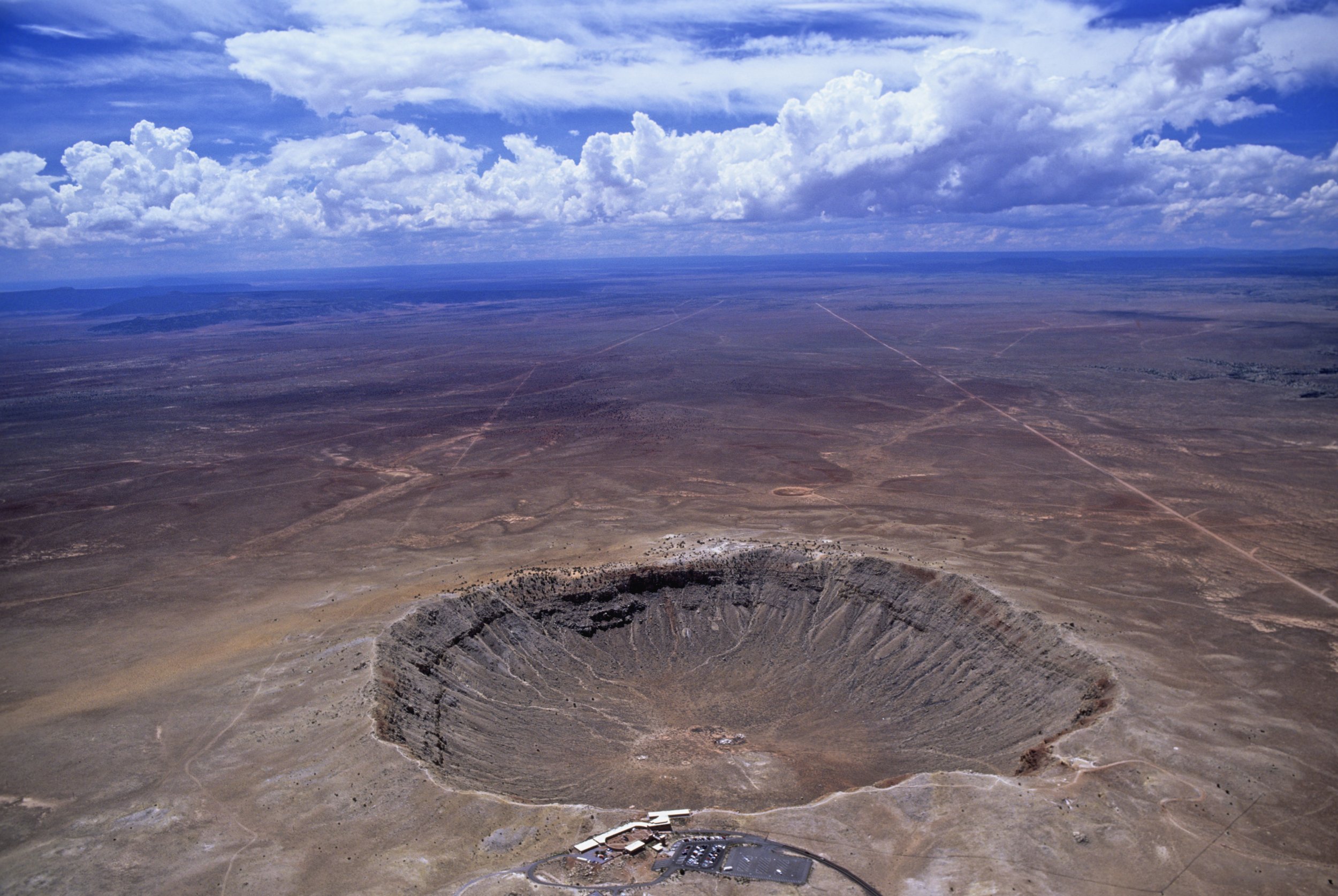
The threat of city-killing asteroids has garnered increasing attention as scientists and astronomers emphasize the potential danger these celestial bodies pose to our planet. With incidents like the Chelyabinsk meteor in 2013 reminding us of the destructive power of asteroid impact, understanding how cities can protect themselves from such threats is more important than ever.
Current Threats and Observations
According to NASA’s Near Earth Object (NEO) Program, there are over 25,000 known near-Earth objects, many of which could potentially be hazardous if they were to collide with Earth. In fact, scientists estimate that a one-kilometer-wide asteroid striking the planet could lead to extinction-level events, influencing climate, sea levels, and overall biodiversity.
Recent initiatives, such as the European Space Agency’s Hera mission set for 2024, and NASA’s successful DART mission that changed the trajectory of the asteroid Dimorphos in 2022, represent significant strides in planetary defense strategies. These missions aim to not only detect asteroids but also develop methods to deflect them, ensuring that cities remain safe from the catastrophic consequences of impact.
The Importance of Planetary Defense
Investments in planetary defense have become critical, with government agencies across the globe joining forces to enhance tracking technology and impact prevention methods. Scientists advocate for international collaboration, calling on nations to share data and develop joint defense mechanisms against the astronomical threats. In the USA, the Planetary Defense Coordination Office (PDCO) continues to lead efforts in identifying and monitoring hazardous asteroids, working closely with global networks.
Preparedness and Mitigation Strategies
City preparedness is key in case of a potential asteroid impact. Local governments are encouraged to create response plans that include early warning systems, public education initiatives, and collaboration with federal agencies. A strong emphasis is placed on risk assessment for urban areas that are more susceptible to impacts, which can help inform urban development and sustainability.
Conclusion
Preventing city-killing asteroids is a collective responsibility that requires a blend of scientific innovation, international cooperation, and robust city planning. As our understanding of these celestial threats evolves, it is crucial that cities remain vigilant and prepared. The recent advancements in planetary defense hold great promise for minimizing risks, ensuring that cities worldwide can safely navigate future threats from the skies.