Introduction
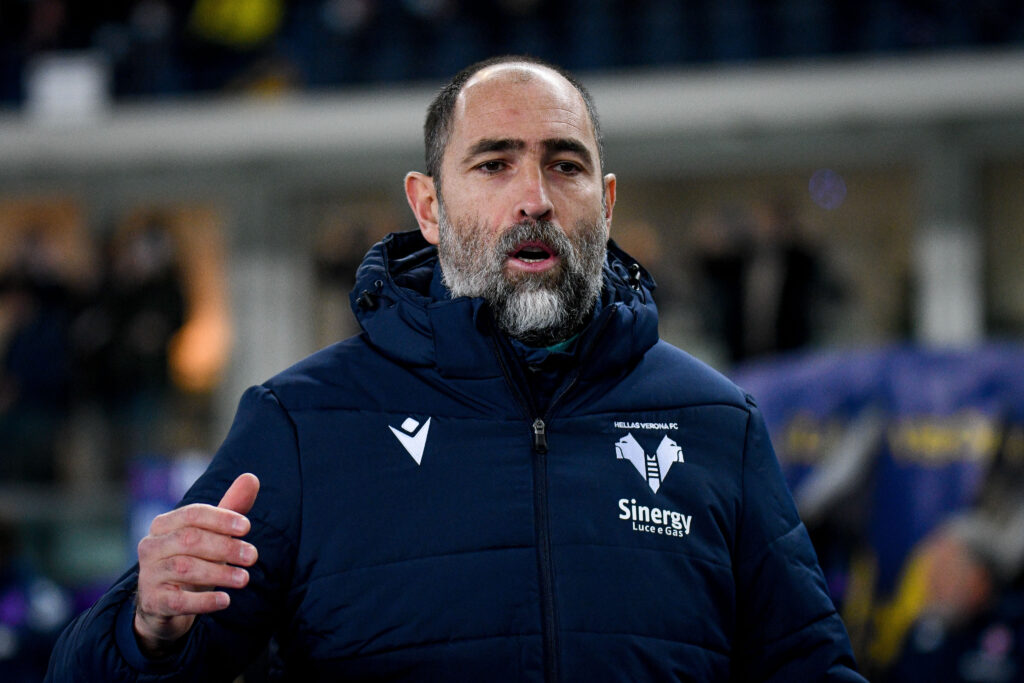
Igor Tudor has emerged as a prominent figure in the world of football coaching, capturing attention with his tactical acumen and leadership style. As the head coach of Hellas Verona in Serie A, Tudor’s strategies have sparked discussions about the future of coaching in Italy and beyond. Understanding his approach and the impact he has on his team highlights the evolving landscape of football management.
Career Overview
Born on April 16, 1978, in Split, Croatia, Igor Tudor had a successful career as a central defender, playing for clubs such as Hajduk Split and Juventus. Transitioning into coaching after his playing days, Tudor’s first major appointment was as an assistant coach for the Croatian national team. His reputation flourished when he took over as head coach of Hajduk Split, leading the team to a solid performance in domestic competitions.
Impact at Hellas Verona
In late 2021, Tudor took over as the head coach of Hellas Verona, following a disappointing start to the Serie A season. His arrival coincided with an upturn in form for the team, demonstrating his ability to galvanize players and implement a robust tactical framework. Under Tudor, Verona has displayed an attacking style of play, coupled with a newfound defensive resilience. Notable victories, including triumphs against top teams, have solidified his status as a rising star in coaching.
Tudor’s emphasis on player development has also been pivotal. He has nurtured young talents, giving them a platform to shine in the top tier of Italian football. His commitment to fostering a positive environment has seen players express their gratitude, subsequently enhancing team chemistry and performance.
Challenges and Future Outlook
Despite his recent successes, Tudor faces the challenge of maintaining consistency in a competitive league. The pressures of elite football require continuous adaptation and strategy refinement, and as he continues to grow as a coach, the world will be watching closely.
Looking ahead, Tudor’s career trajectory could lead to more significant opportunities, potentially at larger clubs or even national teams. His experiences thus far indicate a promising future for him as a head coach, possibly marking him as one of the influential figures in football coaching in the years to come.
Conclusion
Igor Tudor’s impact on Serie A has showcased not only his tactical brilliance but also the importance of nurturing talent within a competitive framework. As he navigates the complexities of top-tier football, fans and pundits alike anticipate his next moves. His journey serves as an inspiration for aspiring coaches, demonstrating that through determination and skill, one can make a significant mark in the realm of sports.