Introduction
As we approach the year 2026, the Islamic community around the world is gearing up for one of the most significant periods in the Islamic calendar: Ramadan. The dates of fasting, known as ‘tanggal puasa’, are eagerly anticipated by Muslims who wish to prepare spiritually and practically for this holy month. In 2026, Ramadan is expected to start on the evening of February 17 and end on the evening of March 18, with Eid al-Fitr following soon after on March 19. Understanding these dates is crucial for planning community events, family gatherings, and personal reflection during this revered time.
Details and Events
Ramadan is observed during the ninth month of the Islamic lunar calendar and is characterized by fasting from dawn until sunset. The exact start date of Ramadan varies based on the sighting of the moon, which can lead to small variations in the beginning and end dates in different regions. In 2026, the fast will commence at dawn on February 18, with the first suhoor (the pre-dawn meal) taking place on the 17th evening after sunset.
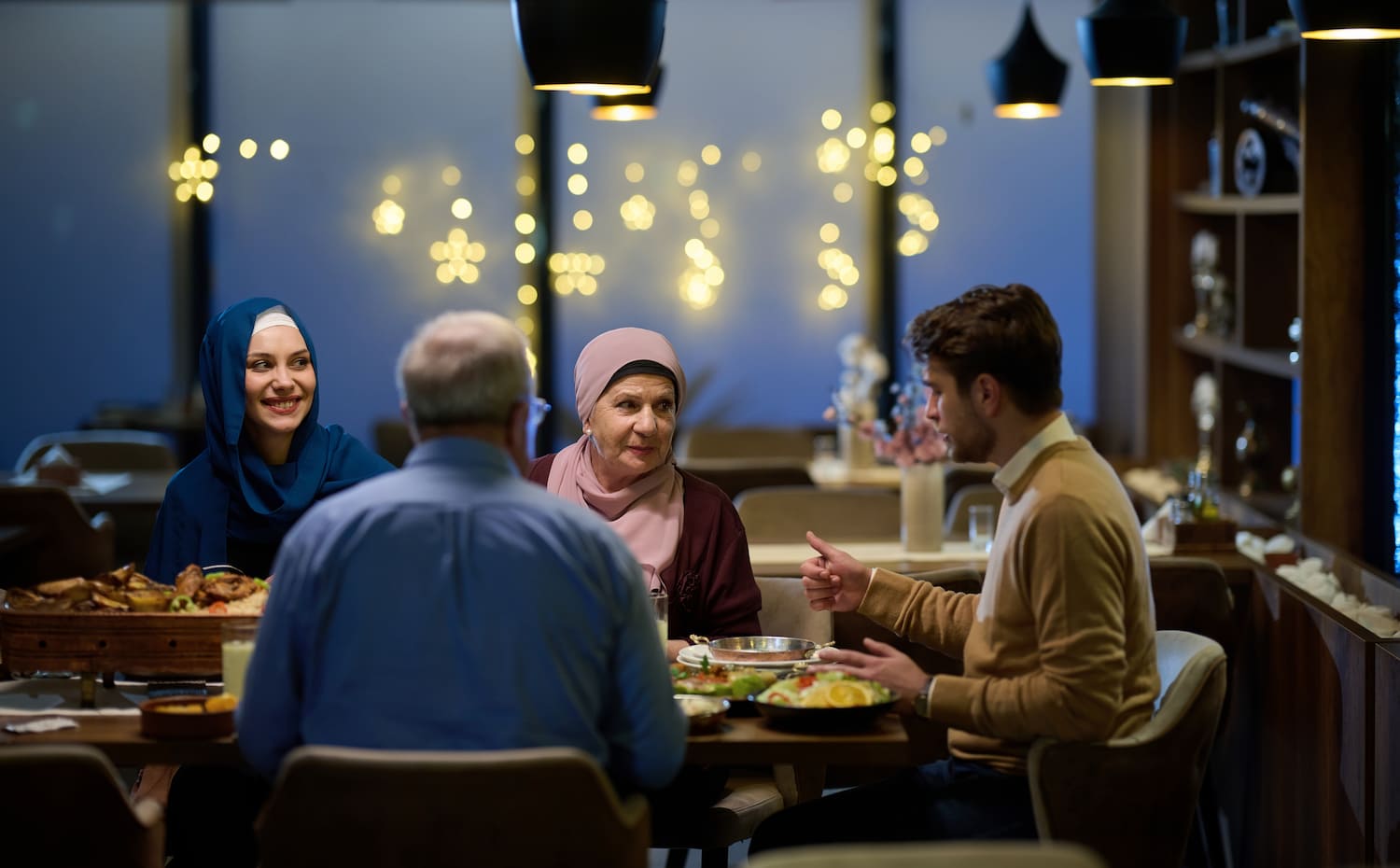
Throughout this month, Muslims engage not only in fasting but also in increased prayer, reflection, and community involvement. Muslims worldwide partake in Iftar, the evening meal to break the fast, which becomes a time for families and friends to gather, share meals, and reflect on their spiritual journey.
Significance for Readers
The significance of knowing ‘tanggal puasa’ is multifaceted. For non-Muslims, awareness of Ramadan can cultivate understanding and respect for Islamic traditions and practices. For Muslims, it serves as a timely reminder to prepare spiritually, organize community events, and set goals for personal growth during Ramadan.
As 2026 approaches, individuals and communities are encouraged to begin their preparations, which could include planning Iftar events, volunteering for charity, and setting personal reflections goals. The upcoming Ramadan is not just a time of fasting but also an opportunity for inclusivity, generosity, and reinforcement of faith. Cultivating a deeper understanding of ‘tanggal puasa’ can enhance community bonds and promote a sense of unity among people of all backgrounds.
Conclusion
As we look forward to Ramadan in 2026, it is crucial for both Muslims and the broader community to acknowledge the importance of these dates. The period of fasting holds deep spiritual meaning and creates an opportunity for reflection and community bonding. As Ramadan draws near, may it inspire kindness, gratitude, and a stronger sense of togetherness.