Introduction
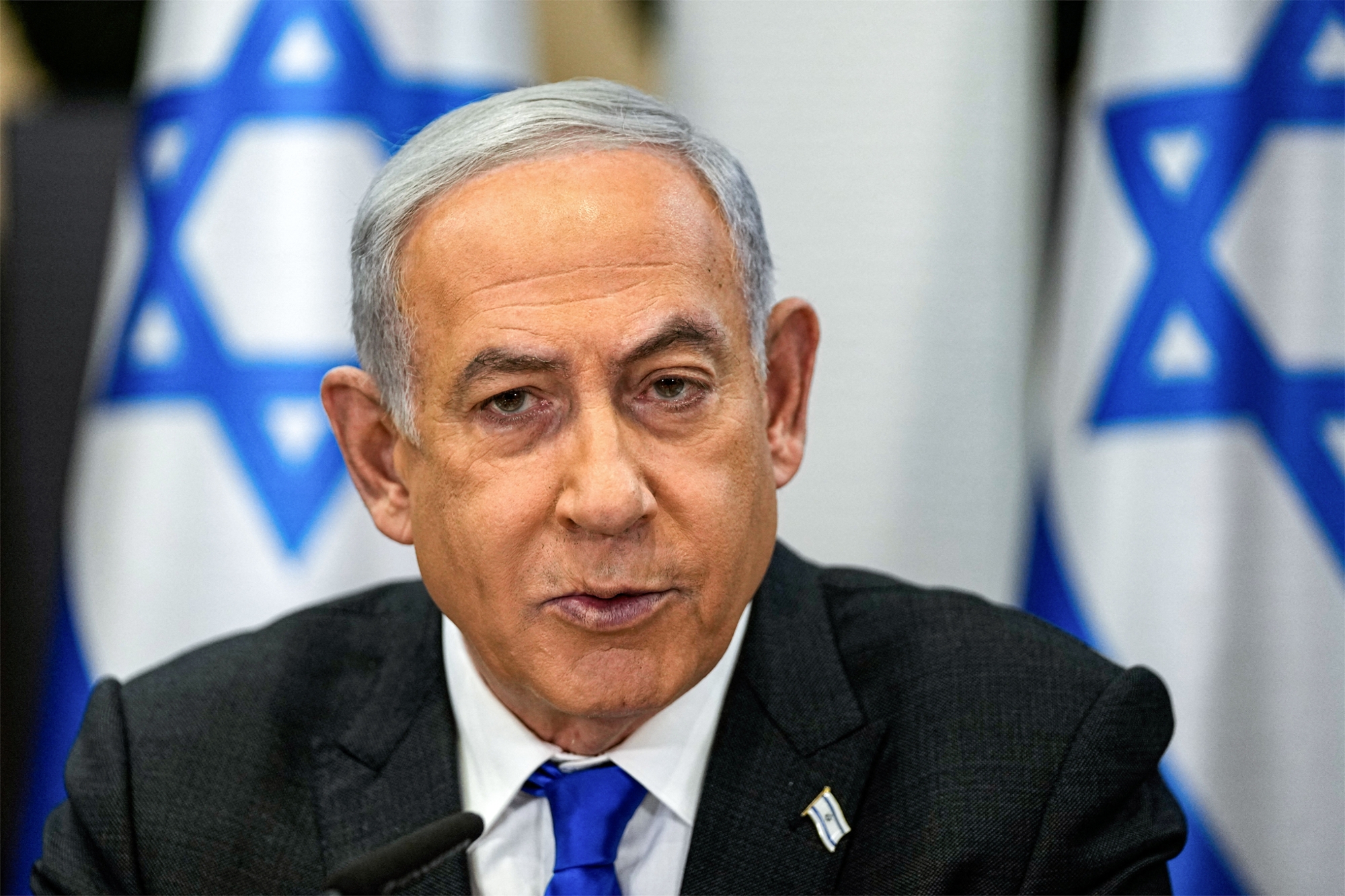
Benjamin Netanyahu, the long-serving Prime Minister of Israel, has been a significant figure in both Israeli politics and international relations for several decades. His recent return to power has sparked widespread discussion and debate, given the current geopolitical climate and ongoing tensions in the Middle East. Understanding Netanyahu’s policies and approaches is crucial for grasping the future direction of Israel and its interactions with other nations.
Current Political Landscape
As of late 2023, Netanyahu is leading a right-wing coalition government, which includes several nationalist and religious parties. His administration has been marked by a decisive focus on security, especially concerning Iran and its influence in the region. Netanyahu has consistently viewed Iran as a primary threat to Israel’s existence, taking a hardline stance that has often resulted in military and diplomatic tensions.
Controversies and Challenges
Netanyahu’s tenure has not been without challenges and controversies. He is currently facing ongoing corruption trials related to bribery and fraud, which have polarized public opinion. Meanwhile, his government’s policies regarding the Palestinian territories continue to provoke significant international criticism and affect relations with several nations. Recent events have seen escalated violence in Gaza and heightened tensions in the West Bank, raising concerns about a potential resurgence of conflict.
International Relations
The Israeli-Palestinian conflict remains one of the critical issues under Netanyahu’s leadership. His administration’s reluctance to engage in meaningful peace negotiations has drawn ire, not only from Palestinians but also from various global leaders and organizations. Nevertheless, Netanyahu has been successful in fostering new diplomatic relationships with other Arab nations, significantly altering the Middle Eastern landscape, as seen in the Abraham Accords. These agreements have opened new channels for trade and cooperation, although the core issues of the Israeli-Palestinian conflict remain unresolved.
Conclusion
As Netanyahu continues to navigate the complex challenges of leadership in Israel, his decisions carry significant weight not only domestically but internationally as well. With elections potentially looming and ongoing tensions in the region, observers are watching closely to see how he will handle these crises and what future policies will emerge. The implications of his governance are profound, influencing not just Israel’s trajectory but also the larger geopolitical dynamics in the Middle East. For readers and analysts alike, understanding Netanyahu’s strategies will be essential in predicting the next phase of Israeli politics and its effects worldwide.