Introduction
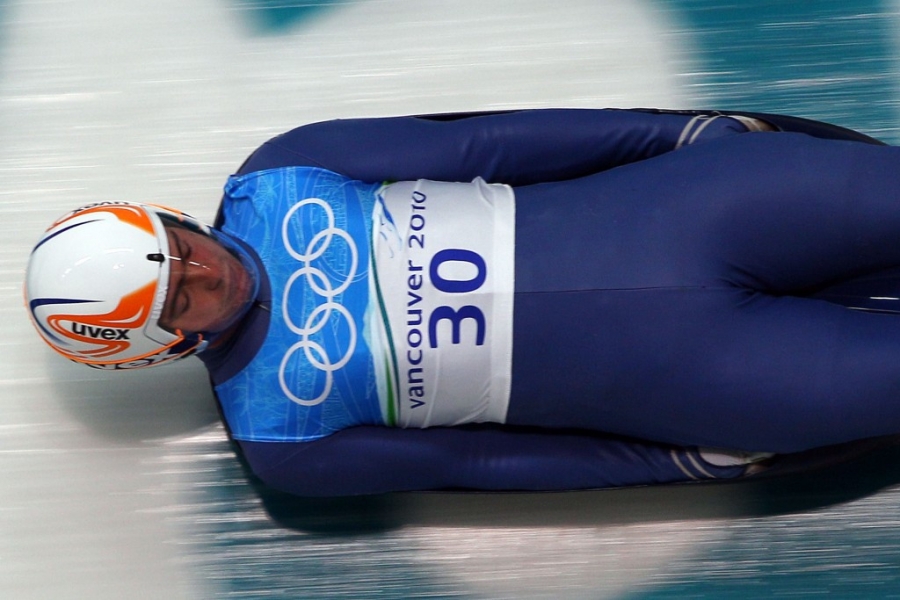
Nodar Kumaritashvili was a notable figure in the world of winter sports, representing Georgia as a luge athlete. He gained international recognition not just for his athletic prowess but also for the tragic events that unfolded during the 2010 Vancouver Winter Olympics. Kumaritashvili’s story is relevant today as it underscores the critical issues of athlete safety and regulatory measures in high-speed sports.
Early Life and Career
Kumaritashvili was born on December 16, 1988, in Borjomi, Georgia. He began his luge training at a young age and quickly rose through the ranks to compete at the international level. His skills on the track were evident as he participated in various championships, showcasing his potential as a future star in the sport.
The Tragic Incident
On February 12, 2010, during a training run for the Vancouver Olympics, Kumaritashvili suffered a fatal accident while navigating the Whistler Sliding Centre track. He lost control and was thrown from his sled, colliding with a steel pole. This heartbreaking incident shocked the sports world and raised immediate concerns about the safety measures in place at Olympic venues. The track was acknowledged as one of the fastest luge tracks, raising questions about its design and the potential risks to athletes.
Impact on Sports Safety Regulations
The tragedy of Kumaritashvili led to significant changes in the safety regulations for winter sports. Following the accident, there was an intensified focus on improving track safety and establishing stricter guidelines for sports organizations. The International Luge Federation and the International Olympic Committee committed to enhancing safety features on tracks, including better barriers and padding to protect athletes from injuries. Kumaritashvili’s story became a rallying point for advocates pushing for safer conditions in all forms of competitive sliding sports.
Conclusion
Nodar Kumaritashvili’s legacy extends beyond his impressive skills as a luger; it lies in the vital conversations surrounding athlete safety that his tragic death sparked. As winter sports evolve, the importance of stringent safety regulations cannot be overstated. His story continues to remind us of the risks athletes take and the responsibilities of governing bodies to protect them. Looking ahead, it is imperative that as thrill-seeking sports enthusiasts celebrate courage and speed, they also advocate for the highest safety standards to prevent further tragedies.