Introduction
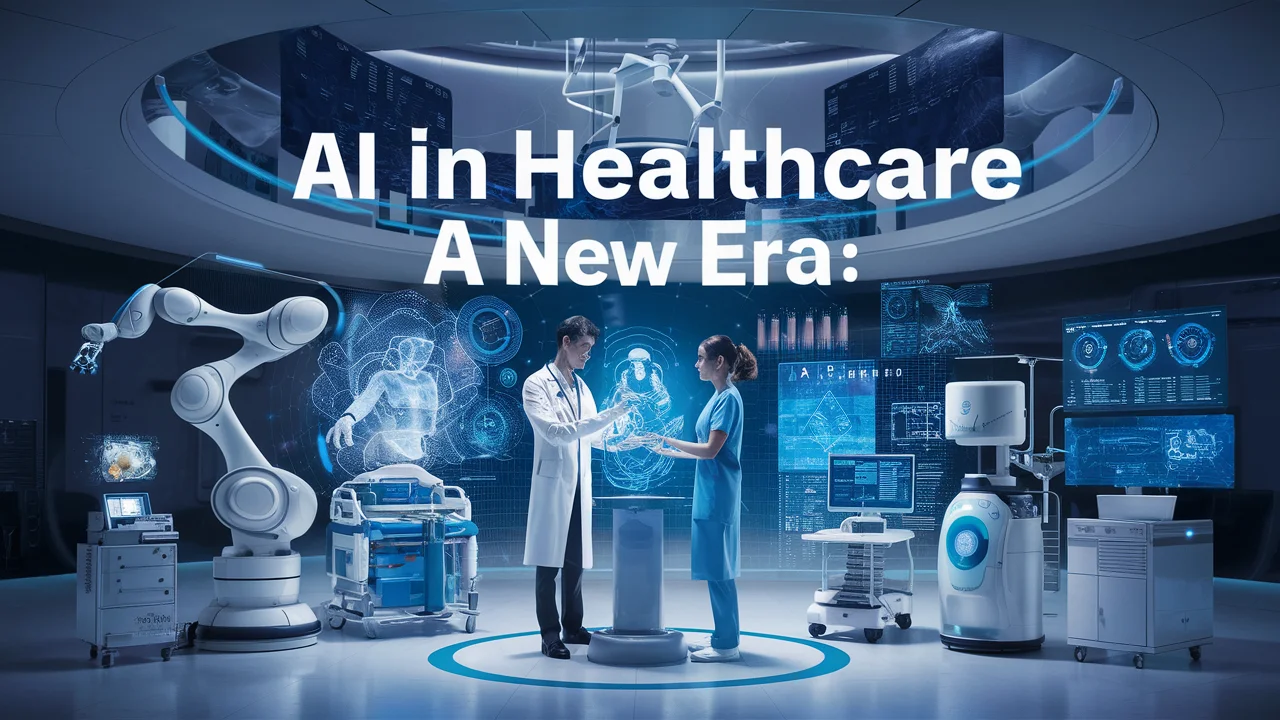
Artificial Intelligence (AI) in healthcare has emerged as a critical technology, reshaping patient care, diagnostics, and treatment methods across the globe. With the need for efficient and accurate healthcare solutions becoming increasingly vital, AI is playing a pivotal role in enhancing healthcare delivery for both providers and patients. This transformative technology streamlines operations, improves outcomes, and helps mitigate the challenges posed by rising healthcare demands.
Current Trends and Applications
Recent developments in AI technology have led to its integration across various facets of healthcare. Machine learning algorithms are now utilized in diagnostic procedures, such as radiology and pathology, allowing for faster and more accurate analysis of medical images. Notably, studies have indicated that AI can outperform human radiologists in identifying certain cancers, helping to catch diseases at earlier and more treatable stages.
Moreover, AI-powered tools are increasingly being employed in personalized medicine. By analyzing patient data, including genetics and lifestyle, AI systems can recommend tailored treatment plans that are more effective than traditional methods. Additionally, virtual health assistants, driven by AI, provide patients with support and information, improving patient engagement and adherence to treatment.
Significant Events and Research
The COVID-19 pandemic accelerated the adoption of AI in healthcare, with numerous research initiatives focused on utilizing AI to manage the crisis. For example, AI systems were leveraged to track the spread of the virus, predict potential outbreaks, and streamline vaccine distribution logistics. Organizations like IBM Watson Health have been at the forefront, collaborating with healthcare institutions to harness real-time data during the pandemic.
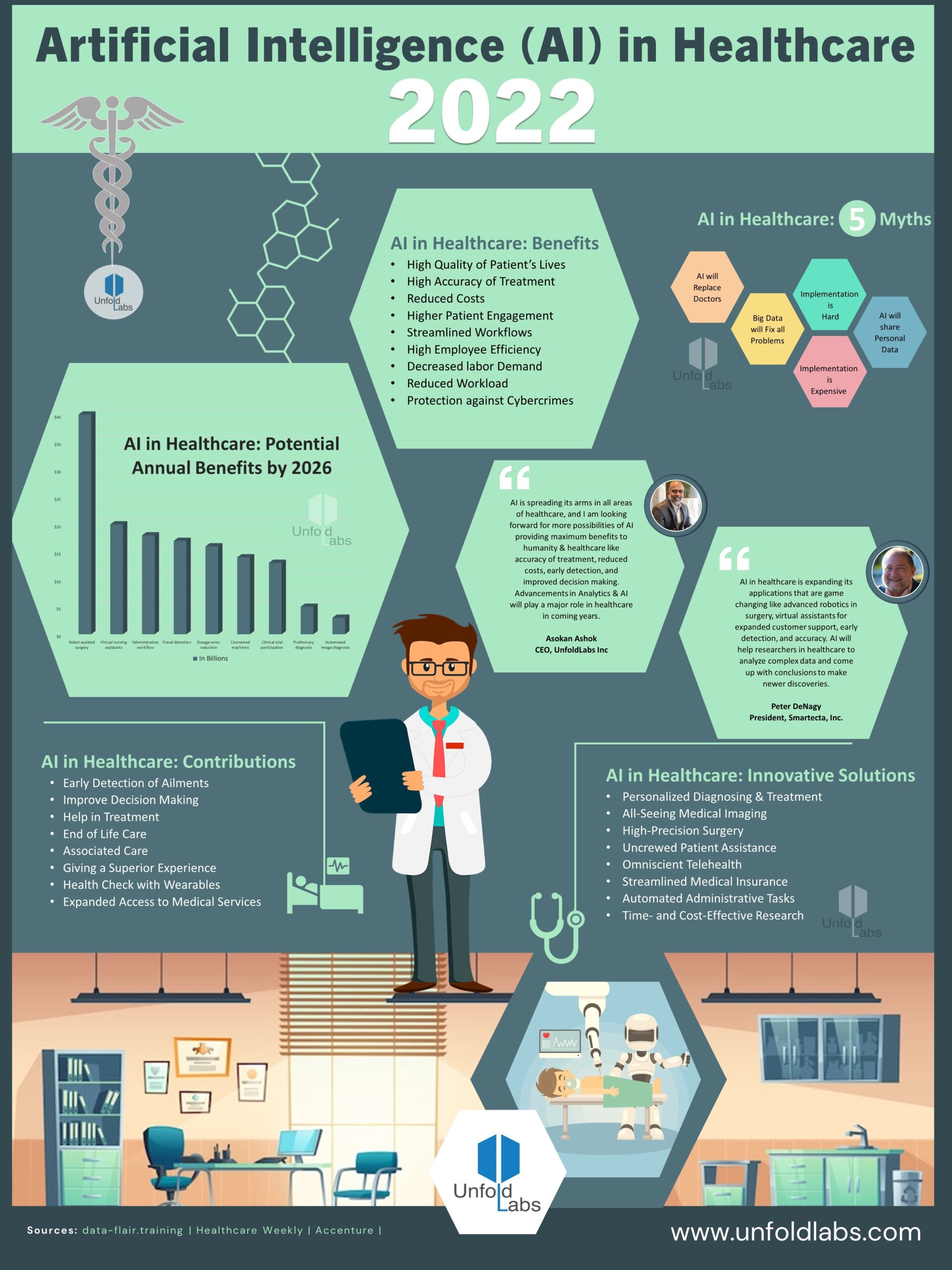
According to a report by Accenture, AI applications in healthcare could create up to $150 billion in annual savings for the United States healthcare economy by 2026. This figure illustrates the economic benefits of integrating AI solutions in administrative tasks, patient monitoring, and remote care.
Challenges and Considerations
Despite its significant advantages, implementing AI in healthcare also comes with challenges. Issues surrounding data privacy, ethical considerations, and the need for extensive training for staff on new technologies present obstacles that must be addressed. Ensuring that AI systems are unbiased and operate transparently is crucial to maintaining patient trust and safety.
Conclusion
The integration of AI in healthcare represents a groundbreaking shift in how medical care is delivered. As technology continues to evolve, the potential for improved patient outcomes, reduced costs, and enhanced operational efficiency becomes clearer. Moving forward, stakeholders in the healthcare industry must remain vigilant in addressing the challenges that accompany these advancements while embracing the opportunities AI presents. The future of healthcare appears to be inextricably linked with artificial intelligence, promising a new era of medical innovation and improved patient care.