Introduction
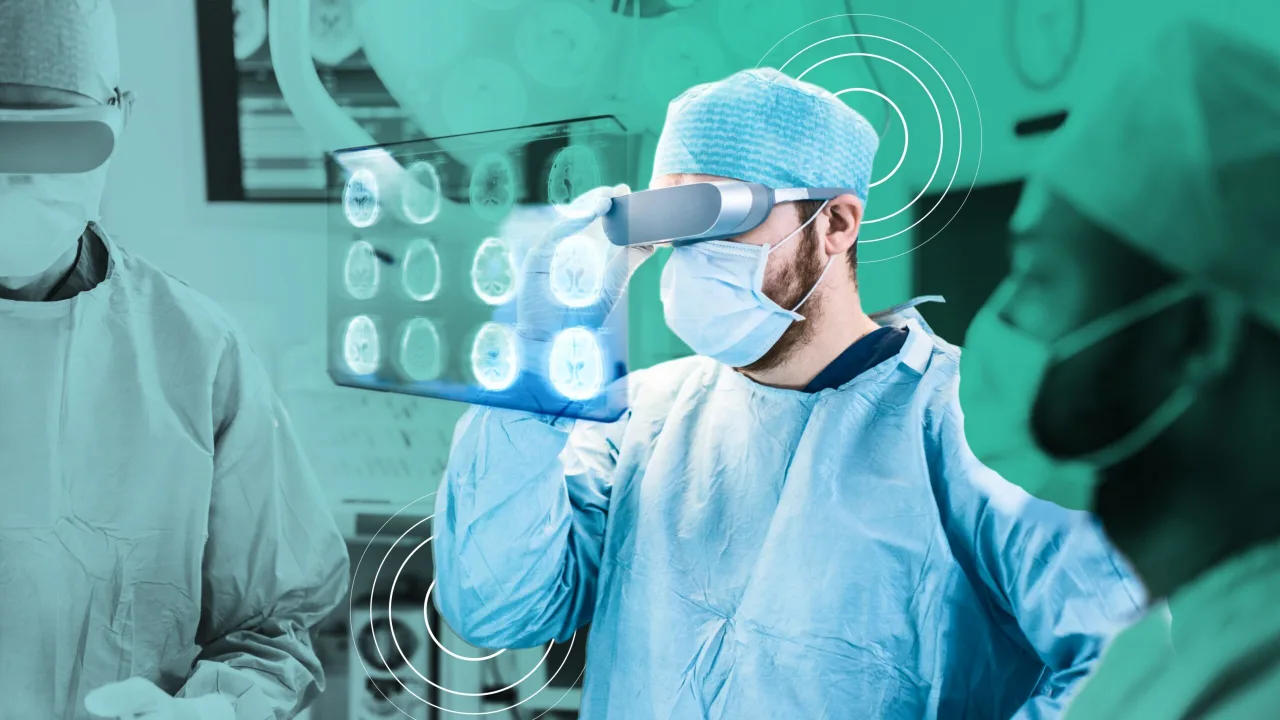
Artificial intelligence (AI) has emerged as a transformative force in numerous sectors, and healthcare is no exception. With the potential to improve patient outcomes, reduce costs, and streamline operations, AI technologies are rapidly being integrated into healthcare systems worldwide. The relevance of this shift cannot be overstated, as it not only enhances efficiency but also empowers medical professionals with advanced tools for better decision-making.
Advancements in AI Technologies
Recent advancements in AI, particularly machine learning and natural language processing, are enabling healthcare providers to analyze vast amounts of data with unprecedented speed and accuracy. For instance, algorithms are now capable of diagnosing diseases from imaging data more reliably than some human experts. A recent study published in the journal Nature indicated that AI systems could outperform radiologists in identifying breast cancer in mammograms, achieving an accuracy rate of over 94%.
Applications of AI in Healthcare
AI applications in healthcare range from predictive analytics to personalized medicine. Predictive analytics helps in anticipating disease outbreaks and managing patient care more effectively. For example, AI tools are now being used to identify patients at higher risk for conditions like diabetes based on their medical history and lifestyle choices.
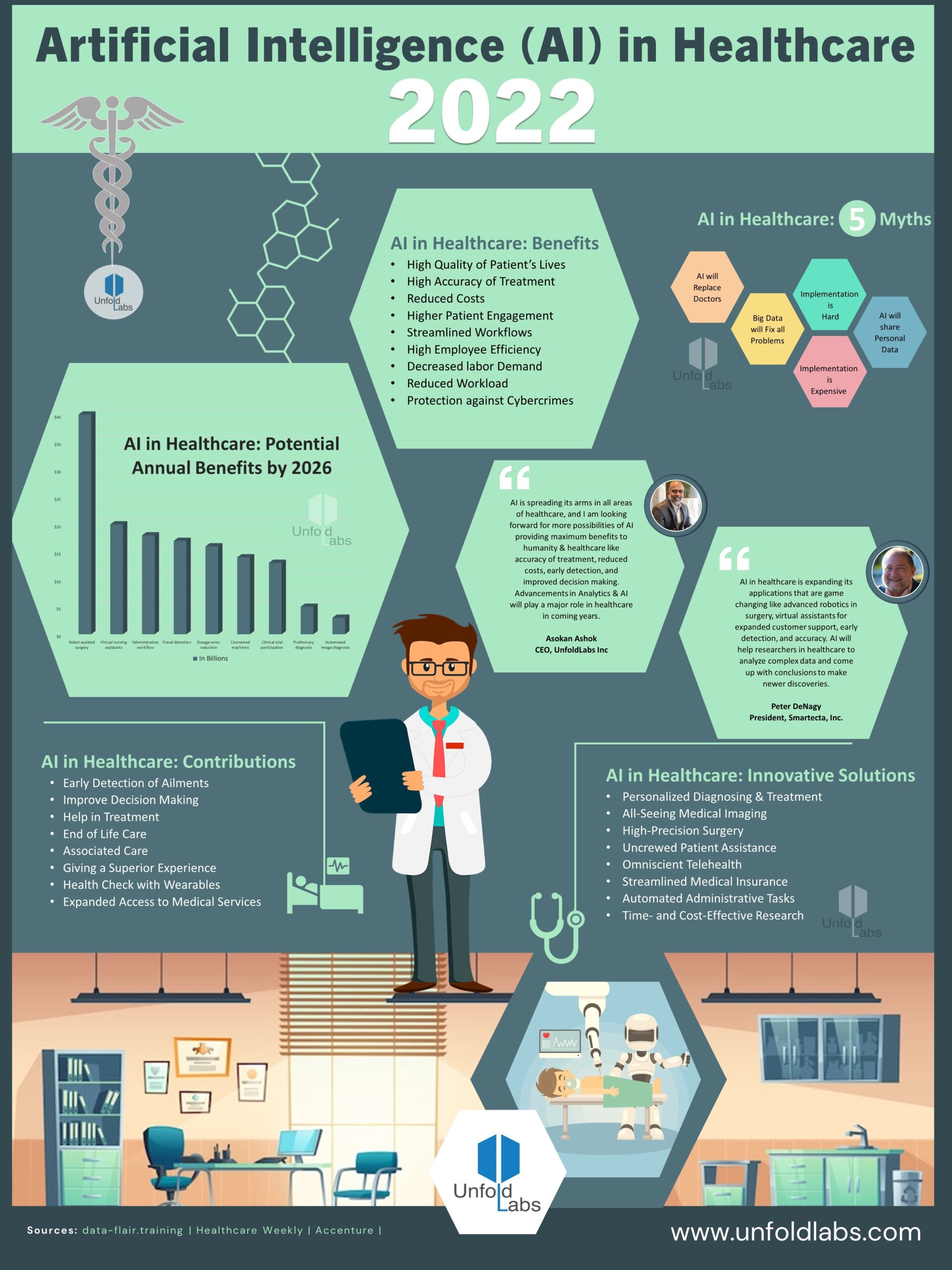
Moreover, AI is enhancing personalized medicine by tailoring treatment plans to individual patients. Machine learning algorithms analyze genetic information, medical history, and other factors to predict which therapies may work best for a specific patient. According to a report by Accenture, the adoption of AI in healthcare could save the U.S. healthcare system over $150 billion annually by 2026.
Challenges and Considerations
Despite the promising advancements, the implementation of AI in healthcare is not without challenges. Concerns regarding data privacy, ethical use of AI, and the need for regulatory frameworks are critical topics that stakeholders must address. The integration of AI must also consider the perspectives of healthcare professionals to ensure acceptance and effective utilization of these technologies.
Conclusion
The integration of AI in healthcare represents a significant leap forward, offering innovative solutions that can drastically improve patient care and operational efficiency. As technologies continue to evolve, ongoing collaboration between AI developers, healthcare providers, and policymakers will be essential to surmount barriers and harness the full potential of AI. For readers, staying informed on these developments can provide insights into how future healthcare may be shaped by AI interventions, ultimately leading to better health outcomes for society at large.