Introduction
Curling is a popular winter sport that has gained significant attention and participation worldwide, especially during the Winter Olympics. At the heart of this game lies the curling stone, a critical element that has a unique design and purpose. Understanding the features and relevance of the curling stone can deepen one’s appreciation for the sport, as it plays a vital role in the strategy and gameplay.
What is a Curling Stone?
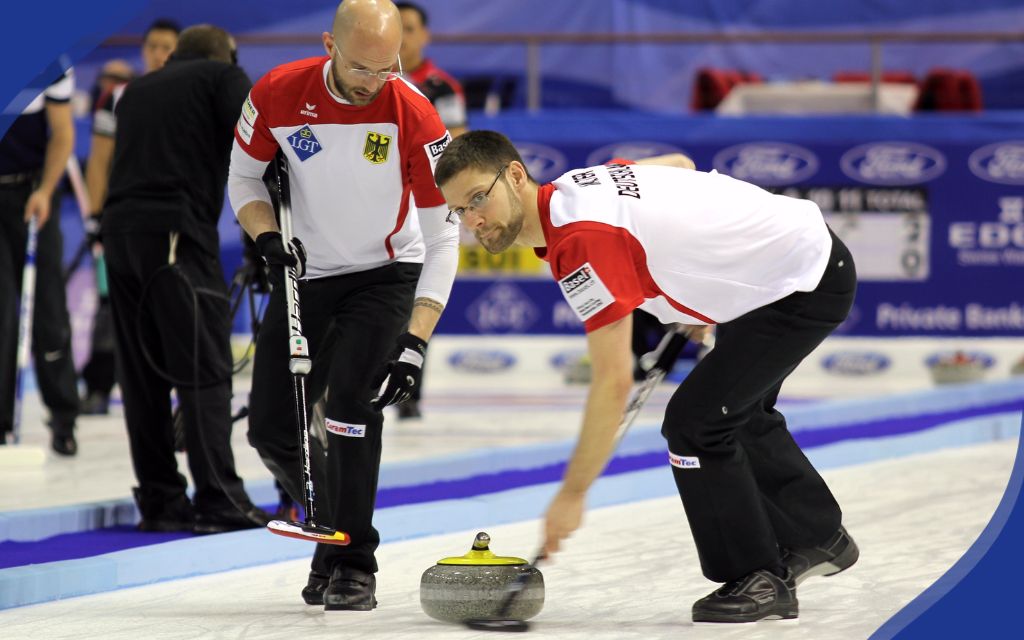
A curling stone is an oval-shaped granite rock that weighs between 38 and 44 pounds. Each stone has a diameter of about 11 inches with a concave bottom, allowing it to slide smoothly over the ice when launched by a player. The traditional material used for making curling stones is blue hone granite, sourced predominantly from Scotland. This particular type of granite is selected not only for its durability but also for its unique properties that provide excellent performance during play.
Evolution and Standards
Over the years, curling stones have evolved in terms of technology and design. The World Curling Federation (WCF) regulates the use and specifications of curling stones, ensuring consistency in competition. In recent years, advances in production techniques have led to the creation of optimized stone edges, which enhance the accuracy and precision of play. Each stone’s handle is designed to suit the player’s grip, making comfort and control paramount during the game.
Curling Stones in Competitive Play
During competitive events, each team uses a set of curling stones. The colors and handles differ to distinguish between the teams. A well-thrown stone can travel several yards toward the target area known as the “house”. Players must strategize carefully, accounting for the speed, weight, and trajectory of the stone as well as the potential impact of sweeping on the stone’s path. Sweeping can influence the distance and direction, making the curling stone not just a passive object, but a dynamic participant in the game.
Conclusion
The curling stone might seem like a simple rock at first glance, but it is a complex tool that embodies the skill and strategy of curling. As the sport continues to grow in popularity, understanding the curling stone’s design and function can help fans engage more deeply in the sport. With each Olympic cycle, innovations and heightened awareness around curling stones promise to enhance both competition and spectation, making curling not just a game but an engaging spectacle for audiences worldwide.