Introduction
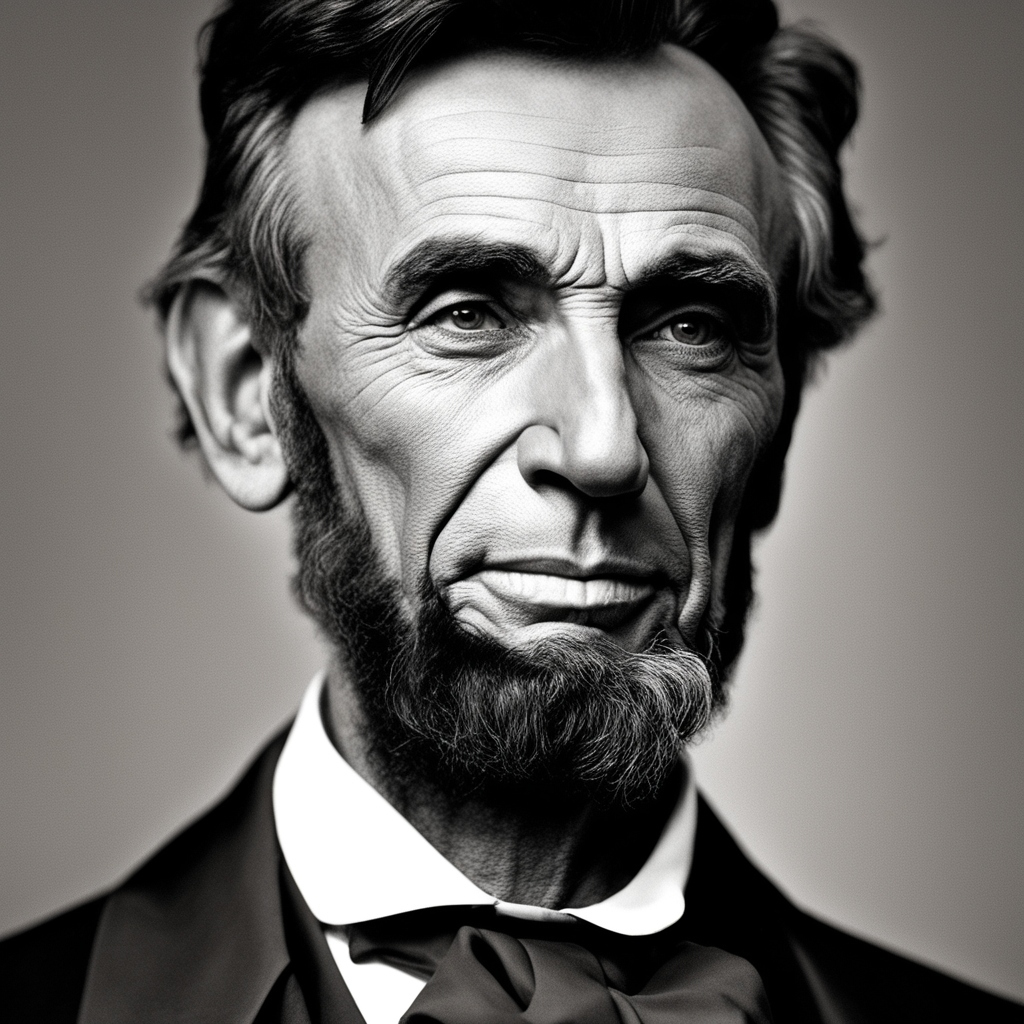
Abraham Lincoln, the 16th president of the United States, remains one of the most significant figures in American history. His leadership during the Civil War and his efforts to abolish slavery are pivotal in understanding the evolution of the nation. The relevance of Lincoln’s legacy continues to resonate today, as discussions about equality, democracy, and civil rights are ever-present in contemporary society.
Early Life and Rise to Politics
Born on February 12, 1809, in Hardin County, Kentucky, Lincoln was raised in a poor family, which greatly influenced his character. He was largely self-educated and worked various jobs, eventually launching his political career in Illinois. His debates with Stephen A. Douglas in 1858, particularly on the issues of slavery, garnered national attention and helped establish him as a prominent figure in the Republican Party.
The Presidency and the Civil War
Lincoln was elected president in 1860, a time when the country was deeply divided over the issue of slavery. His election led to the secession of several Southern states and the onset of the Civil War. Throughout the war, Lincoln displayed remarkable leadership, navigating through turmoil and making crucial decisions that would shape the nation’s future.
The Emancipation Proclamation, issued on January 1, 1863, was one of Lincoln’s most significant acts, declaring that all slaves in the Confederate states would be free. This not only redefined the war’s purpose but also positioned him as a symbol of freedom and change.
Assassination and Impact
Lincoln’s presidency was tragically cut short when he was assassinated by John Wilkes Booth on April 14, 1865, just days after the Confederate surrender. His death stunned the nation and marked a pivotal moment in American history. The assassination transformed him into a martyr for the cause of freedom and justice, reinforcing the principles he had fought for during his administration.
Conclusion
Today, Abraham Lincoln’s legacy is celebrated through numerous memorials and dedications across the United States. His commitment to unity and the principles of democracy continues to inspire leaders and citizens alike. As discussions about equity and justice evolve, Lincoln’s vision remains a guiding light, reminding us of the enduring importance of striving for a more just society. His life and work serve not only as a historical account but as a lesson for future generations about the significance of leadership in times of crisis.