Introduction
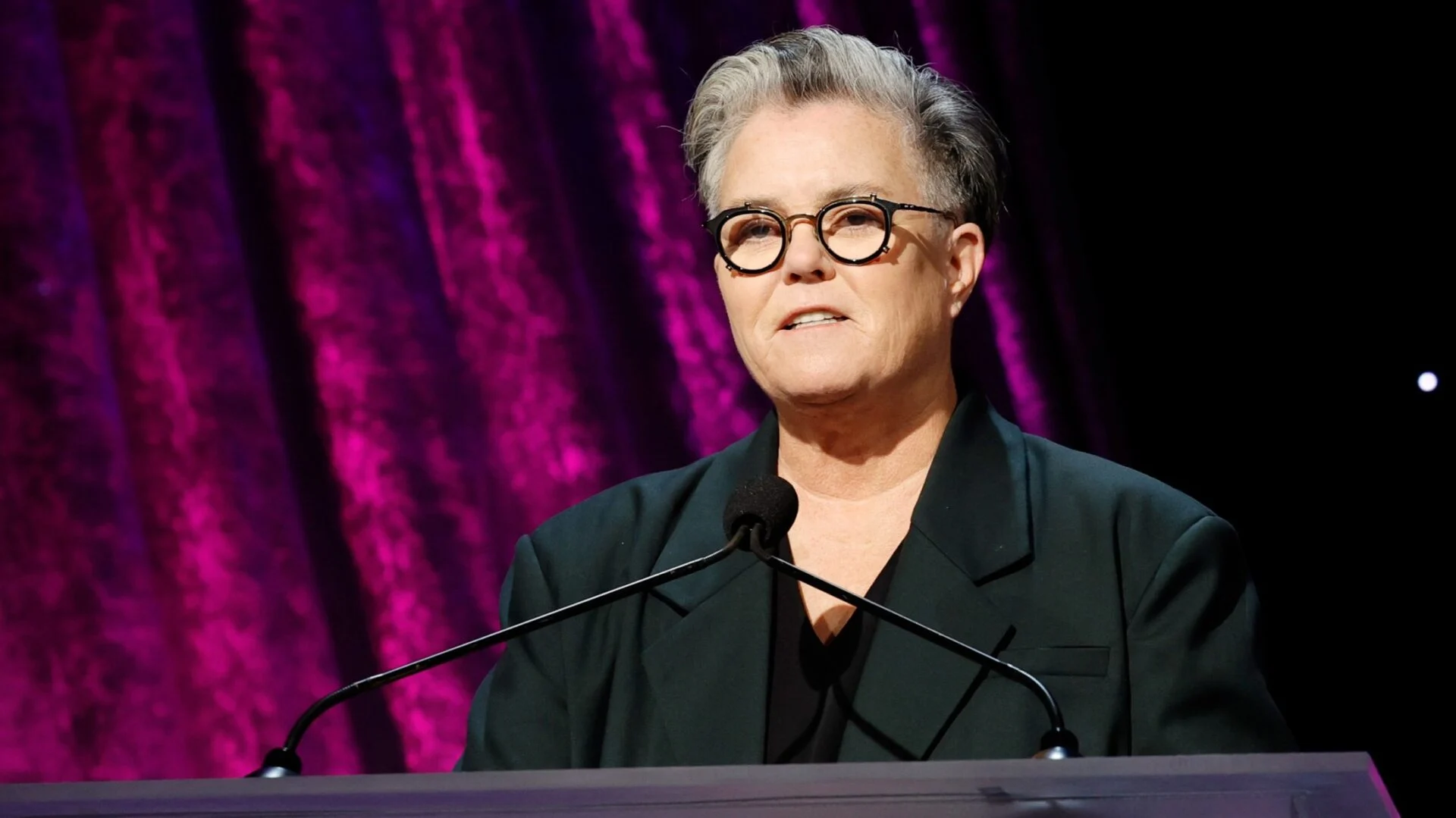
Rosie O’Donnell is a prominent figure in American entertainment, known not only for her humor and comedic talent but also for her activism and candid discussions on social issues. Born on March 21, 1962, O’Donnell rose to fame in the 1990s as the host of ‘The Rosie O’Donnell Show,’ which became a platform for promoting various charitable causes and discussing relevant cultural topics. In recent years, her outspoken nature has continued to resonate with audiences, making her a significant public figure.
Career Highlights
O’Donnell’s career began in stand-up comedy, where her unique style and relatability quickly captured the attention of audiences nationwide. Her daytime talk show, which aired from 1996 to 2002, was highly acclaimed, winning multiple Emmy Awards. The show was known for its engaging interviews and heartfelt segments, where O’Donnell invited various guests, including celebrities and everyday heroes.
In addition to her successful television career, O’Donnell has also made her mark in film and theater. Notable movie roles include performances in ‘A League of Their Own,’ ‘The Flintstones,’ and ‘Sleepless in Seattle.’ Beyond acting, she has authored several books and has been a vocal advocate for LGBTQ+ rights, health care, and children’s welfare.
Activism and Advocacy
O’Donnell’s impact extends far beyond entertainment, as she has been an ardent advocate for numerous social causes. Her commitment to working with children led to the establishment of the Rosie’s Theater Kids initiative, which provides opportunities for youth in the arts. Moreover, she has been an outspoken critic of various political administrations and policies that she deems harmful, especially regarding issues like mental health and gun control.
Recent Developments
In 2023, Rosie O’Donnell continues to be involved in entertainment, participating in various television projects and stage performances. Her podcast, ‘Onward,’ showcases her conversations with guests, allowing her to delve deeply into current issues and the creative process. Through her social media platforms, she remains actively engaged with her followers, often sharing her thoughts on pressing national matters.
Conclusion
Rosie O’Donnell’s multifaceted career and her dedication to social change have solidified her legacy as both a beloved entertainer and a passionate activist. As she continues to evolve her career, her influence will likely remain significant in shaping conversations around entertainment and important societal issues. For readers, O’Donnell serves as an enduring inspiration, illustrating how the intersection of comedy and activism can create powerful change.