Introduction
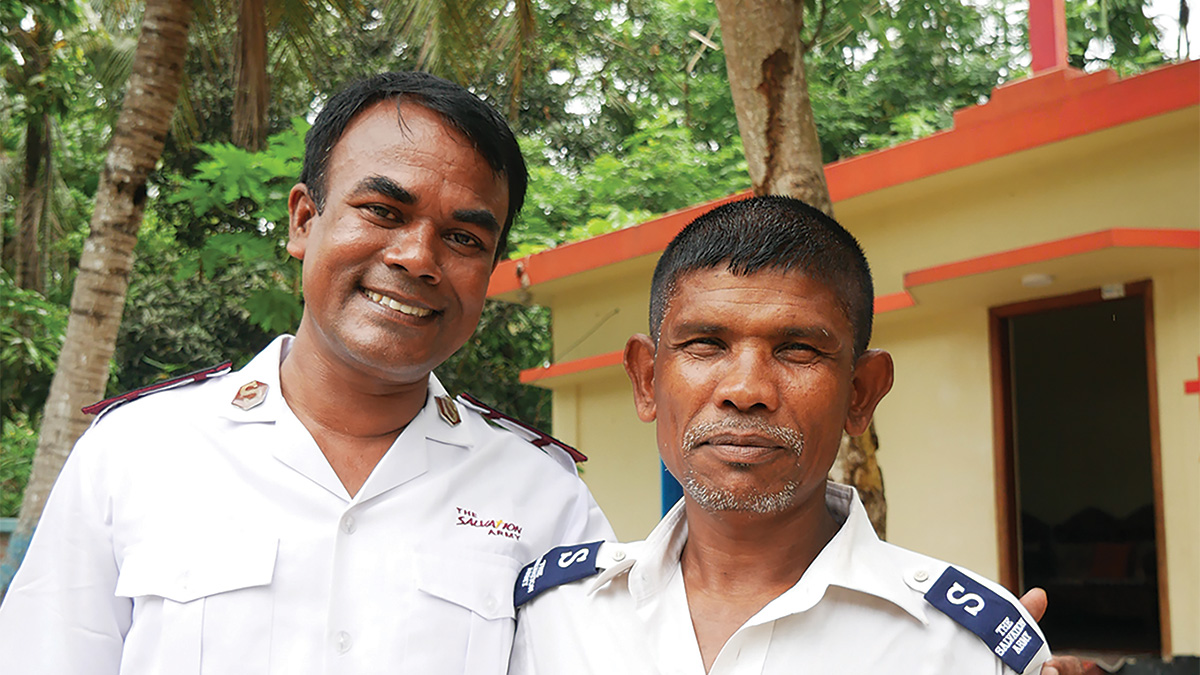
The Salvation Army, established in 1865, has become a crucial player in providing humanitarian aid and social services across the globe. With its mission rooted in serving the needy and marginalized, the organization remains highly relevant today, especially as communities navigate challenges such as poverty, natural disasters, and social isolation. In recent months, the Salvation Army has stepped up its efforts to address these pressing issues, reaffirming its role as a beacon of hope in many lives.
Current Activities and Impact
In the aftermath of recent natural disasters, including hurricanes and wildfires, the Salvation Army has mobilized countless resources to assist affected communities. By providing emergency shelters, food, and counseling services, the organization has reached thousands of individuals in need. For instance, during the hurricane season this year, the Salvation Army deployed mobile kitchens and disaster response teams to deliver meals and essential supplies. Reports indicate they served over 300,000 meals within just a few weeks of the disasters.
Moreover, beyond immediate disaster relief, the Salvation Army emphasizes long-term community support through its various programs aimed at alleviating poverty. These initiatives include job training programs, housing assistance, and substance abuse rehabilitation, designed to help individuals achieve self-sufficiency. According to their annual report, the Salvation Army assisted over 1.5 million people with housing and financial support last year alone.
Volunteering and Community Involvement
The organization’s efforts rely heavily on the dedication of volunteers and community partners. As of 2023, over 1 million volunteers have contributed time and skills to help the Salvation Army fulfill its mission. This community involvement not only enhances the delivery of services but also fosters a sense of unity and support within neighborhoods. Local campaigns encouraging community members to volunteer or donate have seen considerable success, especially during the holiday season with initiatives like the Red Kettle Campaign, which raises funds for the charity’s year-round programs.
Conclusion
The Salvation Army continues to be a pillar of support in times of crisis and a vital resource in the ongoing fight against poverty. As we move forward, the organization’s strategy to enhance community engagement and expand its outreach remains crucial. With projections suggesting an increase in the need for social services due to economic challenges, the role of organizations like the Salvation Army is expected to grow even more significant. For readers, becoming involved, whether through volunteering, donating, or simply raising awareness, can make a profound difference in the lives of those in need and contribute to building stronger communities for everyone.