Introduction
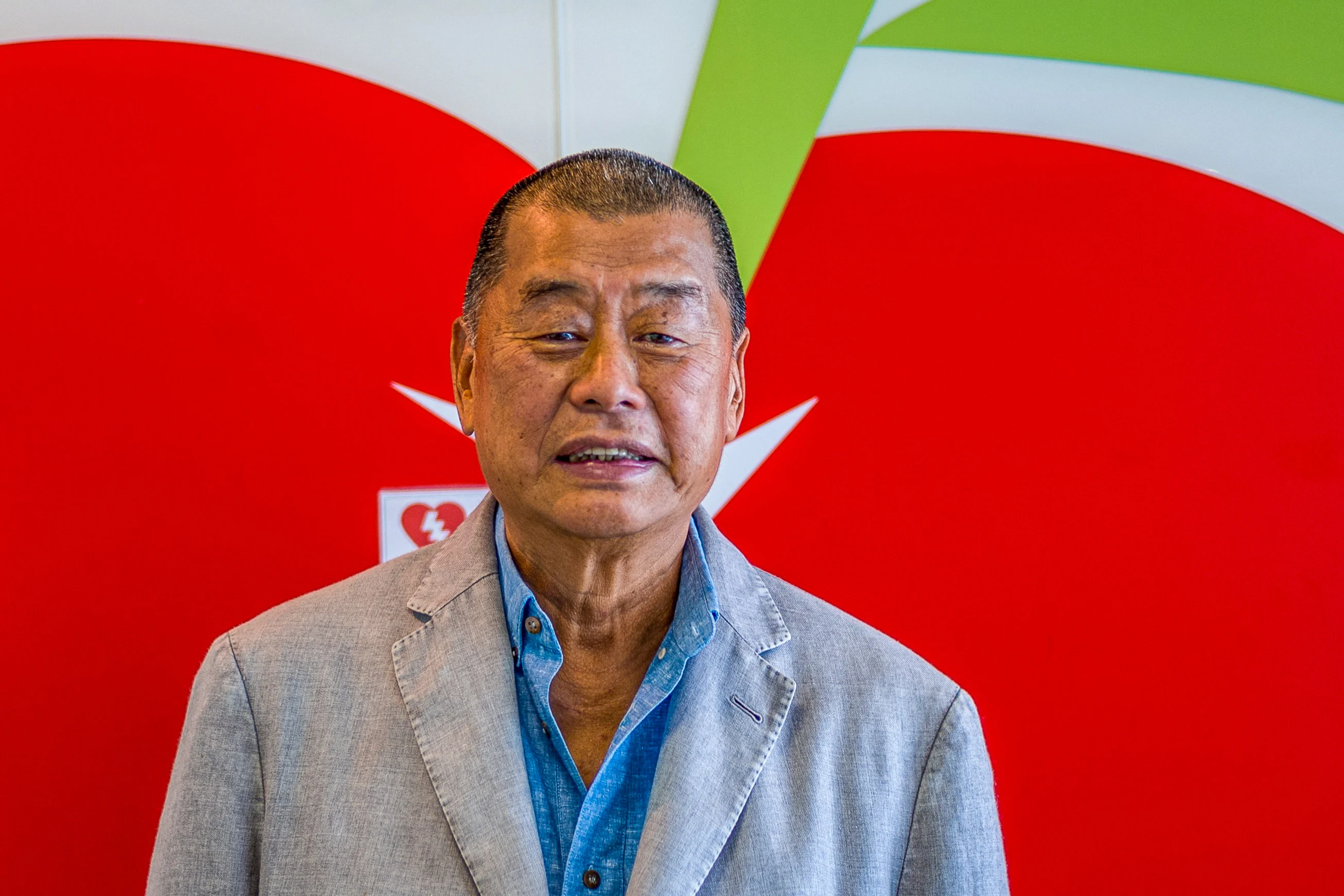
Jimmy Lai, the founder of the Hong Kong-based tabloid Apple Daily, has emerged as a symbol of the ongoing struggle for press freedom in the face of mounting political pressures within China’s Special Administrative Region. His case underscores the significant challenges faced by media organizations as they navigate the implications of stringent national security laws imposed by Beijing.
Recent Developments
In recent months, Lai has been at the center of a high-profile legal battle, marked by accusations of foreign collusion and sedition. Following his arrest in 2020, Lai was charged under the National Security Law, which has been widely criticized for curtailing freedoms in Hong Kong. Despite these challenges, he has continued to advocate for democratic values and a free press, prompting international support and condemnation of the Hong Kong government’s actions.
In late September 2023, Lai’s appeal for bail was denied once again, a decision upheld by the Hong Kong High Court. This ruling sparked widespread protests among activists and supporters of press freedom, demonstrating the public’s concern over the government’s crackdown on dissent. Many view Lai’s situation as a direct attack on journalism and the fundamental rights of Hong Kong’s citizens.
Global Reaction and Support
The international community has rallied around Lai in the face of his legal struggles. Organizations such as Reporters Without Borders and the Committee to Protect Journalists have called for his release, labeling him a political prisoner. The U.S. government has also expressed its concern, urging the Chinese authorities to respect human rights and allow independent media to operate without fear of persecution.
Conclusion
Jimmy Lai’s ongoing fight draws attention to the shrinking space for free speech in Hong Kong and the global implications of such a trend. As Lai remains imprisoned, the world watches closely, and his case could serve as a litmus test for the future of political freedoms in the region. The pressing question remains: will the global outcry lead to meaningful change, or is the tightening grip of authoritarianism in Hong Kong destined to prevail? In the coming months, the outcomes of Lai’s legal challenges may significantly affect not only the local media landscape but also broader international human rights discussions.