Introduction
As the newest generation to enter adulthood, Generation Z (born approximately between 1997 and 2012) is having a profound impact on society, culture, and the economy. With over 68 million individuals in the U.S. alone, understanding the values, behaviors, and trends of Gen Z is crucial for businesses, marketers, and policymakers alike. Their digital savviness, social consciousness, and desire for authenticity are reshaping industries in ways that previous generations have not.
Key Characteristics of Gen Z
Gen Z is known for being the first true digital natives, having grown up with smartphones, social media, and constant connectivity. This generation prioritizes online communication and values creativity and self-expression. A study by McKinsey & Company found that 60% of Gen Z prefers video content over traditional media, indicating a shift in how information is consumed. Furthermore, they are more diverse than previous generations: 48% identify as non-white, and many are advocates for social justice and equality.
Influence on Consumer Behavior
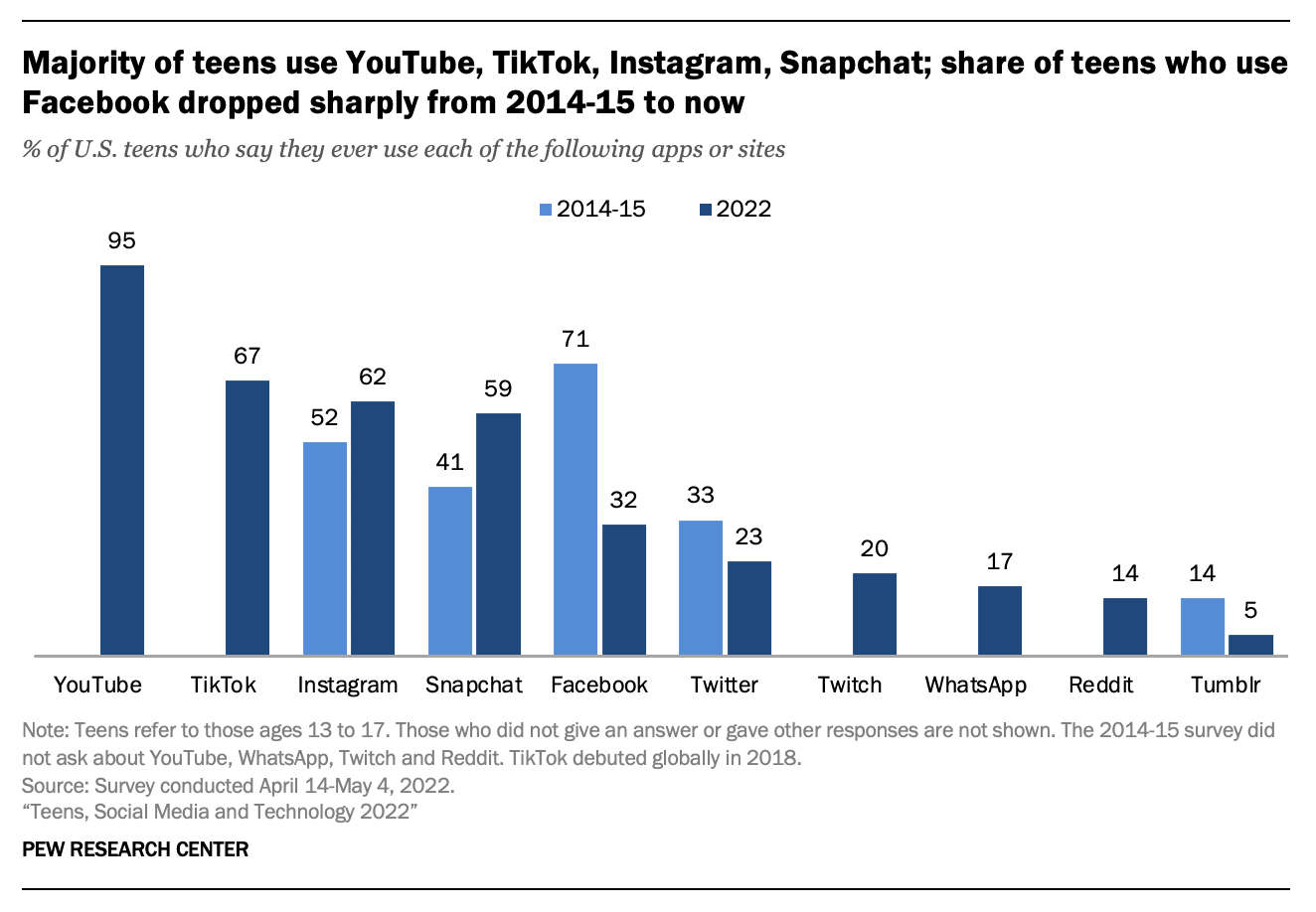
When it comes to consumer behavior, Gen Z is significantly different from Millennials. They tend to be more pragmatic, often seeking value and quality over mere brand loyalty. According to a survey by Nielsen, 75% of Gen Z respondents are willing to pay more for sustainable products. This has prompted brands to adopt environmentally friendly practices to attract this conscientious demographic. Moreover, Gen Z places high importance on social media engagement; brands that utilize platforms like TikTok and Instagram have a better chance of capturing their attention.
Social and Cultural Trends
Socially, Gen Z is characterized by their commitment to inclusivity and activism. They are vocal about issues such as climate change, mental health awareness, and racial justice, often mobilizing support through social media movements. This activism is resulting in changes in policies and reforms across various sectors, as businesses and governments are pressured to align with Gen Z’s values. Consequently, cultural representation has become increasingly vital in media and advertising as this generation seeks to see authentic portrayals of their diverse experiences.
Conclusion
As Generation Z continues to grow and mature, their influence on society and the economy will only intensify. With their unique characteristics and strong social beliefs, understanding Gen Z is essential for anyone looking to connect with this demographic. Businesses must adapt their strategies to resonate with Gen Z’s preference for authenticity, sustainability, and inclusivity. The future looks promising for this generation as they step into leadership roles and drive change in their communities and beyond.