Introduction to Havana Syndrome
Havana Syndrome refers to a set of unexplained medical symptoms that affected U.S. diplomats and intelligence officers beginning in 2016. The phenomenon first drew attention when American personnel in Cuba reported hearing strange sounds and experiencing symptoms like headaches, dizziness, and cognitive difficulties. The significance of Havana Syndrome lies not only in its mysterious nature but also in its implications for diplomatic safety and international relations.
Details and Cases
Initially reported in Havana, Cuba, the condition has since been reported in various locations, including China, Russia, and other countries. As of late 2023, more than 200 cases have been documented across different nations, suggesting that the phenomenon may not be isolated to Cuba alone. The symptoms reported by victims can include auditory disturbances, acute pain, and other neurological issues. These widespread reports have raised questions about potential causes such as directed energy attacks or environmental factors.
Recent investigations have revealed that some patients experience long-lasting effects, prompting research studies and inquiries by health officials and government agencies. The Biden administration has been particularly focused on addressing these cases and providing support to those affected. A series of investigations by the CIA and other federal agencies are ongoing, though a definitive explanation or cause for Havana Syndrome has yet to be established.
Current Research and Findings
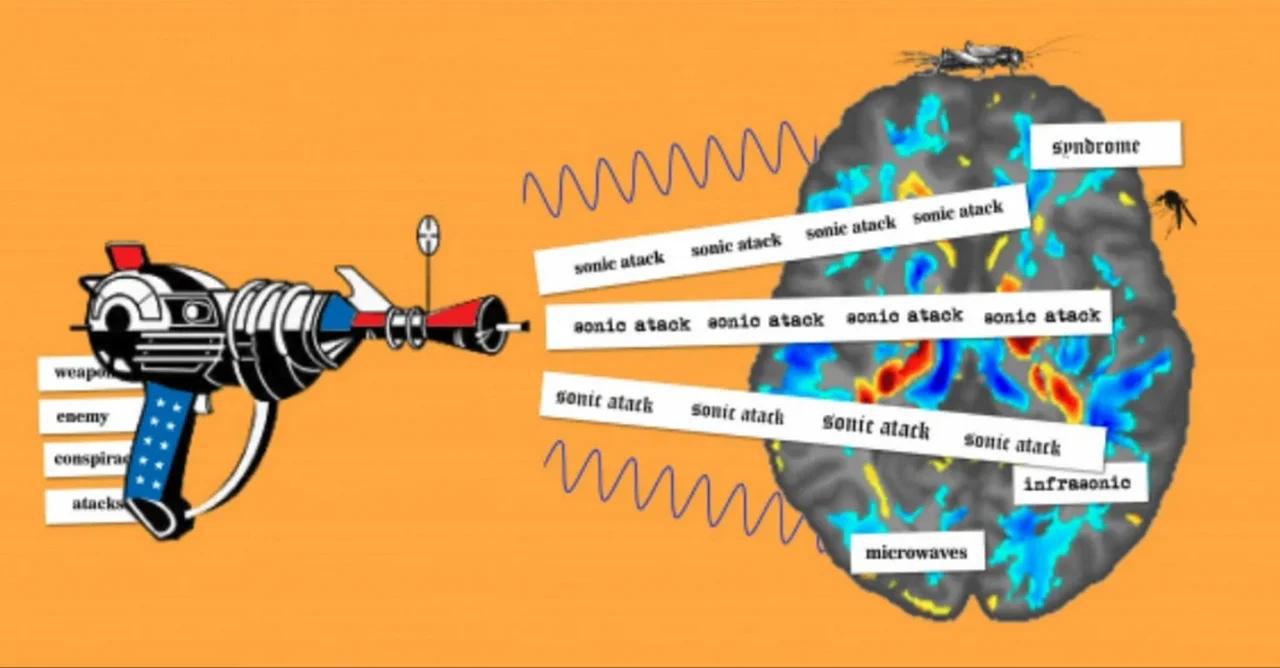
In August 2023, the National Academy of Sciences released a report acknowledging that the symptoms displayed by individuals classified under Havana Syndrome could be consistent with possible external factors like sonic or microwave energy. However, the report stopped short of confirming any deliberately harmful intent or technology behind the incidents, leaving much room for speculation.
Conclusion and Future Outlook
The ongoing mystery of Havana Syndrome highlights the challenges faced by health officials and lawmakers in addressing and understanding health phenomena that arise in the context of foreign service. Its implications extend beyond medical concerns, raising issues about the safety of U.S. personnel overseas and the need for proper support mechanisms. As investigations continue and more data is gathered, it remains crucial for affected individuals to receive medical attention and support. Furthermore, further research is needed to clarify the causes and to strategize preventive measures for future incidents. The significance of Havana Syndrome continues to unfold as new cases emerge and investigations progress.