The Importance of Ramadan
Ramadan is the ninth month of the Islamic lunar calendar, observed by millions of Muslims globally as a month of fasting, prayer, reflection, and community. Its significance lies not only in the personal spiritual development it encourages but also in the way it fosters a sense of solidarity among the Muslim community, known as Ummah. This month serves as a reminder of the suffering of the less fortunate and encourages acts of charity and generosity.
Fasting and Spiritual Discipline
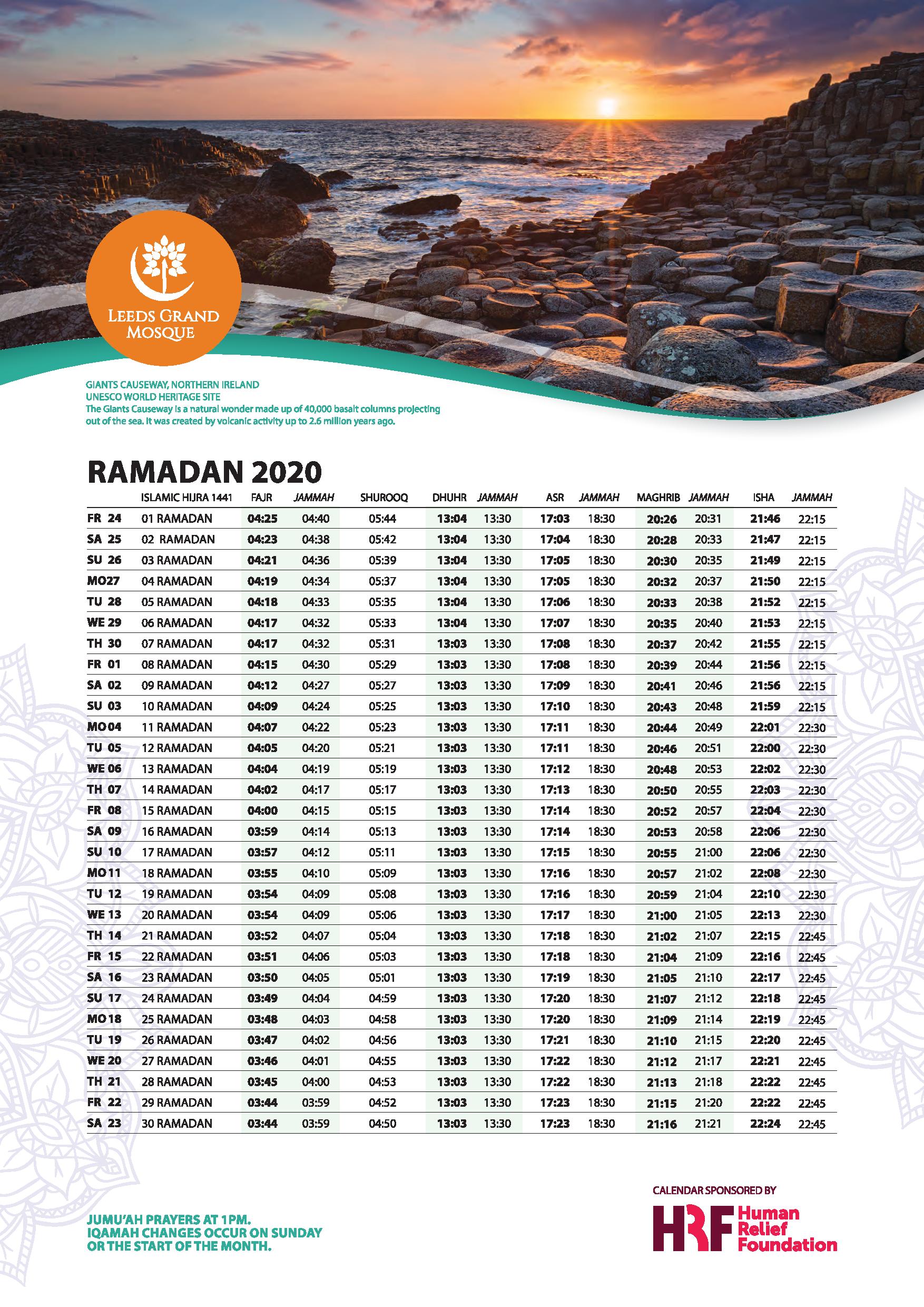
During Ramadan, adult Muslims fast from dawn until sunset, abstaining from food, drink, smoking, and marital relations. This fasting, known as ‘Sawm’, is one of the Five Pillars of Islam, which are fundamental acts of worship and the foundation of a Muslim’s faith. The pre-dawn meal is known as ‘Suhur’, while the meal to break the fast at sunset is called ‘Iftar’. Fasting during Ramadan is intended to teach self-discipline, self-control, and empathy for those who are less fortunate.
Cultural Practices and Community Involvement
Throughout Ramadan, communities come together for nightly prayers known as ‘Tarawih’, which are held at mosques, where extended readings of the Quran are recited. Many Muslims also engage in charitable giving, known as ‘Zakat’, which is particularly emphasized during this holy month. This charity goes beyond mere donations; it is about fostering a spirit of unity and assisting those in need, reinforcing the bond within the community.
Global Observance and Variations
Ramadan is observed in various ways across the globe. In regions such as the Middle East and North Africa, the atmosphere transforms greatly with festive decorations, communal meals, and increased religious observance. In contrast, in Western countries, Muslims may face challenges such as limited access to halal food options or the need to balance work and fasting. Nonetheless, the essence of Ramadan remains, as individuals strive to observe the fast and engage in community activities.
Conclusion: A Time for Reflection and Growth
As Ramadan approaches its conclusion with the celebration of Eid al-Fitr, the holiday marking the end of fasting, it leaves behind lasting impacts on the lives of individuals. This month is not only about abstaining from physical needs but is also an opportunity for spiritual cleansing, personal growth, and community building. With the continued global challenges and a need for compassion, the teachings of Ramadan remind us of the importance of empathy, charity, and connection with one another. As Muslims prepare for the next Ramadan, the hope persists for a peaceful and reflective month that continues to inspire generations.