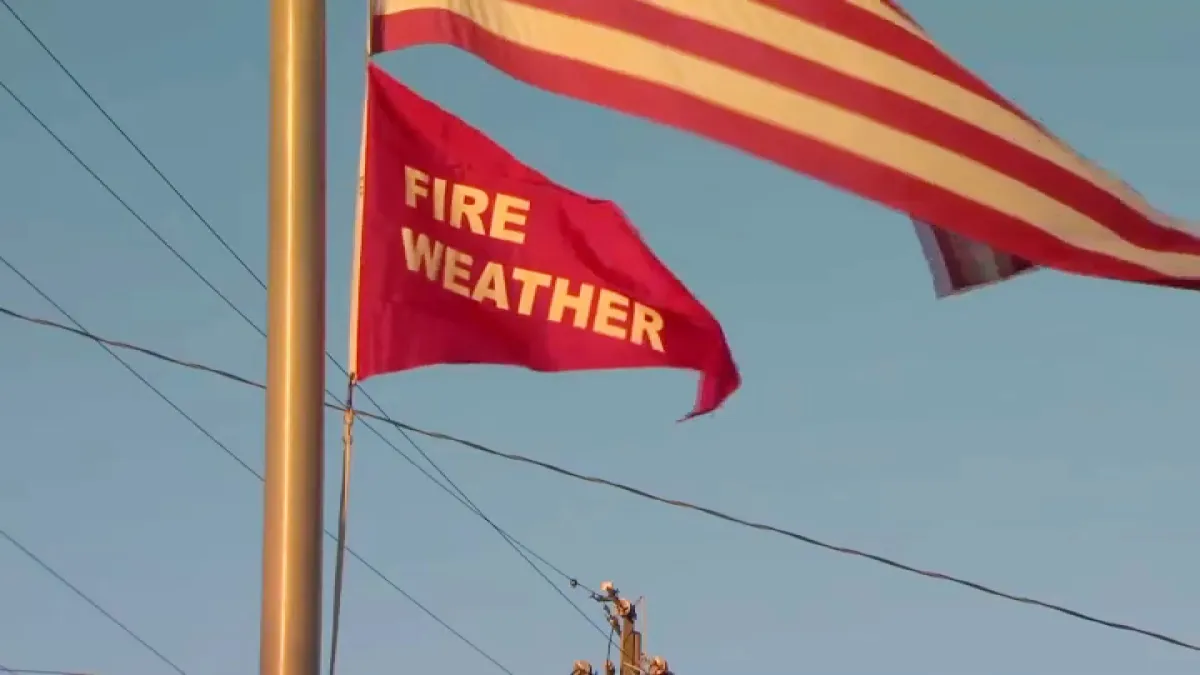
Introduction to Red Flag Fire Weather Warnings
As wildfires continue to pose significant threats across various regions in the United States, understanding the significance of Red Flag Fire Weather Warnings has never been more relevant. These alerts indicate specific weather conditions that can promote the rapid spread of wildfires, providing essential information to both the public and firefighting agencies. Timely awareness of these warnings is vital for safeguarding lives, property, and natural resources.
What Constitutes a Red Flag Warning?
A Red Flag Fire Weather Warning is issued by the National Weather Service (NWS) to alert communities of favorable conditions for wildfire outbreaks. The criteria typically include low humidity levels, high temperatures, strong winds, and dry vegetation. For example, a recent warning in California highlighted conditions where humidity dropped to below 15% while gusty winds were expected to exceed 20 miles per hour, creating a precarious risk for wildfires.
Recent Events and Trends
In early October 2023, the NWS issued multiple Red Flag Warnings across the western United States due to a combination of strong winds and dry air. Reports from California showed that local fire agencies were on high alert, mobilizing resources and prepping for possible evacuations. These warnings not only impact local residents but also affect air quality, travel advisories, and agricultural practices in the impacted regions. The Pacific Northwest, known for its typically moist climate, also has seen an uptick in these warnings, reflecting a concerning trend of increased wildfire frequency.
Preparedness and Response
Preparation is key during a Red Flag Fire Weather Warning. Local authorities often advise residents to create defensible spaces around their homes, keep emergency kits ready, and to stay informed through local media. The warning systems allow firefighters to be on heightened alert, ensuring they are prepared to respond quickly should a fire outbreak occur. Community education programs around these warnings are vital in mitigating risks associated with wildfires.
Conclusion: Significance and Future Outlook
As climate patterns continue to shift, the occurrence of Red Flag Fire Weather Warnings is expected to remain significant. Staying informed and taking action during these warnings is crucial for minimizing fire risks. As 2023 moves forward, agencies are urging communities to recognize these warnings seriously and prepare accordingly. Increased public awareness and proactive measures can markedly reduce the devastating effects of wildfires in vulnerable areas.