Introduction
Dense fog advisories are critical announcements issued by meteorological agencies to alert the public about low visibility conditions. These advisories are essential for ensuring safety on the roads and during outdoor activities, particularly for drivers, pilots, and maritime operators. As the weather becomes increasingly unpredictable due to climate change, understanding the implications of dense fog advisories can help individuals take necessary precautions.
Current Weather Conditions and Advisory Activation
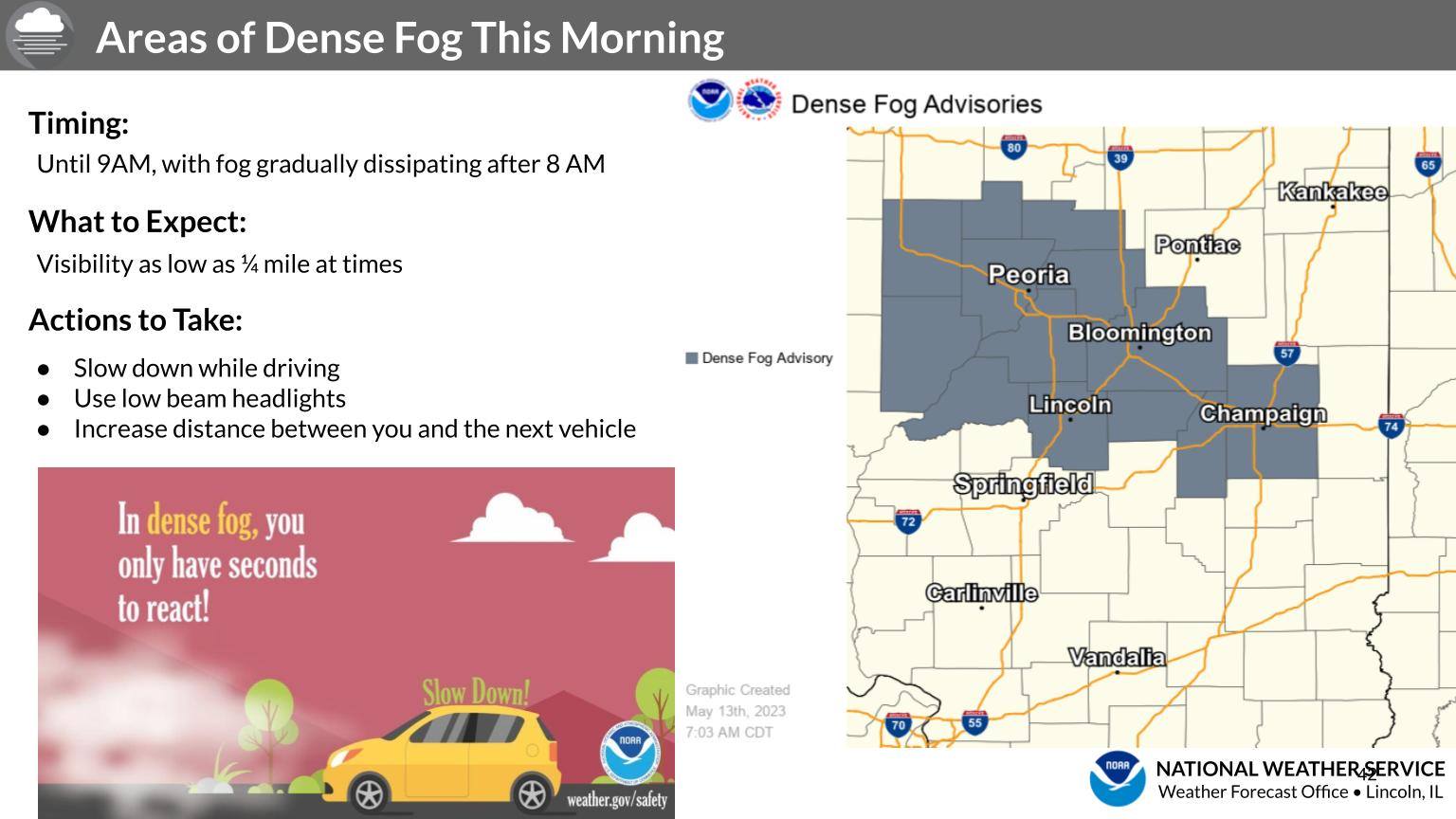
As of this week, various regions across the United States, particularly in the Midwest and Northeast, are under dense fog advisories. The National Weather Service (NWS) reported that visibility in some areas has dropped below a quarter-mile, significantly increasing the risks of accidents. These advisories are typically activated when meteorologists observe conditions conducive to dense fog formation, such as high humidity and low temperatures.
Impacts of Dense Fog
Driving in dense fog can be perilous. According to the Federal Highway Administration, over 38,000 crashes per year are attributed to foggy conditions. The reduced visibility can lead to rear-end collisions, accidents at intersections, and even pedestrian injuries. In response to these risks, the NWS recommends that drivers avoid abrupt maneuvers, use fog lights when available, and maintain a safe following distance.
Public Reactions and Preparations
Local authorities are urging residents to heed the advisories and limit travel during peak fog hours, typically early mornings and late evenings. Schools and businesses are adapting to conditions; some have altered start times or are offering remote options to mitigate travel hazards. Community leaders stress that public awareness and individual precautions can collectively enhance safety during these weather events.
Conclusion and Future Outlook
As dense fog advisories continue to be a common occurrence in various parts of the country, it is crucial for people to remain vigilant and informed. With climate patterns causing changes in weather conditions, the frequency and intensity of fog may increase in the coming years. Regularly checking weather updates and understanding the significance of these advisories can help the public navigate safely through challenging weather conditions. The importance of awareness and preparedness cannot be overstated in ensuring the safety and well-being of all.