Introduction
Windsor, a town located in the heart of England, holds a prominent place in the narratives of history and culture. Known worldwide for its stunning castle, Windsor Castle, the town is not only a tourist hotspot but also a vibrant community that reflects the heritage of centuries. Understanding Windsor’s significance is essential, especially as it continues to evolve through contemporary events, making it a relevant subject for both travelers and history enthusiasts alike.
Historical Background
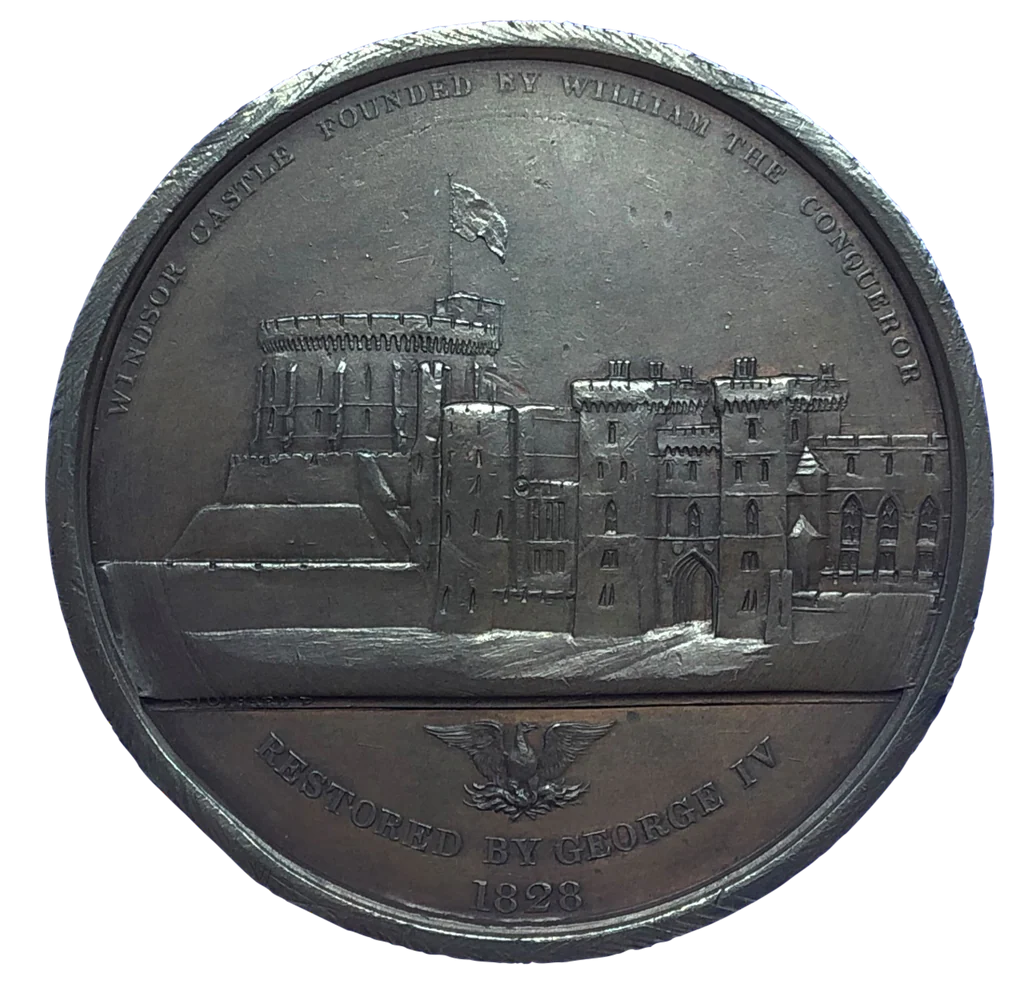
Windsor has roots dating back to the 11th century when William the Conqueror established Windsor Castle as a fortress. Over time, it became a symbol of royal authority and resilience. The town has served as a backdrop for significant events, including royal ceremonies and state occasions. Recently, Windsor has seen a surge in interest, especially following high-profile royal weddings that have attracted global attention.
The Cultural Significance of Windsor
In addition to its historical background, Windsor is a cultural focal point. The town hosts various events throughout the year, including the Windsor Festival, showcasing local and international talent in music, arts, and literature. Additionally, the River Thames runs through Windsor, offering picturesque views and opportunities for leisure activities. This blend of culture, history, and natural beauty makes Windsor a desirable destination for both visitors and residents.
Recent Developments
In recent months, Windsor has been undergoing significant developments aimed at enhancing its community and visitor experiences. Local authorities have initiated plans to improve public transport and pedestrian pathways, making it more accessible. There are also discussions about revitalizing public spaces to encourage community engagement and tourism. These developments signify Windsor’s commitment to preserving its heritage while adapting to the needs of modern society.
Conclusion
Windsor stands as an exemplary representation of England’s rich tapestry of history and culture. It reminds us of the importance of preserving historical landmarks while embracing modern advancements. As Windsor continues to grow and evolve, it remains a key player in the cultural landscape of great Britain and an important destination for those looking to explore the blend of old and new. The promise of further developments heralds a bright future for Windsor, both as a royal town and as a residential area that values its past while looking forward to exciting possibilities.