Introduction
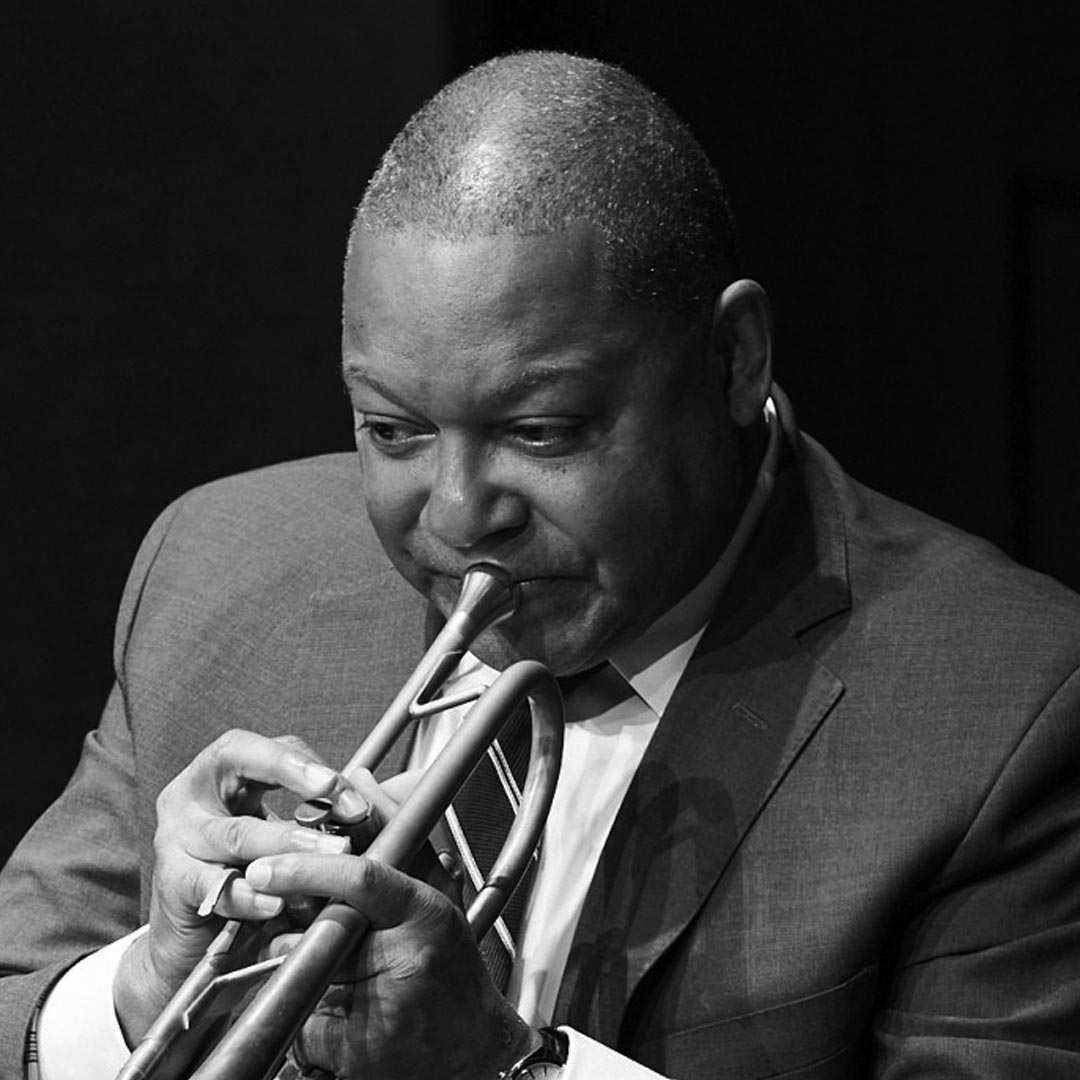
Wynton Marsalis, a renowned trumpeter, composer, teacher, and bandleader, is a towering figure in the jazz world. His influence extends beyond music, as he plays a crucial role in the preservation and promotion of jazz as an art form. In a time when musical tastes are rapidly shifting, understanding Marsalis’s contributions becomes increasingly important for appreciating the heritage and evolution of jazz.
The Rise of Wynton Marsalis
Born on October 18, 1961, in New Orleans, Louisiana, Marsalis was steeped in a rich musical environment from an early age. He is a descendant of a family of musicians who have significantly contributed to the cultural tapestry of jazz. By the time he was a teenager, Marsalis was already performing with jazz legends such as Art Blakey and Herbie Hancock. His extensive training, both in jazz and classical music, allows him to straddle both genres with remarkable prowess.
Achievements and Recognition
Over the years, Marsalis has been the recipient of numerous awards, including nine Grammy Awards and the prestigious Pulitzer Prize for Music in 1997, a testament to his exceptional talent and contributions. He is also the artistic director at Jazz at Lincoln Center, where he has helped create a platform for jazz education and performance. His initiatives include the annual Essentially Ellington high school jazz band competition, which is designed to inspire the next generation of musicians and keep jazz alive.
Current Ventures and Significance
Recently, Marsalis has been involved in several projects that highlight jazz’s relevance in contemporary society. He is actively participating in discussions around music education, race, and community, emphasizing jazz’s role as a means of storytelling and social commentary. Additionally, his collaborations with diverse musicians across genres have reinforced the notion that jazz continues to evolve while remaining deeply rooted in its traditions.
Conclusion
Wynton Marsalis’s journey through the world of jazz is a reflection of not just his talent, but also his dedication to education and cultural preservation. As he continues to innovate while respecting the roots of jazz, his significance cannot be overstated. For music enthusiasts and younger generations alike, Marsalis stands as a beacon of excellence and a reminder of jazz’s enduring power and relevance in today’s musical landscape.