Introduction
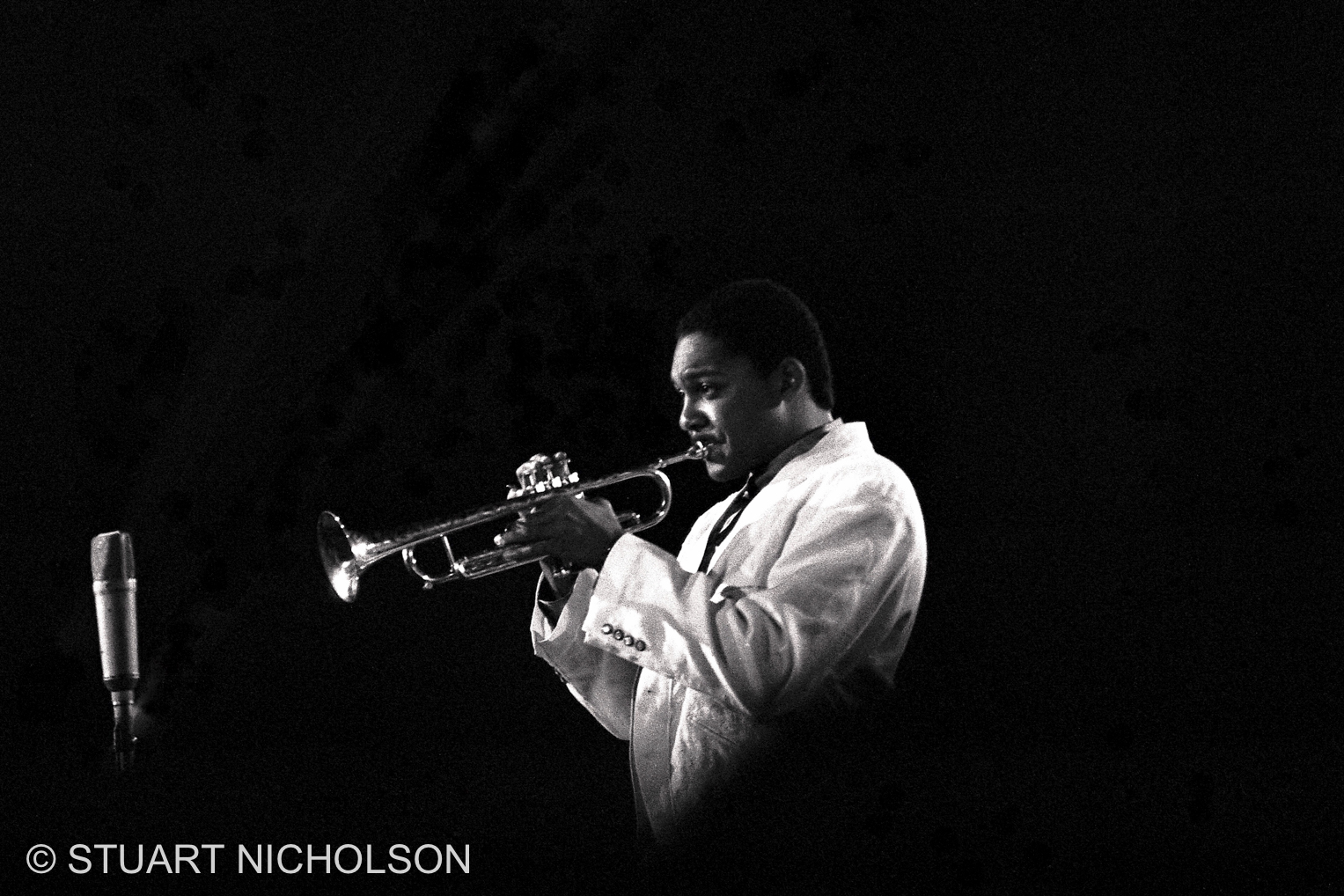
Wynton Marsalis is more than just a musician; he is a cultural force in the world of jazz and classical music. Renowned for his virtuosic trumpet playing and his deep commitment to the preservation and innovation of jazz, Marsalis has shaped the genre and influenced countless musicians. As we witness the evolving landscape of jazz in the 21st century, Marsalis’s contributions remain highly relevant and significant.
Career Highlights
Born on October 18, 1961, in New Orleans, Louisiana, Wynton Marsalis showed prodigious talent from a young age. He studied at the Juilliard School and quickly made his mark as a leading jazz trumpeter. His debut album, released in 1982, showcased his ability to blend traditional jazz with contemporary influences. Over the years, Marsalis has won numerous awards, including nine Grammy Awards and a Pulitzer Prize for Music in 1997 for his oratorio, “Blood on the Fields.”
In addition to his performance career, Marsalis is the Artistic Director of Jazz at Lincoln Center, where he has made it a mission to educate the public about the history and artistry of jazz. His passion for music education has led to various outreach programs aimed at engaging young musicians and fostering a love for jazz.
Recent Activities and Significance
Recently, Wynton Marsalis has been on a national tour, bringing his acclaimed artistry to audiences across the United States. His performances highlight both classic jazz standards and original compositions, underscoring the genre’s dynamism and versatility. In 2023, Marsalis also participated in several public discussions and workshops, further emphasizing the importance of music as a tool for cultural dialogue and understanding.
In light of the challenges faced by artists during the pandemic, Marsalis’s resilience and dedication to jazz serve as a beacon for fellow musicians. He has often spoken about the importance of community in music, emphasizing how jazz reflects and adapts to societal changes.
Conclusion
Wynton Marsalis is not only a gifted musician but also a vital educator and advocate for jazz. His ongoing commitment to the genre and its community ensures that jazz will continue to thrive. As audiences connect with his music, Marsalis reinforces the notion that jazz is not just a genre, but a powerful means of expression and unity. Looking ahead, we can anticipate more innovative collaborations and projects that will illuminate the evolution of jazz and its place in modern culture.