What is the current situation in Cuba?
Cuba is currently facing a severe economic crisis, raising questions about the future stability of the island nation. The crisis has been exacerbated by fuel shortages and the ongoing impact of US sanctions, which have restricted trade, finance, and energy supplies. As the Cuban government struggles to manage these challenges, the situation has drawn international attention, particularly from US political figures.
What led to this moment?
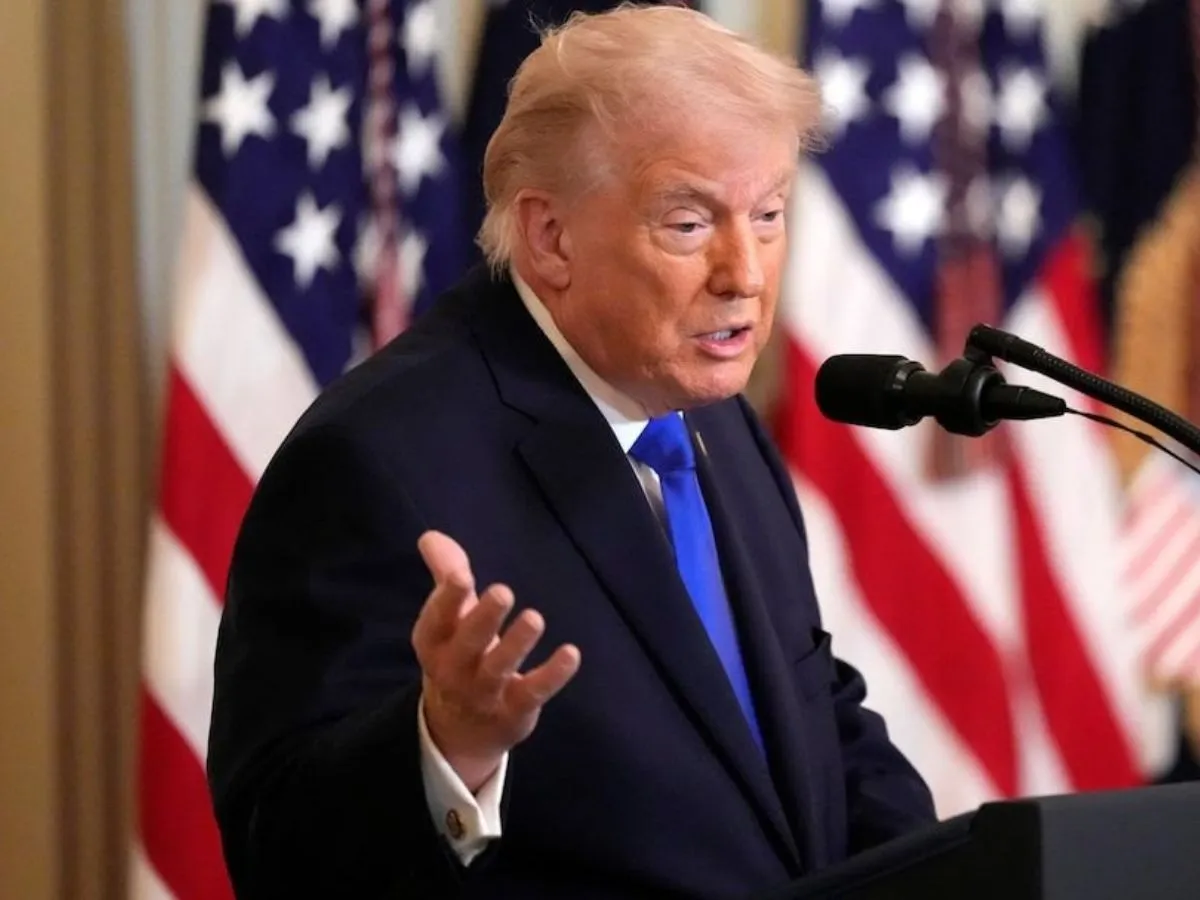
The roots of the current crisis can be traced back to decades of tense relations between the US and Cuba, characterized by political differences that have led to severe restrictions imposed by the US. Recently, former President Donald Trump suggested that the US may turn its attention to Cuba after resolving the conflict with Iran, indicating a potential shift in US foreign policy. Trump praised Senator Marco Rubio for his efforts regarding Cuba, stating, “Rubio has been doing a fantastic job on a place called Cuba.” This political backdrop adds another layer of complexity to the ongoing economic struggles faced by the Cuban government.
What are the key facts surrounding the crisis?
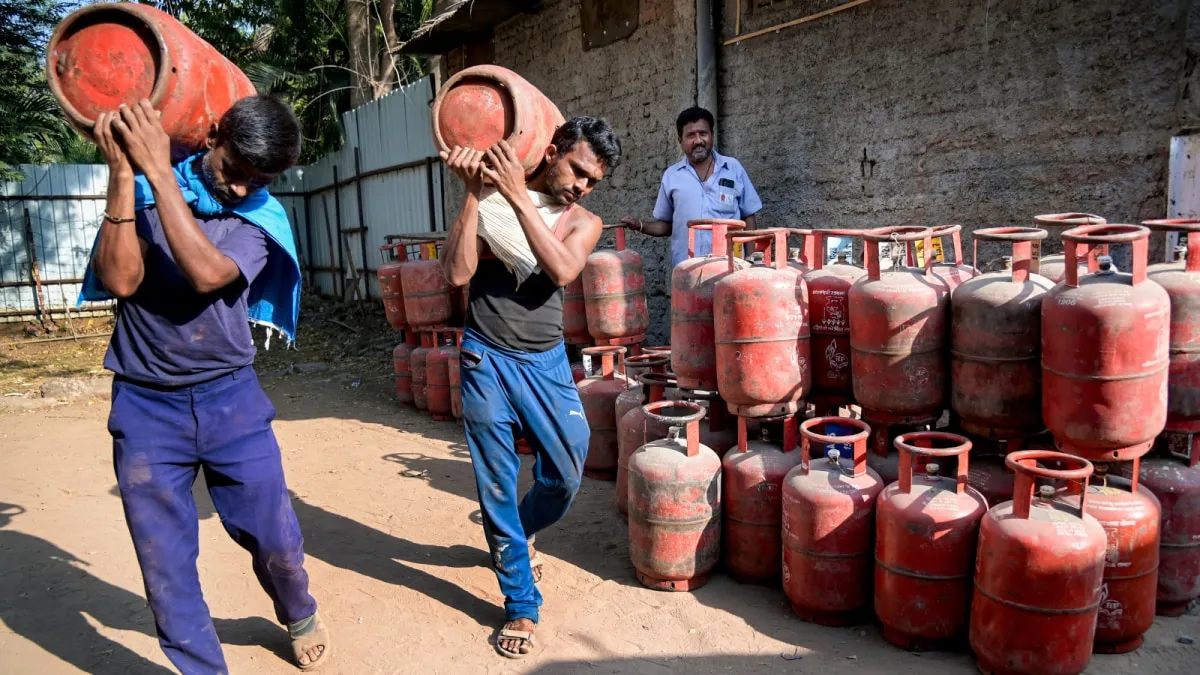
The Cuban economy has contracted by 15 percent over the past five years, a significant decline that has left many citizens struggling. The situation worsened when Cuban authorities announced that the island’s jet fuel supplies had run dry on February 8, leading to a rise in private taxi fares due to the fuel shortage. Reports indicate that petrol is now selling for $8 per liter on the black market, a staggering increase that reflects the dire circumstances. Additionally, the US Department of the Treasury has announced it will allow the resale of some Venezuelan oil to Cuba for commercial and humanitarian use, although the effectiveness of this announcement remains unclear.
How are citizens affected?
The impact of the economic crisis is being felt acutely by the Cuban population. Citizens are facing severe shortages of essential services, with reports of no electricity, water, or gas in some areas. Alejandro Candelaria, a resident, expressed the psychological toll of the situation, stating, “There is no electricity, no water, no gas. It takes a toll on you psychologically.” Furthermore, Cuban students were ordered to leave their universities as part of the government’s contingency plan amid the crisis, highlighting the widespread disruption to daily life.
What is the outlook for Cuba?
Experts predict that this year will likely be one of the toughest for the Cuban economy since the revolution. Daniel Torralbas, an economist, noted, “This year will probably be one of the toughest for the Cuban economy since the revolution.” As the government grapples with these challenges, the long-term impact of the current economic crisis on Cuba’s stability and political landscape remains uncertain. Details remain unconfirmed regarding how effectively the US’s recent policy changes will alleviate the situation.
What comes next?
As the situation in Cuba continues to evolve, the international community is watching closely. The potential for US policy shifts and the ongoing economic crisis will likely shape the future of Cuba in the coming months. With the Cuban government facing mounting pressure from both internal and external sources, the path forward remains fraught with challenges.