Shifting Landscapes
“Took the 47km route instead of 23km to avoid traffic in Bengaluru,” shared Shravika Jain, reflecting the daily struggles of commuters in the bustling city. This quote highlights the ongoing traffic congestion that has prompted residents to seek alternative routes, often leading to longer journeys.
As Jain noted, “Looks like the short route has no toll hence a lot of people trying to avoid toll using it and clogging.” This situation underscores the complexities of urban navigation in Bengaluru, where traffic patterns can change rapidly, impacting travel times significantly.
Global Oil Dynamics
Meanwhile, the global oil map is being redrawn due to geopolitical tensions, particularly the ongoing conflict in the Middle East. The war has made traditional Gulf routes treacherous for shipping, leading to a significant increase in the volume of Russian crude oil being transported to Indian ports.
Currently, between 15 to 20 million barrels of Russian Urals and Sokol grade crude are sitting on tankers in the Indian Ocean and South China Sea. This influx is largely due to Indian refiners optimizing their plants to process heavier Russian grades, which are now trading at a $15–$20 discount per barrel compared to Brent prices.
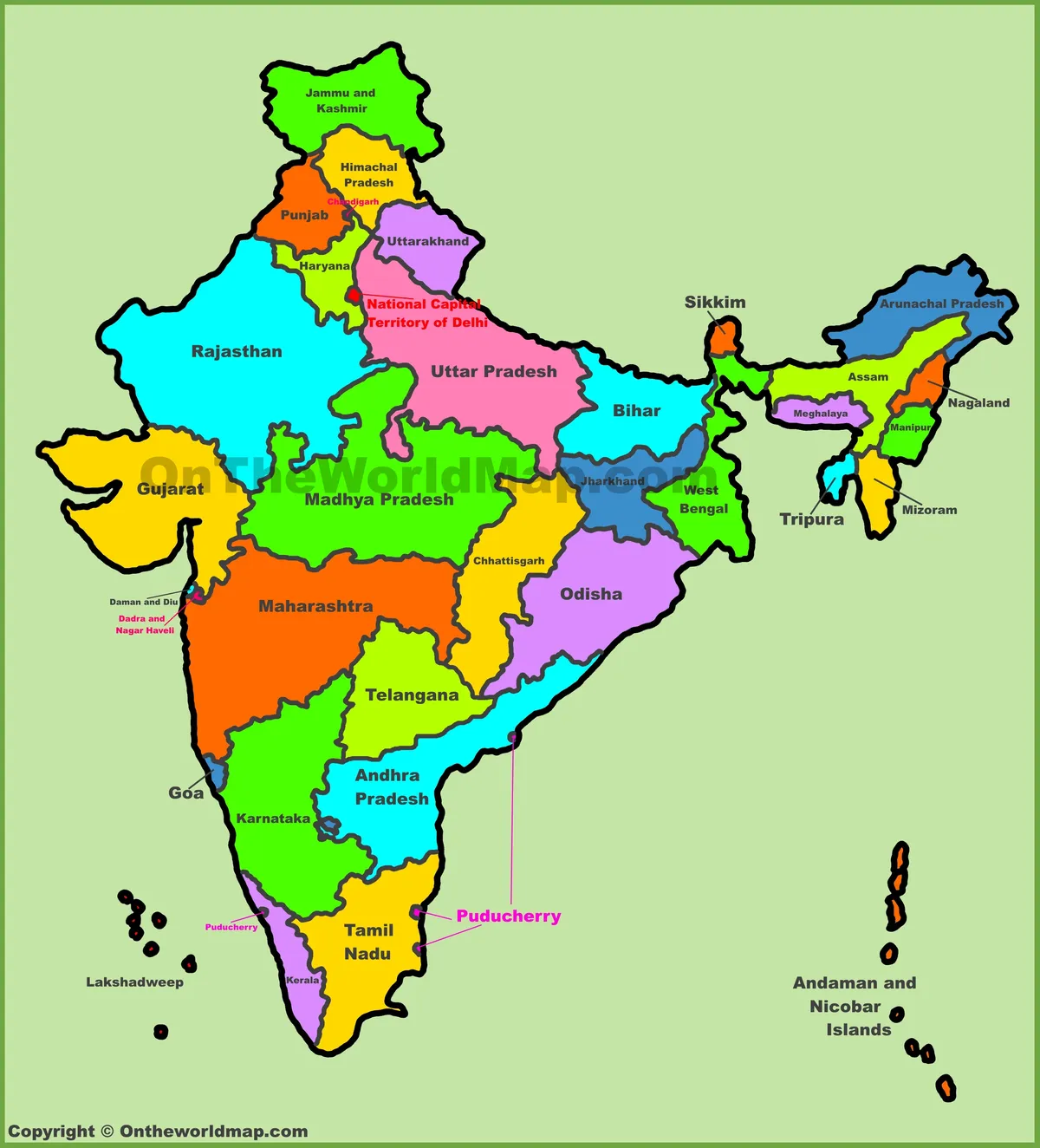
Indian ports have become a primary destination for this Russian oil, as logistical challenges in offloading have made other routes less viable. The changing dynamics of global oil trade are reshaping the India map, highlighting the country’s strategic importance in the energy market.
Assistive Technology in Geography
In a different context, advancements in assistive technology are also influencing how individuals interact with geographical information. The ‘Phonic Labeller’ device has been introduced to help blind students identify locations on maps, allowing them to explore geographical maps independently.
These developments reflect a growing awareness of the need for inclusivity in education, ensuring that visually impaired students have the tools necessary to navigate their environments effectively.
Looking Ahead
As the India map continues to evolve, both in terms of urban traffic and global oil trade, residents and policymakers alike will need to adapt to these changes. The intersection of local and global dynamics will play a crucial role in shaping the future of navigation and resource management in India.
Details remain unconfirmed regarding the long-term implications of these shifts, but the current landscape suggests a period of significant transformation ahead.