Historical Context of Women’s Day
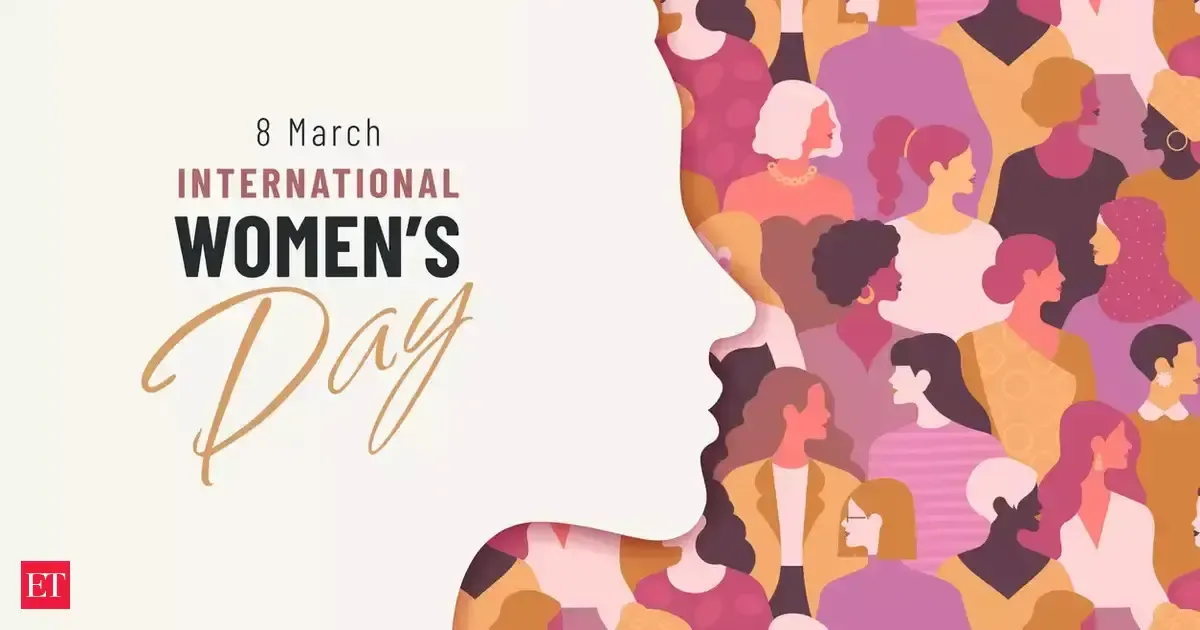
International Women’s Day, observed on March 8, has its roots in the labor movements of North America and Europe during the early twentieth century. Officially recognized by the United Nations in 1977, this day serves as a global platform to celebrate women’s achievements while also addressing the ongoing struggle for gender equality. Over the years, the focus has shifted from merely acknowledging women’s contributions to actively advocating for their rights and justice.
Shifts in Expectations for 2026
As we approach International Women’s Day in 2026, the theme has evolved to “Rights. Justice. Action For ALL Women and Girls.” This marks a significant shift from previous years, emphasizing not just recognition but also the need for actionable change. The global campaign theme for 2026, “Give to Gain,” further underscores the importance of investing in women’s rights as a pathway to broader societal benefits.
Decisive Changes in India
India’s development approach has notably transformed, recognizing women as pivotal drivers of economic and social progress. The Constitution of India guarantees equality and universal adult franchise for women, which has laid the groundwork for various initiatives aimed at empowering women. For instance, as of January 2026, over ₹20,060 crore has been transferred to 4.26 crore beneficiaries under the Pradhan Mantri Matru Vandana Yojana, a program designed to support women during pregnancy and childbirth.
Impact on Women’s Education and Employment
The educational landscape for women has also seen remarkable improvements. Women constituted over 53% of UGC NET-JRF scholars in STEM subjects in the fiscal year 2024-25, reflecting a growing recognition of women’s capabilities in traditionally male-dominated fields. Moreover, the Female Gross Enrolment Ratio (GER) for women aged 18–23 rose from 22.9% in 2014-15 to 30.2% in 2022-23, indicating a positive trend towards educational equity.
Legislative and Social Advances
Legislation has played a crucial role in advancing women’s rights in India. The Sexual Harassment of Women at Workplace (Prevention, Prohibition and Redressal) Act, enacted in 2013, aims to create safer work environments for women. Additionally, nearly half of all elected representatives in Panchayati Raj Institutions are women, showcasing a significant shift towards gender representation in governance.
Health and Safety Improvements
Health indicators have also improved, with the Maternal Mortality Ratio decreasing from 130 in 2014-16 to 88 in 2021-23. This progress is a testament to the ongoing efforts to enhance women’s health services and maternal care. Furthermore, as of January 2026, a total of 2,153 child marriages have been prevented in India, reflecting a concerted effort to protect young girls from early marriage.
Looking Ahead
As International Women’s Day 2026 approaches, the focus on women’s rights and gender equality is more critical than ever. With the construction of over 12 crore toilets under the Swachh Bharat Mission and 81.57% rural tap water coverage as of January 2026, the infrastructure improvements also contribute to women’s health and safety. The collective efforts of various stakeholders, including the government, NGOs, and civil society, are essential in sustaining this momentum towards achieving gender equality.