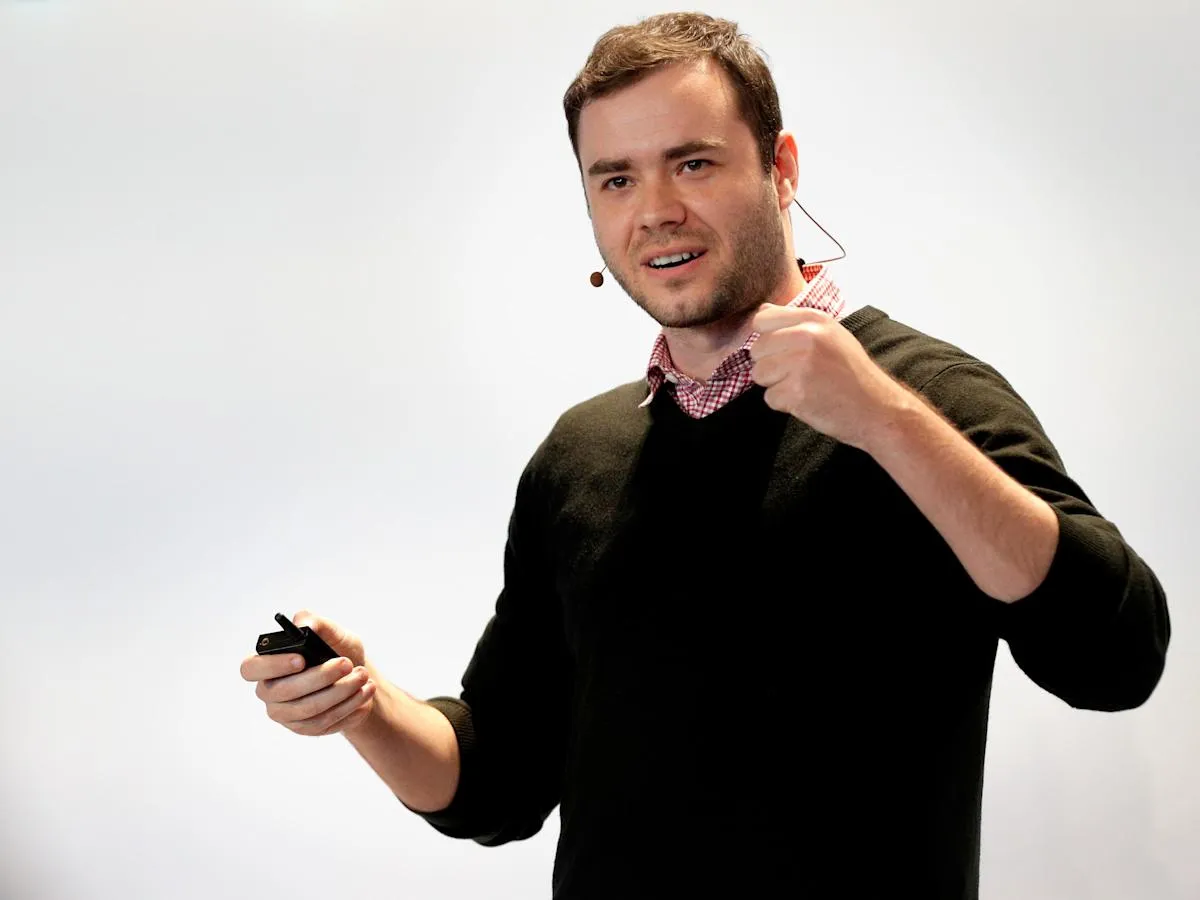
How is Andrej Karpathy influencing AI in software engineering?
Andrej Karpathy, a prominent figure in the field of artificial intelligence, has been pivotal in the evolution of AI-assisted programming. His recent statements and coding practices highlight a significant shift in how software engineering is approached today. Karpathy has indicated that his coding style has transitioned to a model where 80% of his work is done by AI agents, with only 20% being manual coding. This change raises questions about the future of software development and the role of human programmers.
The Rise of AI-Assisted Programming
According to the 2025 Developer Survey conducted by Stack Overflow, 84% of developers are either using or planning to use AI-assisted programming tools. This statistic underscores the growing acceptance and integration of AI in the software development process. However, there is a notable skepticism among developers, with 46% expressing doubts about the accuracy of AI tools. Only 33% reported feeling confident in the results produced by these technologies, indicating a complex relationship between developers and AI.
Karpathy’s Contributions and Insights
Karpathy’s influence extends beyond his coding practices; he is also known for coining the term “vibe coding,” which refers to the practice of using AI to assist in coding tasks. He has remarked, “I really am mostly programming in English now, a bit sheepishly telling the LLM what code to write… in words.” This statement encapsulates the evolving nature of programming, where natural language processing plays a crucial role in code generation.
The Impact of AI on Developer Skills
As AI tools become more prevalent, there are concerns about the implications for developers’ skills. Karpathy himself has noted, “I’ve already noticed that I am slowly starting to atrophy my ability to write code manually.” This sentiment reflects a broader trend where reliance on AI could diminish traditional coding skills among developers. The emergence of AI-written code challenges the conventional understanding of programming and raises questions about the future skill sets required in the industry.
Innovations in AI Coding Tools
One notable project in the AI coding landscape is the NanoClaw project, launched by Gavriel Cohen in early February 2026. This initiative has gained significant traction, amassing over 18,000 stars on GitHub. Following the rise of a fraudulent site, nanoclaw.net, a legitimate site, nanoclaw.dev, was developed to provide a reliable resource for users. Karpathy has praised the architectural design of the NanoClaw project, further emphasizing the importance of innovative solutions in the AI coding space.
AI’s Role in Code Generation
The Claude Code team at Anthropic has reported that 100% of their code is generated by their AI system, Claude Code. This statistic illustrates the extent to which AI can now autonomously handle coding tasks, raising questions about the future roles of human engineers. Boris Cherny, a member of the Claude Code team, stated, “Pretty much 100% of our code is written by Claude Code,” highlighting the transformative impact of AI on software development practices.
Looking Ahead
As the software engineering landscape continues to evolve with AI, the implications for developers and the industry at large remain to be fully understood. While many embrace the efficiencies brought by AI tools, the skepticism surrounding their accuracy and the potential erosion of manual coding skills present challenges that need to be addressed. The ongoing developments in AI-assisted programming will likely shape the future of software engineering, making it essential for developers to adapt and evolve alongside these technologies.