Nifty Expected to Open Lower
“A sustained break below this support could extend the decline toward 24,300-24,200, which has previously acted as a demand zone,” stated Ponmudi R, highlighting the critical levels for the Nifty index as it approaches a challenging week.
The Nifty is anticipated to open with a gap-down on March 9, 2026, as market sentiment remains fragile. The GIFT Nifty was trading about 274 points lower at 24,300, indicating a bearish outlook.
Last week, the Nifty 50 closed at 24,450, reflecting a significant fall of 2.9%. Similarly, the Sensex settled at 78,919, also down 2.9%, while the Bank Nifty dropped 4.5% to close near 57,783.
Market dynamics have been influenced by foreign institutional investors (FIIs) selling equities worth Rs 21,831 crore during the first week of March, contrasted by domestic institutional investors (DIIs) who bought equities worth Rs 32,787 crore in the same period.
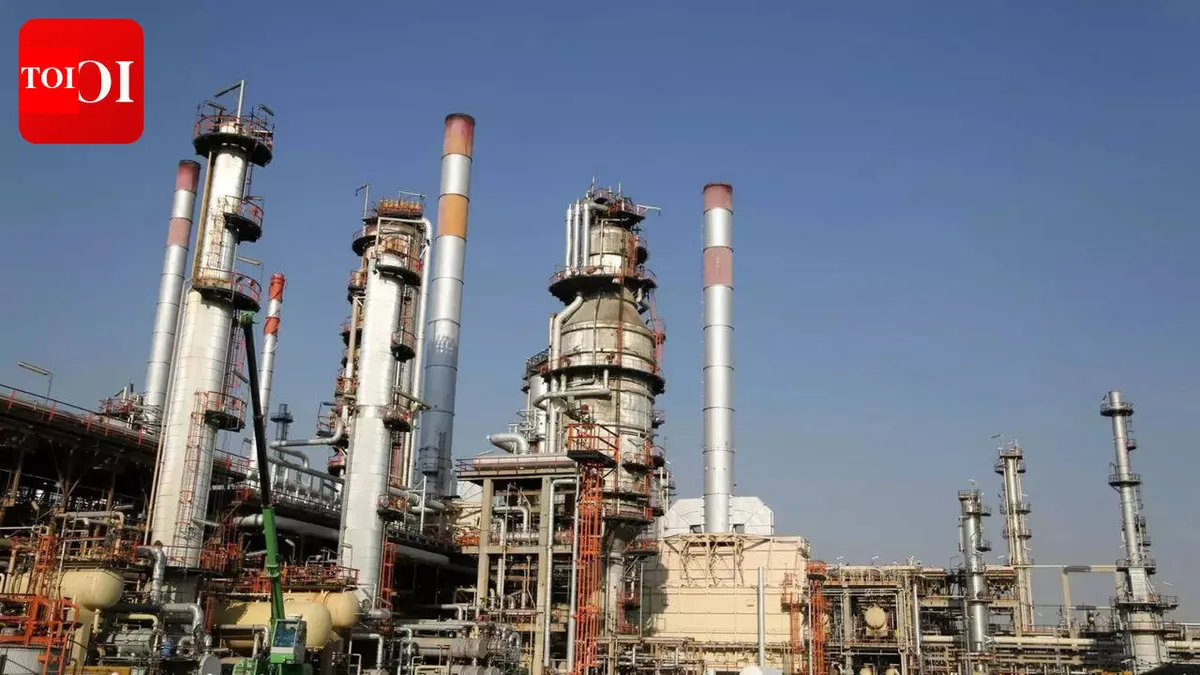
Compounding these challenges, crude oil prices surged nearly 25% during the week, raising concerns about inflation and the overall economic outlook. Vinod Nair commented, “A sustained rise in crude prices could weigh on investor sentiment and adversely affect India’s twin deficits, inflation trajectory and the RBI’s monetary stance.”
As the Nifty approaches the crucial support level of 24,300, analysts are closely monitoring the market’s response. Immediate resistance is seen around 24,700-24,900, while further declines could see the index testing 24,000 or even 23,500, which are regarded as strong long-term supports.
Ajit Mishra advised that, “Given the heightened geopolitical risks and continued FII outflows, investors should adopt a cautious and disciplined approach in the near term.” This sentiment reflects the broader uncertainty in the market.
As the trading week begins, the focus will be on whether the Nifty can maintain its footing above the critical support level or if it will succumb to further selling pressure.
Details remain unconfirmed regarding the potential impacts of ongoing geopolitical tensions on market stability.